Construction is dangerous work.
Deadly work, even.
Nearly 1 in 5 worker deaths every year in the United States alone occur on construction sites. Nothing else comes close.
But there’s good news, too…
When it comes to construction accidents, most are preventable. Knowing the causes, consequences, and legal protection for construction workers can make all the difference to workers, employers, and families everywhere.
For anyone injured on the job, knowing what to do after a construction accident in NYC is one of the most important steps to take to protect rights and recovery.
What you’ll find out:
- Why Construction Sites Are So Dangerous
- The Fatal Four Construction Accident Causes
- The Very Real Consequences of Construction Accidents
- Important Legal Protection for Construction Workers
- How OSHA Helps Construction Workers Stay Safe
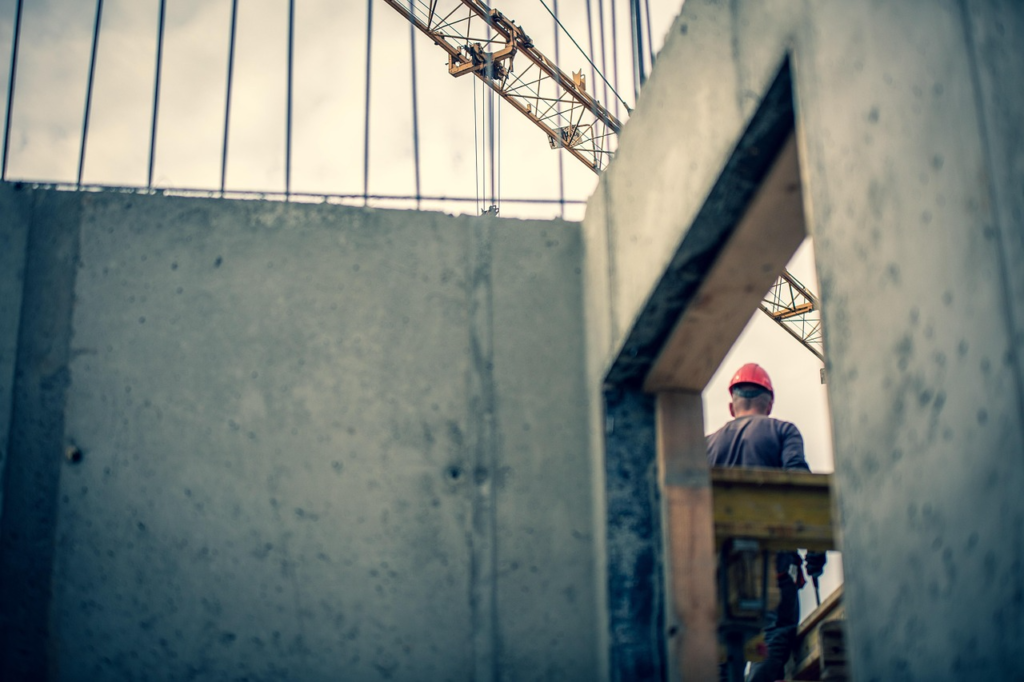
Why Construction Sites Are So Dangerous
The construction industry isn’t dangerous because of a few isolated risks. It’s dangerous because there are hazards at every turn.
Heavy machinery, elevated work spaces, power tools, open flames… you name it. If it can cause harm to construction workers who aren’t careful, there’s a good chance it’s on a job site.
Construction workers are killed on the job at a rate that’s nearly 3x higher than all other industries combined. Smaller companies are particularly risky — accounting for over half of construction fatalities — but death and serious injury happen on jobs big and small.
Add to that human error. Safety shortcuts. Pressure from employers. Whatever the cause, there are a lot of ways for construction sites to pose serious threats to worker safety… and they do, every day.
People don’t always tell the truth about workplace injuries, either. Over one-quarter of workers admit to personally not reporting a work-related injury. Think about how that statistic affects construction sites across the country.
The “Fatal Four” — Most Common Construction Accident Causes
The Occupational Safety and Health Administration — aka OSHA — tracks the leading causes of fatalities on construction sites every year. There are a handful, but most accidents fall into four categories OSHA refers to as “The Fatal Four.”
They are:
- Falls. When thinking about accidents on construction sites, this should be at the top of the list. Falls (including slips and trips) accounted for 39.2% of construction fatalities in 2023, OSHA’s latest reporting year.
- Struck-by incidents. Construction workers can also get hit by the wrong thing at the wrong time. According to OSHA, 75% of struck-by fatalities involved vehicles or heavy equipment on the job site or nearby.
- Electrocutions. From unguarded power lines to faulty circuitry, electrocutions are responsible for a significant percentage of preventable deaths every year. The construction industry accounts for close to half of fatal electrical injuries across all industries.
- Caught-in/between incidents. Workers can get crushed by equipment, walls, trenches, and more when proper safety protocols aren’t followed.
Falls kill more workers than all other causes, by a mile. But each of these accidents can be prevented with proper safety protocols in place.
That’s what’s so frightening about construction accident statistics. There is existing knowledge on how to stop most fatalities before they happen. And in many cases it works. When construction workers get killed on the job, it’s often because safety standards weren’t followed.
The Real-Life Consequences of Construction Accidents
There are consequences to construction accidents. For workers. For families. For employers.
Workers suffer serious injuries every day on construction sites, from burns to traumatic brain injuries. Broken bones. Respiratory problems. Lost limbs. Amputation. Permanent disability.
In the worst cases, workers don’t come home at all. The construction industry saw 1,075 fatal accidents in 2023, the highest recorded number in 12 years.
Families are left without their loved ones. With medical bills they can’t pay. With wages that suddenly cease. With a future they had planned for. And for injured workers who survive, the financial and physical hardships can last for years.
Employers face hefty fines when worksite accidents lead to investigations. Each workplace fatality costs employers an average of $1.39 million — yes, MILLION. That covers lost wages, medical expenses, administrative costs… and doesn’t even include lawsuits or impacts to employee morale.
When construction accidents happen, they hurt everyone involved.
Except, maybe, the person who was responsible for preventing them in the first place.
That’s why construction worker legal protection is so important. When workers are injured on the job through no fault of their own, they need to know their options for seeking fair compensation.
Legal Protection Every Construction Worker Should Know
Here’s something many workers don’t know…
Workers have rights.
Construction workers have rights.
Many workers have far more legal protection than they think.
Here’s what every worker should know about legal protection for construction workers in the United States:
- Workers’ Compensation — In most states, injured workers are entitled to receive workers’ comp benefits from their employer. This covers medical treatment costs and partial lost wages — regardless of who was at fault for the accident.
- Third-Party Claims — If someone other than the employer was negligent in some way (subcontractor, equipment manufacturer, property owner, etc.), a personal injury claim may be eligible against them in addition to receiving workers’ comp benefits.
- Labor Law Protections — Some states have even more powerful laws on the books. New York, for example, has laws specifically designed to protect construction workers through Labor Law 240 and 241.
- OSHA Whistleblower Rights — Every construction worker has the right to work in a safe environment. If reporting an unsafe condition leads to retaliation from an employer, that worker is legally protected under federal law.
There’s a lot to learn about rights as a construction worker. Things that many don’t know they’re entitled to.
If injured on the job, a knowledgeable attorney is the best resource for learning what protection is available and how to seek fair compensation.
How OSHA Helps Workers Stay Safe on the Job
OSHA stands for Occupational Safety and Health Administration.
They’re the federal agency tasked with regulating and enforcing workplace safety across the U.S.
OSHA fines range from $9,261 to $165,514 per violation. If an employer is cited for a willful violation of OSHA safety standards, they’re looking at serious consequences.
Want to know what OSHA cited most in 2023?
Fall protection.
6,928 violations were issued for lack of fall protection alone. That’s not a coincidence. Falls are number one. Employers know how to prevent them. Some just don’t act on it.
OSHA does more than just write citations. They offer free safety training programs for workers and companies who want them. They will inspect worksites for free, as well. OSHA even provides guidance for managing high-risk work conditions specifically related to construction work.
OSHA has the tools to keep workers safe. Employers just need to take safety seriously.
Wrapping Things Up
Safety starts with awareness. And there’s a lot to learn about construction accidents, consequences, and legal protection for construction workers.
Construction workers should take safety seriously and learn their rights on the job.
Construction company owners and job site managers should follow safety standards to a tee — and make sure employees know their rights, too.
Here are a few things covered in this article:
- Falls, struck-by incidents, electrocutions, and caught-in accidents are responsible for most fatalities on construction sites every year
- Construction accidents cause billions of dollars in costs every year — not to mention they ruin lives
- There are several levels of legal protection for construction workers in the U.S.
- OSHA is the federal organisation responsible for keeping workers safe — and they have plenty of power when they want to use it
- Knowledge is power. Knowing rights before an accident happens is just as important as following safety protocols to prevent them
Construction workers build the world around us.
It’s time to start building a safer environment for them, too.