Small errors in engineering projects can quickly escalate into costly delays, rework, and compromised outcomes. As construction becomes more complex and expectations around speed and precision increase, here’s why engineers are adopting advanced layout technologies to minimize risk and improve accuracy from the ground up.
Why Traditional Methods Fall Short
Traditional layout techniques, such as tape measures, string lines, and manual marking, have long been the foundation of construction work. While they can be effective for simple builds, they introduce several challenges on modern projects.
Human error is one of the biggest risks. Misreading measurements, incorrectly placing markers, or losing reference points can all lead to inaccuracies. On top of that, these methods often rely heavily on communication between team members, increasing the chances of misinterpretation.
Another limitation is delayed verification. Errors are not always identified immediately, meaning issues may only become visible once construction has progressed. At that point, fixing them can be time-consuming and expensive.
The Shift Towards Digital Layout
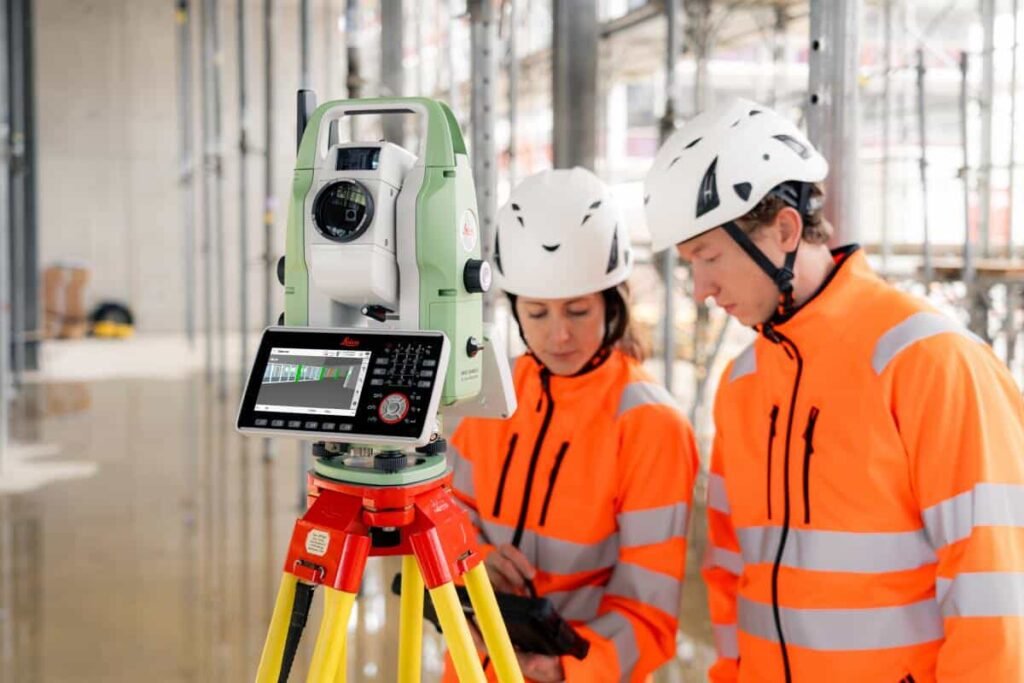
To overcome these challenges, engineers are moving towards digital layout systems that integrate design data directly into on-site workflows. Instead of manually interpreting drawings, teams can now work from precise digital models.
Technologies commonly used include:
- Robotic total stations
- GNSS positioning systems
- BIM (Building Information Modeling) integration
- Field software for layout and verification
These tools allow engineers to transfer design data seamlessly from office to site, ensuring that what is built closely matches the original plan.
Real-Time Verification and Immediate Corrections
One of the most valuable features of modern layout technology is real-time verification. Engineers can compare what has been built against the design instantly, without needing to send data back to the office.
This enables teams to:
- Identify inaccuracies as they happen
- Make corrections on the spot
- Prevent small issues from becoming major problems
By catching errors early, projects can avoid delays and additional costs.
Automation and Guided Workflows
Automation is playing an increasingly important role in improving accuracy. Many modern systems include guided workflows that walk users through layout tasks step by step.
This reduces the likelihood of mistakes by:
- Simplifying complex processes
- Minimizing manual input
- Standardizing how tasks are completed
Even less experienced team members can achieve high levels of precision, helping maintain consistency across projects.
Integrated Solutions for End-to-End Accuracy
Today’s most effective systems combine multiple technologies into a single workflow. Leica iCON for construction layout at califfsurveying.com brings together digital plans, measurement tools, and verification processes in one place.
This integration allows engineers to:
- Import and manage design data easily
- Lay out points and structures with precision
- Verify accuracy in real time
By reducing the need to switch between tools or processes, integrated solutions help minimise errors and improve efficiency.
Reducing Rework, Costs, and Waste
Errors in layout often lead to rework, which can significantly impact both budgets and timelines. Incorrect measurements may require materials to be removed and replaced, increasing waste and labor costs.
Advanced layout technologies help prevent these issues by ensuring accuracy from the start. This leads to:
- Fewer corrections and delays
- Lower material waste
- Better cost control
In addition to financial benefits, reducing waste also supports sustainability goals.
Final Thoughts
Advanced layout technologies are transforming how engineers approach accuracy and efficiency. By replacing manual processes with digital systems, automation, and real-time verification, these tools significantly reduce the risk of errors.
The result is a more streamlined construction process, where projects are completed faster, costs are better controlled, and quality is consistently maintained.