Buying a cooling tower is a long-term operational investment, not a one-time product purchase. The equipment stays in service for years, and the company behind it shapes how your facility performs every single day. That’s exactly why choosing among cooling tower manufacturers deserves more attention than most buyers give the decision.
The manufacturer you choose affects operational reliability, thermal performance, maintenance requirements, operating costs, and equipment lifespan.
Many buyers compare only initial pricing while overlooking engineering expertise, service capabilities, lifecycle costs, and long-term support for their industrial cooling towers and broader cooling tower systems.
This guide breaks down what to evaluate, the questions to ask suppliers, common buying mistakes, and a practical comparison checklist so you can match the right equipment to your facility’s real needs.
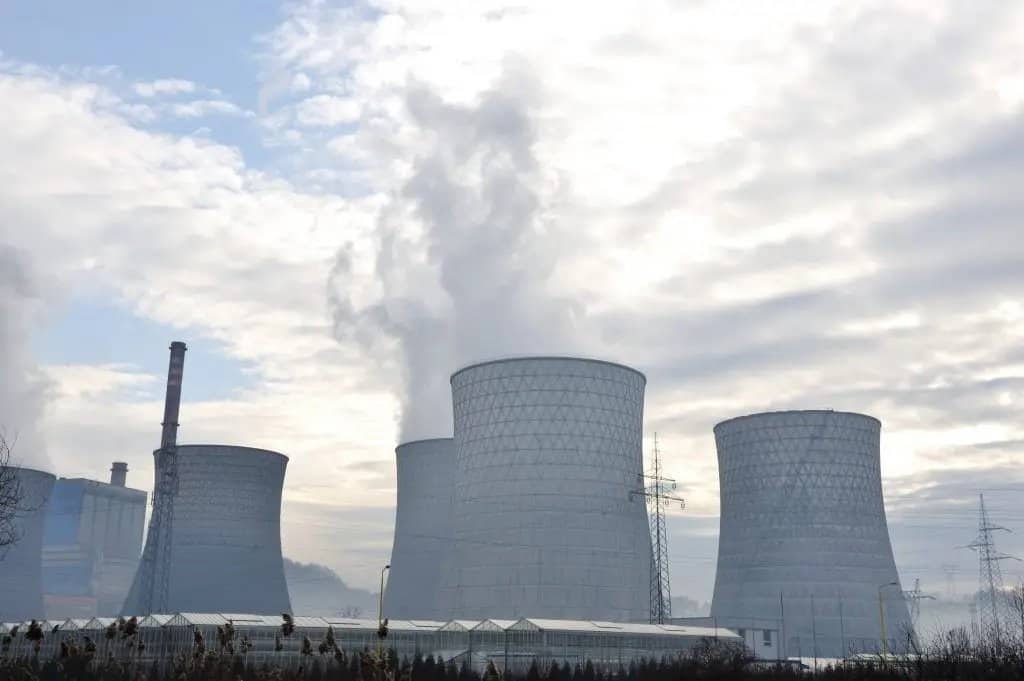
Why Choosing the Right Cooling Tower Manufacturer Matters
The right manufacturer influences far more than the price tag on the invoice. Its engineering directly affects cooling tower efficiency, energy consumption, system reliability, maintenance frequency, and future replacement costs. A quality build rejects heat consistently and asks less of your maintenance team over the years.
Lifecycle costs often matter more than the initial purchase price. A cheaper unit upfront may end up costing far more across a decade of operation once you factor in energy waste, downtime, and repeated repairs. Reliable heat rejection and a lower lifecycle cost come from smart design paired with dependable support, and a manufacturer that stands behind its equipment reduces both operating risk and total ownership cost over the tower’s service life.
7 Factors to Evaluate When Comparing Industrial Cooling Tower Manufacturers
A structured comparison keeps the decision objective instead of relying on gut feeling or a glossy brochure. These seven factors separate strong industrial cooling tower manufacturers from weaker options.
Industry Experience and Project Portfolio
Look at where the manufacturer has actually succeeded before. Experience across manufacturing plants, HVAC applications, data centers, and heavy industrial facilities signals real adaptability. A proven portfolio in similar environments reduces risk and shows the company understands the operating demands you’re dealing with.
Engineering Expertise and Cooling Tower Design
Strong cooling tower design is what drives long-term performance. A capable manufacturer offers custom engineering for site-specific conditions rather than a one-size-fits-all unit. Thermal performance depends on precise sizing, fill selection, and airflow modeling, and engineering depth is what separates a tower that barely meets spec from one that performs well for years.
Product Range and Cooling Tower Types
Product diversity supports a genuinely good fit. Evaporative cooling towers are available in different airflow configurations, counterflow and crossflow, each suited to different site conditions, and construction materials such as fiberglass reinforced plastic (FRP) are available across either configuration, particularly for corrosive environments. A wider range means the manufacturer can recommend the best tower for your specific application rather than pushing whatever happens to be sitting in stock.
Manufacturing Quality and Industry Certifications
Quality assurance protects your investment long before the tower ever ships. Review material choices, testing procedures, and recognized industry standards. The Cooling Technology Institute’s STD-201 thermal certification program independently verifies that the published performance ratings for a manufacturer’s certified equipment or product lines actually hold up under testing, which gives buyers a way to confirm those specific claims rather than take them on faith. Certified processes and durable materials like stainless steel or fiberglass extend service life considerably.
Installation, Commissioning and Technical Support
Cooling tower installation affects early performance more than most buyers realize. A manufacturer that provides commissioning and engineering support helps avoid startup problems before they ever occur. A strong partner assists with field setup, alignment, and performance verification before the unit goes into full service.
Maintenance, Spare Parts and Aftermarket Service
Long-term support keeps towers running well past year one. Evaluate cooling tower maintenance offerings, spare parts availability, and response times closely. Fast access to fans, fill media, and gearboxes minimizes downtime when something eventually needs attention, and reliable aftermarket service is one of the strongest indicators of a dependable long-term partner.
Warranty, Lifecycle Cost and Future Expansion
Warranty terms reveal how much confidence a manufacturer has in its own product. Weigh operating costs and lifecycle cost, not just the number on the initial quote. Consider future cooling tower replacement planning and capacity expansion too, since a manufacturer that supports growth prevents costly rework later down the line.
| Tower Type | Best For | Pros | Key Consideration |
| Counterflow | Compact footprints | Efficient airflow, enclosed water distribution | Higher pump head |
| Crossflow | Easy maintenance | Simple access, lower pump energy | Larger footprint |
Note: Counterflow and crossflow describe the airflow arrangement within an evaporative cooling tower, not separate tower categories. FRP (fiberglass reinforced plastic) is a construction material available across either configuration and is often chosen for corrosive environments because of its corrosion resistance and light weight.
Questions Every Buyer Should Ask Cooling Tower Suppliers Before Purchasing
Asking informed questions helps you compare cooling tower suppliers objectively rather than relying on marketing claims alone. Good answers reveal engineering depth, service commitment, and real-world capability. Weak or vague answers are a warning sign worth taking seriously.
A confident cooling tower supplier should be able to answer each of these clearly and back the claims up with references:
- What industries do you specialize in?
- Can you provide recent project references?
- Which cooling tower systems do you manufacture?
- Do you offer custom engineered solutions?
- What warranty is included?
- How quickly are replacement parts available?
- Do you provide installation support?
- What ongoing maintenance services are available?
- Which industry certifications do your products meet?
The answers let you rank suppliers side by side instead of guessing. Consistency between what a supplier claims and what their references confirm tells you which partner is actually worth trusting.
Common Mistakes Businesses Make When Comparing Cooling Tower Companies
Even experienced buyers slip up here. Recognizing these errors helps you compare cooling tower companies with a clearer head, and the most expensive mistakes usually trace back to short-term thinking.
- Selecting based only on purchase price
- Ignoring lifecycle costs
- Overlooking engineering expertise
- Choosing the wrong tower type
- Failing to evaluate technical support
- Ignoring maintenance accessibility
- Not checking project references
- Forgetting future expansion needs
A low upfront quote can quietly hide high operating costs down the line. Water and energy savings deserve real weight in the decision too, since a price-only comparison tends to miss the long-term efficiency gains that add up across years of operation. The right cooling tower company helps buyers avoid these traps with honest, straightforward guidance rather than a sales pitch.
Cooling Tower Manufacturer Evaluation Checklist
Use this checklist to score each manufacturer quickly. It keeps the evaluation consistent and makes it easy to share with the rest of your team.
- Industry experience
- Engineering capabilities
- Product quality
- Cooling tower types offered
- Certifications
- Energy efficiency
- Installation support
- Maintenance services
- Spare parts availability
- Warranty coverage
- Customer references
- Lifecycle value
Rate each item across your shortlist. The manufacturer with the strongest overall profile, not the lowest price, usually delivers the best long-term value.
Where to Continue Your Research Before Selecting a Manufacturer
Comparing multiple manufacturers side by side helps buyers understand product capabilities, service offerings, and long-term value before committing to anything. A consolidated view of the options shortens the research process and sharpens the final decision considerably. Facility teams weighing several vendors at once may also find it useful to review installation and support capabilities alongside manufacturer specs, since the equipment and the service behind it go hand in hand.
Buyers evaluating multiple leading cooling tower manufacturers may find it useful to review Pinnacle’s Top 10 Cooling Tower Manufacturers comparison resource, a reference guide summarizing manufacturers, capabilities, and selection considerations in one place. Pinnacle Cooling Tower Service specializes in cooling tower maintenance, inspection, repair, and support after installation, and offers this resource as a helpful starting point for buyers doing their own manufacturer research.
Frequently Asked Questions
Compare them across engineering expertise, product range, certifications, support, and lifecycle cost. Use a scoring checklist and check project references directly. The strongest overall profile usually beats the lowest price on paper.
Look for recognized industry standards covering thermal performance, materials, and manufacturing quality, such as CTI’s STD-201 thermal certification, which applies to specific certified equipment or product lines rather than a manufacturer’s entire lineup. Certifications confirm independent testing and give objective proof of capability for that certified equipment beyond marketing claims.
A manufacturer designs and produces the equipment. A supplier sells and sometimes services it. Some companies do both, offering engineering, sales, and long-term support together under one roof.
It depends on load, space, and water conditions at your specific site. Counterflow and crossflow evaporative towers suit many plants, while towers built with FRP (fiberglass-reinforced plastic) construction can be well suited to corrosive environments because of that material’s corrosion resistance. Match the tower type and construction material to the actual application.
A well-maintained industrial cooling tower often serves for many years, sometimes decades. Service life depends heavily on materials, water treatment, and consistent maintenance, and quality engineering extends it significantly beyond a poorly built unit.
Making the Right Cooling Tower Manufacturer Decision
Selecting the right cooling tower manufacturer is about far more than initial cost. Evaluating engineering expertise, product quality, long-term support, maintenance capabilities, and lifecycle value leads to better operational performance and lower total ownership costs over the life of the equipment. The cheapest unit on the table rarely delivers the best return.
A structured evaluation protects both your budget and your uptime. Use a checklist, ask direct questions, and compare manufacturers carefully before making a final investment decision.
If you’d like help evaluating operating conditions, maintainability, service requirements, installation considerations, or long-term performance for your facility, reach out to Pinnacle Cooling Tower Service for guidance.