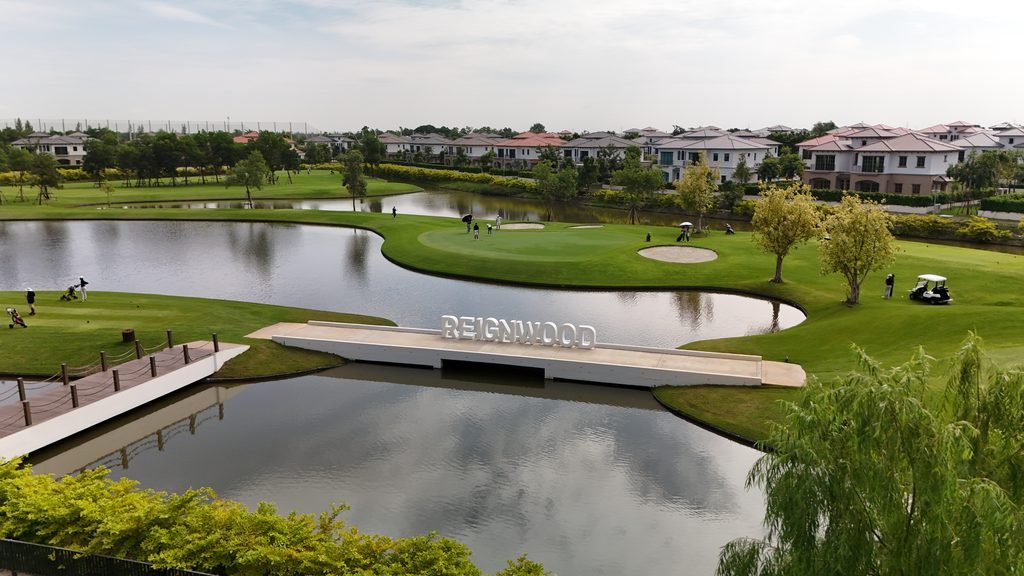
Wellness real estate has become the fastest-growing segment of the global wellness economy, doubling from USD 225 billion in 2019 to USD 548 billion in 2024, a 19.5 percent annual growth rate, according to the Global Wellness Institute’s 2025 research. Thailand’s ageing population and expanding base of high-net-worth buyers place it squarely within that growth story. The label gets applied loosely, however, and a property with a nice gym is not automatically wellness-oriented in any meaningful sense. The distinction is worth understanding before the term loses whatever usefulness it still has.
What the Term Is Actually Supposed to Mean
The Global Wellness Institute’s own framework is more demanding than most marketing copy suggests. Genuine wellness real estate treats health-supportive design as infrastructure built into a development at the neighbourhood, building, and dwelling scale, not as an amenity layered on top of an otherwise ordinary project. That distinction, infrastructure versus amenity, does most of the useful work in telling the two apart.
Four Questions Worth Asking
1. Is it infrastructure or decoration? A rooftop gym added to satisfy a sales brochure checklist is decoration. Running tracks, green corridors, and recreational facilities built into the master plan from the outset, so that using them is the path of least resistance rather than an active choice, function as infrastructure instead.
2. Is it part of daily life or an occasional outing? Amenities a resident has to book, drive to, or queue for tend to get used rarely, however good they look in a brochure. Facilities within walking distance, available without friction, are the ones that actually shape everyday habits.
3. Does it address recovery, not just fitness? Fitness infrastructure alone skews toward a narrow, younger, performance-oriented resident. A rehabilitation centre, spa, and recovery-focused facilities alongside the gym signal a development built for a full range of ages and physical needs, particularly relevant for multi-generational households.
4. Is the green space real, or is it landscaping around a car park? Genuine open space, tree canopy, and water features at meaningful scale are difficult to fake and expensive to build. A few planters at a building entrance are not a substitute, regardless of what the marketing copy calls them.
Why Thailand’s Market Is Moving This Direction
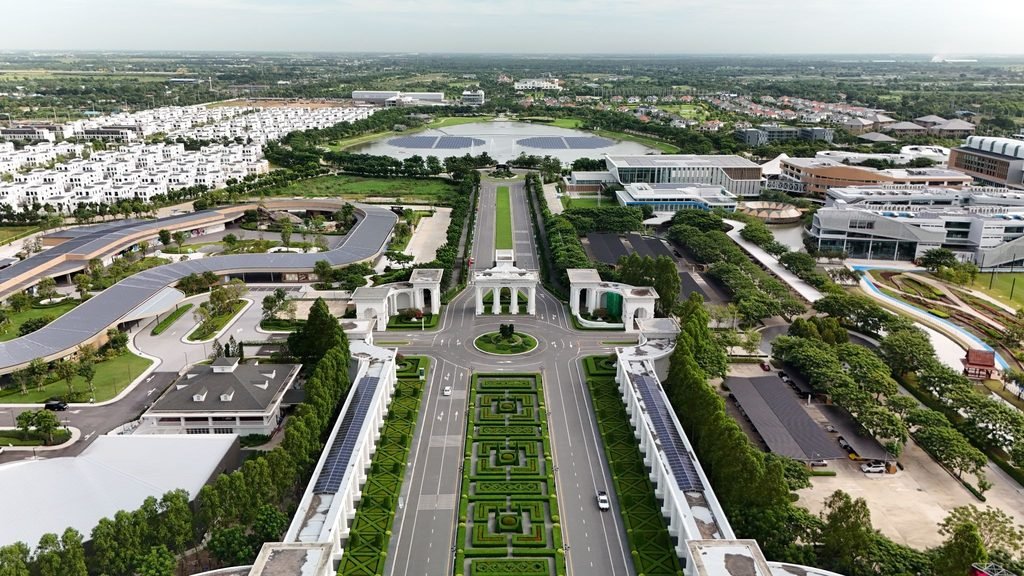
Thailand’s demographic and wealth trends both point the same way. An ageing population is placing new weight on mobility, recovery, and long-term quality of life as purchase criteria rather than an afterthought, while a growing base of high-net-worth buyers has both the means and the expectation to demand more from a development than a pool and a gym. Developers responding to this shift have increasingly moved toward large-scale, low-density master plans capable of genuinely embedding recreational and recovery infrastructure into daily life, rather than compact urban sites where meaningful green space and sports infrastructure are structurally difficult to fit.
Reignwood Park, a 2,000-rai development in Lam Luk Ka, Pathum Thani, is one example of a development built with residents’ everyday wellbeing in mind at this scale: an 800-square-metre fitness area, a 10-kilometre dedicated running and cycling track, golf integrated directly into the residential fabric, and extensive green space organised around a central lake. The point is less any single facility than the fact that using them does not require leaving the community or making a special trip. That accessibility, more than any specific amenity, is what separates a development that supports a healthy daily routine from one that simply advertises the possibility of one.
For more information about Reignwood Park and its residential collections in Lam Luk Ka, Pathum Thani, visit reignwoodpark.com or contact the team at saleoffice@reignwoodth.com / +66 (0)2 978 8888.