Construction budgets tend to focus heavily on upfront cost, comparing material options primarily on what they cost to purchase and install. This narrow view misses a significant part of the real financial picture, since the materials chosen during construction continue affecting a building’s operating costs for decades afterward. Choosing quality Insulated Metal Wall Panels over less capable alternatives is a clear example of how a construction decision made once can generate meaningful savings for the entire operational life of a facility.
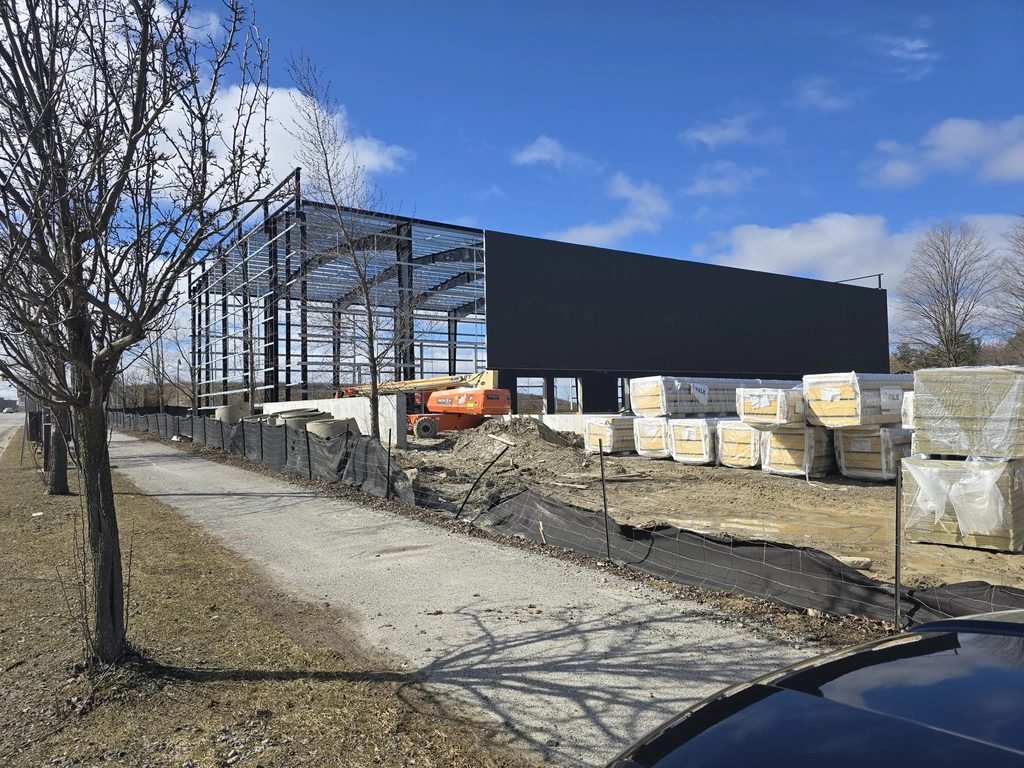
Upfront Cost Comparisons Miss the Real Financial Picture
When construction decisions are made purely on initial material and installation cost, they systematically miss the ongoing operational expenses that different materials generate over time. A less expensive wall system might save money during construction while costing considerably more over the following twenty years through higher energy bills, more frequent maintenance, and earlier replacement. A true cost comparison needs to account for this full operational lifespan, not just the initial construction phase, to accurately reflect which option actually represents better value.
This broader view of total cost of ownership is increasingly recognized as the more accurate way to evaluate building material decisions, even though it requires more complex analysis than simply comparing upfront pricing.
Thermal Performance Directly Affects Ongoing Energy Costs
Building envelope thermal performance has a direct, ongoing effect on heating and cooling costs for the entire life of a facility. Materials with superior insulation properties reduce the energy required to maintain comfortable or process-appropriate temperatures inside a building, translating into lower utility bills every single month the facility operates. Over a building’s operational lifespan, which can easily span several decades, these accumulated energy savings can represent a substantial financial benefit that dwarfs the initial cost difference between building material options.
This ongoing energy savings effect compounds considerably over time, making thermal performance one of the most financially significant factors in any genuine long-term cost analysis of building material choices.
Durability Reduces Maintenance and Replacement Expenses
Building materials that hold up better under demanding conditions , weather exposure, industrial use, temperature cycling , require less frequent repair and replacement over a facility’s operational life. Lower-quality materials that degrade faster generate a recurring cycle of maintenance expenses and eventual replacement costs that considerably erode any initial cost savings achieved during construction. Higher-quality, more durable materials avoid much of this recurring expense, delivering genuine long-term savings even when they cost more upfront.
This durability advantage matters particularly for industrial and commercial facilities, where building envelope failures can also disrupt operations, creating costs beyond the direct repair expense itself.
Reduced Maintenance Means Less Operational Disruption
Beyond the direct cost of repairs, maintenance work itself often creates operational disruption , production slowdowns, temporary closures, or reduced capacity while repair work is completed. Materials that require less frequent maintenance reduce this disruption considerably, protecting not just direct maintenance costs but also the broader operational efficiency that gets interrupted every time significant maintenance work becomes necessary.
For facilities where operational continuity carries significant financial value, this reduction in maintenance-related disruption represents a meaningful, if less directly visible, component of the total long-term cost savings that quality building materials can provide.
Specialized Facilities Benefit Disproportionately From Quality Materials
Facilities with specialized operational requirements , precise temperature control, strict sanitation standards, demanding environmental exposure , face particularly significant consequences when building materials underperform. A building envelope that can’t maintain consistent temperature control in a cold storage facility, for example, creates direct operational and product quality risks well beyond simple energy cost concerns. For these specialized facilities, investing in genuinely high-performance building materials isn’t simply about long-term cost savings , it’s about protecting the core operational function the facility depends on.
Long-Term Value Requires Thinking Beyond the Construction Phase
Genuine long-term cost analysis requires building owners and developers to think beyond the construction phase itself, toward the full decades-long operational life a facility will actually experience. This requires a genuine shift in how construction decisions get evaluated, moving away from purely upfront cost comparisons toward a more complete accounting of energy performance, maintenance requirements, and operational reliability across a facility’s entire expected lifespan.
This shift in thinking, while requiring more sophisticated analysis during the decision-making process, tends to produce considerably better long-term financial outcomes than decisions made purely on initial construction budget considerations.
Quality Materials Support Better Long-Term Planning
Beyond direct cost savings, higher-quality building materials tend to support more predictable long-term facility planning, since their performance and maintenance needs are generally better understood and more consistent than lower-quality alternatives. This predictability itself carries value, allowing facility owners and operators to plan maintenance budgets and operational expectations with greater confidence than materials with less consistent or well-understood long-term performance characteristics.
The Bottom Line
Building material decisions made during construction continue generating financial consequences for decades afterward, through energy costs, maintenance requirements, and operational reliability. Evaluating these decisions purely on upfront cost misses the much larger financial picture that unfolds over a facility’s actual operational lifespan. For building owners and developers genuinely focused on long-term financial performance, prioritizing quality, high-performance building materials represents one of the most effective ways to reduce the total cost of facility ownership over time.