When a construction site accident involves multiple contractors, responsibility depends on who caused the hazard, who controlled the work area, and whether each party fulfilled its legal safety obligations. A general contractor, subcontractor, property owner, or equipment manufacturer may share liability if their negligence contributed to the injury. Determining responsibility requires a careful review of the accident, the parties’ roles, and the evidence surrounding the incident.
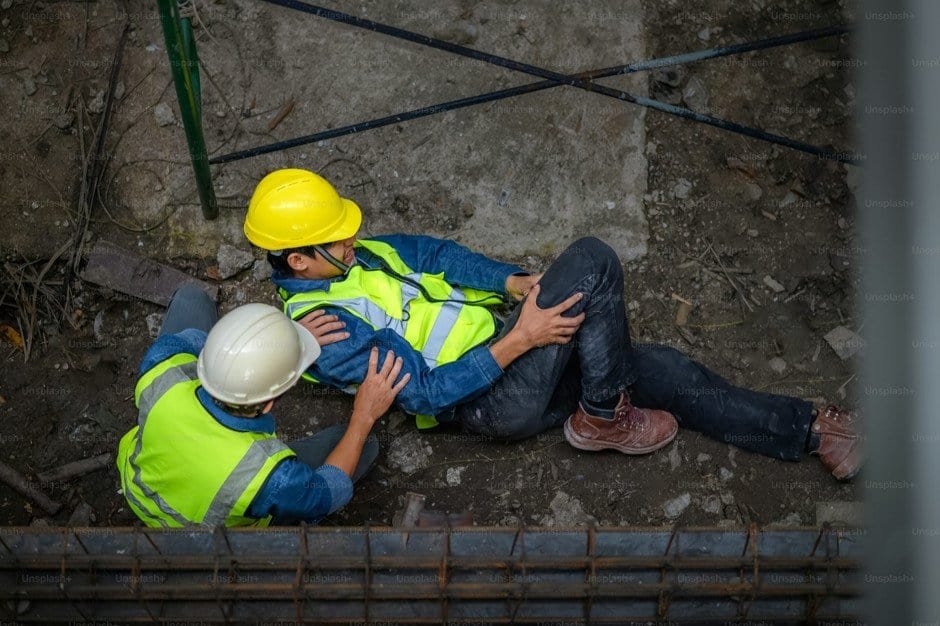
Construction projects often bring several teams together, with workers handling electrical installations, scaffolding, heavy machinery, and material transport in the same area. Without proper coordination, one contractor’s actions can put another team at risk. Understanding the top causes of accidents on construction sites helps explain how unsafe equipment, inadequate training, falls, and poor communication can lead to serious injuries and disputes over liability.
General Contractors May Be Responsible for Site Safety
General contractors often coordinate subcontractors, organize work schedules, and oversee shared areas. Their responsibilities may include identifying hazards, communicating safety requirements, and ensuring that work activities do not create unnecessary risks for other crews. If a general contractor ignores a known danger or fails to coordinate overlapping tasks, its conduct may contribute to an accident.
Federal OSHA regulation 29 C.F.R. § 1926.20(b)(2) requires employers to initiate and maintain safety programs necessary to comply with construction safety standards. Although this regulation establishes workplace safety obligations, it does not automatically make a general contractor liable for every injury on a project. Civil liability depends on the applicable law, the contractor’s duties, and the facts of the accident.
Subcontractors Can Be Liable for Unsafe Work
Subcontractors must follow applicable safety requirements and take reasonable steps to protect workers from hazards associated with their activities. For example, a roofing crew may create a dangerous opening that causes another worker to fall. An electrical subcontractor could also contribute to an injury by leaving exposed wiring in a shared work area.
Under 29 C.F.R. § 1926.16, construction contracts and subcontracting arrangements do not eliminate obligations imposed by applicable OSHA standards. The precise responsibilities of contractors and subcontractors depend on the relevant standards and their roles on the project. A separate legal analysis is needed to determine whether a party is financially liable for an injured worker’s losses.
Property Owners and Equipment Providers May Share Liability
Property owners may face liability when they fail to address dangerous conditions within their legal responsibilities. Liability may also arise when an owner retains control over certain work or directly contributes to a hazardous situation. However, ownership of the property alone does not automatically establish fault.
Equipment manufacturers and maintenance providers may also be responsible when defective machinery or negligent maintenance contributes to an accident. A malfunctioning lift, for instance, may cause a fall if a safety component fails during normal operation. Equipment inspection reports, maintenance records, and manufacturer documentation can help investigators identify the cause.
Evidence Helps Establish Who Caused the Accident
Determining responsibility requires more than identifying which company employed the injured worker. Investigators should review accident reports, photographs, witness statements, contracts, safety inspection records, and training documents. Work schedules and communication records may reveal whether contractors failed to coordinate potentially dangerous activities.
Injured workers should seek medical attention promptly and report the incident according to workplace procedures. Preserving evidence can help clarify what happened before the scene changes or important records become unavailable. A construction accident attorney can assess potential claims against responsible parties and explain how state workers’ compensation and personal injury laws may apply.
Key Takeaways
- Multiple contractors may share responsibility when their actions contribute to a construction accident.
- General contractors may have site coordination duties, while subcontractors remain responsible for their own work and applicable safety requirements.
- Property owners and equipment providers may also face liability under certain circumstances.
- OSHA regulations establish safety obligations but do not automatically determine civil liability.
- Contracts, inspection records, photographs, and witness statements can help establish how the accident occurred.