A renovation usually ends in a rush. The contractor is finishing the punch list, the lease on the old place is running out, and the moving truck is already booked. That overlap is where a lot of brand-new work gets damaged: a dresser dragged across a floor that was refinished three days earlier, a door jamb chipped by a sofa, a fresh wall scuffed by a mattress.
Most of that damage is avoidable. It comes down to timing, a proper handover from the builder, and protecting the surfaces that are still curing.
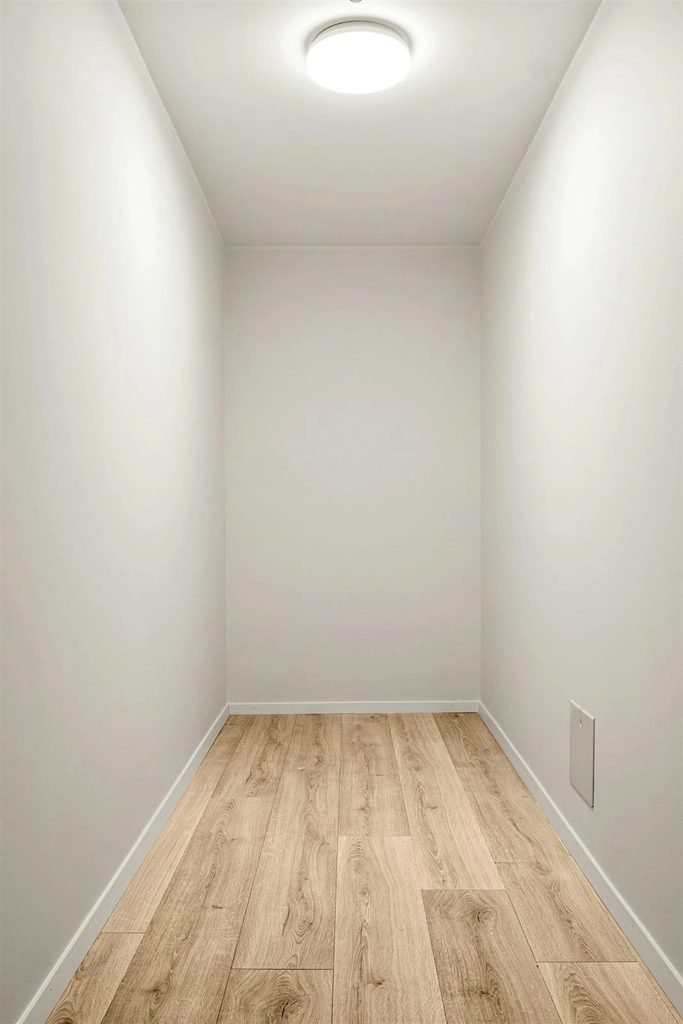
Photo: Lisa Anna / Unsplash
Respect Cure Times, Not Just Dry Times
A finish that feels dry is not necessarily ready for furniture. Dry time and cure time are different things, and moving day is one of the hardest tests a new finish will face.
| Finish | Typical guidance before moving in |
|---|---|
| Interior latex paint | Dry to the touch within hours, but it can take two to four weeks to reach full hardness. Avoid leaning furniture against walls in the first weeks. |
| Water-based floor finish | Light foot traffic after about a day, furniture often after two to three days. Hold off on rugs for one to two weeks. |
| Oil-based floor finish | Furniture usually after about four days, rugs closer to a month. |
| New tile grout and sealer | Usually one to three days before heavy loads roll across it. |
| New garage or driveway concrete | Foot traffic after a day or two, vehicles after about a week. |
These are common rules of thumb, not guarantees. The product data sheet and your contractor have the final word, so ask which products were used and get the dates in writing. If the floor was finished on a Monday, a Wednesday move-in is a bad idea, whatever the calendar says.
Do the Final Walkthrough Before the Truck Arrives
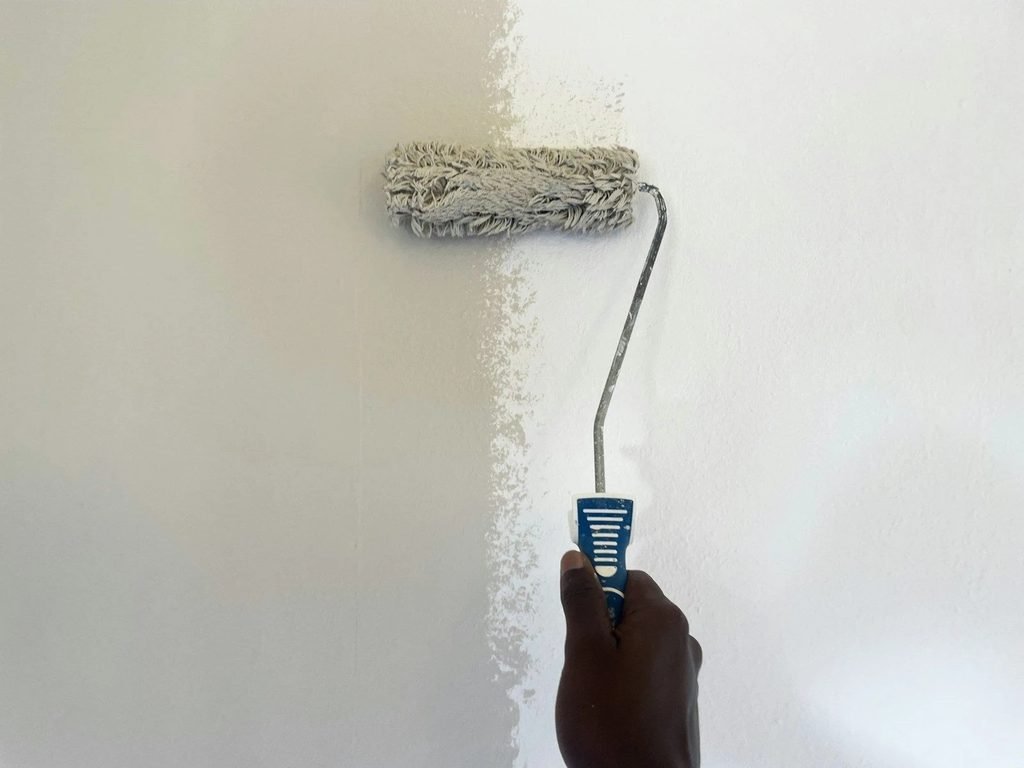
Photo: Andrew Itaga / Unsplash
Once the furniture is in, defects are harder to see and harder to fix. Walk the house with the contractor before moving day and check:
- Doors and hardware. Every door should open, close and latch without rubbing. Check that hinges are tight; movers will be carrying heavy pieces through these openings.
- Floors. Look for soft spots, gaps, lifted edges and finish defects, using a flashlight held low to the floor.
- Electrical and plumbing. Test every outlet you plan to use on day one, run each faucet, and flush each toilet.
- HVAC. Construction dust ends up in the ducts. Ask for a fresh filter before you move in, and run the system for a day with windows open if fumes linger.
- Dust and debris. A final cleaning before the furniture arrives is far easier than cleaning around it.
Make a written punch list with photos and agree on who fixes what, and when. That list also protects you if a question comes up later about whether damage happened during construction or during the move.
Protect the Surfaces on Moving Day
Even a careful crew will roll carts and set down heavy pieces. A little protection goes a long way:
- Floor protection. Heavy-duty paper or board-type floor protection taped along the walking paths, not plastic sheeting, which is slippery and can trap moisture against a fresh finish.
- Door jamb and corner guards. Padded jamb protectors on the main entry and on the doors to the largest rooms.
- Banister and railing wrap. New stair parts are easy to dent.
- Felt pads. Put them on furniture legs as each piece is placed, not after the room is full.
- A clear plan. Label every box and piece of furniture by room, so nothing gets set down “for now” on a new floor and dragged later.
Tell your movers up front that the home was just renovated, and which floors and walls are newest. Experienced local crews, such as Raimond’s Movers in Dedham, plan for this: padding, floor runners and a walkthrough of the paths before the first piece comes off the truck.
When the Renovation Runs Late
Projects slip. Inspections get rescheduled, a cabinet delivery arrives damaged, or the floor needs another coat. If the old home has to be empty before the new one is safe to move into, do not squeeze the move into the gap anyway.
Two options usually work better:
- Split the move. Move essentials first, and bring furniture once the floors have cured.
- Store in between. Moving everything out on schedule and keeping it in storage between the move-out and move-in dates costs less than refinishing a floor or repairing new drywall, and it keeps the contractor’s work area clear for the final fixes.
A Simple Timeline
| When | What to do |
|---|---|
| 3 to 4 weeks before | Confirm the finish schedule with the contractor and book the movers for after the cure dates |
| 1 to 2 weeks before | Final walkthrough, written punch list, plan a storage gap if needed |
| 2 to 3 days before | Final cleaning, new HVAC filter, floor protection on order |
| Moving day | Lay floor protection, guard door jambs, walk the paths with the crew lead |
| First weeks | Felt pads on all furniture, rugs only after the floor finish allows it |
A renovation represents months of work and a serious budget. Planning the move around the finishes, rather than the other way around, is the cheapest way to make sure it still looks new when the boxes are unpacked.