For many households across the UK, home heating relies on oil, particularly in areas where mains gas is not available. Efficient and safe oil storage is essential to ensure that your home stays warm throughout the colder months, while also protecting the environment and maintaining household safety. This guide provides practical advice on modern oil storage solutions and how to get the most out of them.
Understanding Your Oil Storage Needs
Before choosing an oil storage system, it is important to assess your household’s specific needs. Factors such as the size of your home, your heating usage, and the frequency of oil deliveries all influence the type of storage system that will work best. Larger homes with higher heating demands may require bigger tanks or multiple units, while smaller households can often manage with more compact solutions.
Choosing the Right Type of Oil Tank
Modern households have access to a range of oil storage options. Traditionally, above-ground steel tanks were common, but today there is a stronger focus on durability, safety, and environmental protection. Plastic and composite tanks have become popular due to their resistance to corrosion and lower maintenance requirements.
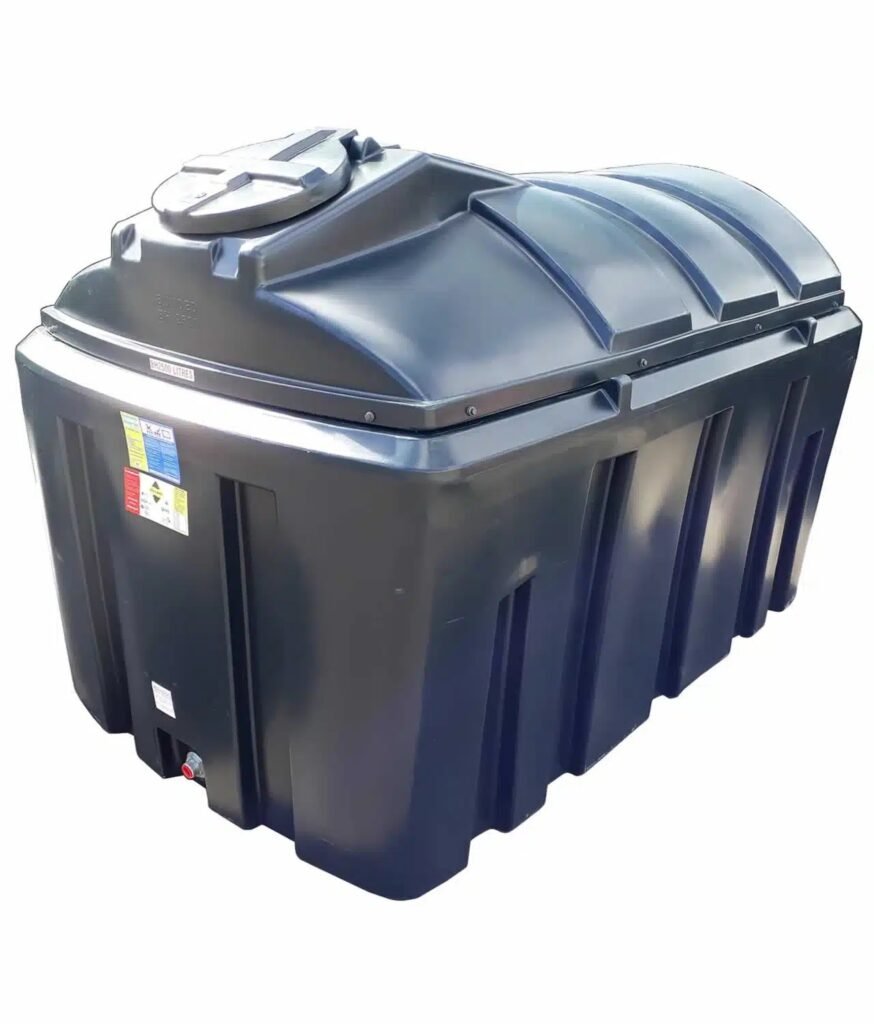
One of the most reliable choices for homeowners is a bunded oil tank from QuickTanks. These tanks feature a double-wall design, meaning any leaks are contained within the outer layer, significantly reducing the risk of environmental contamination. Bunded tanks also often meet or exceed UK safety regulations, giving peace of mind for households storing large quantities of heating oil.
Positioning and Installation
Correct placement of your oil tank is crucial for both safety and convenience. Tanks should be installed on a stable, level base, away from potential sources of ignition. Additionally, accessibility for delivery and maintenance is essential, so consider positioning the tank in a location that is easy for delivery vehicles to reach.
Professional installation is highly recommended to ensure the tank is set up correctly. Expert installers can advise on the best location, check for potential hazards, and ensure that all connections comply with relevant regulations. This can prevent accidents, leaks, or inefficient use of oil over time.
Regular Maintenance and Safety Checks
Once installed, regular maintenance is key to extending the life of your oil tank and ensuring safe operation. Check for signs of wear, corrosion, or damage, and clean any debris from the surrounding area. Many households also benefit from using oil filters and monitors to prevent blockages and ensure efficient fuel use.
In addition, it is important to adhere to legal safety standards for oil storage. This includes keeping a safe distance from buildings, drainage systems, and boundaries, as well as ensuring that the tank is clearly marked with warning labels. Regular inspections help households stay compliant while avoiding costly repairs or environmental fines.
Planning for Efficiency and Sustainability
Modern households increasingly consider the environmental impact of oil storage and consumption. Investing in high-quality, secure tanks and monitoring oil usage can reduce wastage and improve energy efficiency. Some homeowners also explore combining oil systems with renewable energy solutions, such as solar panels, to reduce dependency on fossil fuels while maintaining reliable heating.