Pet owners planning a trip by car in the UAE’s hot weather need to take care of all the necessary precautions so as to keep themselves safe and comfortable. The risk of overheating, dehydration and heat stroke for pets on long car rides is extremely high because in the UAE it can get much hotter than 40°C (104°F) and inside a parked car it can be even hotter.
To minimize these risks to your pet, you will need to provide adequate hydration, use methods to cool your pet, ensure proper ventilation and have an emergency plan ready to respond to potential emergencies.
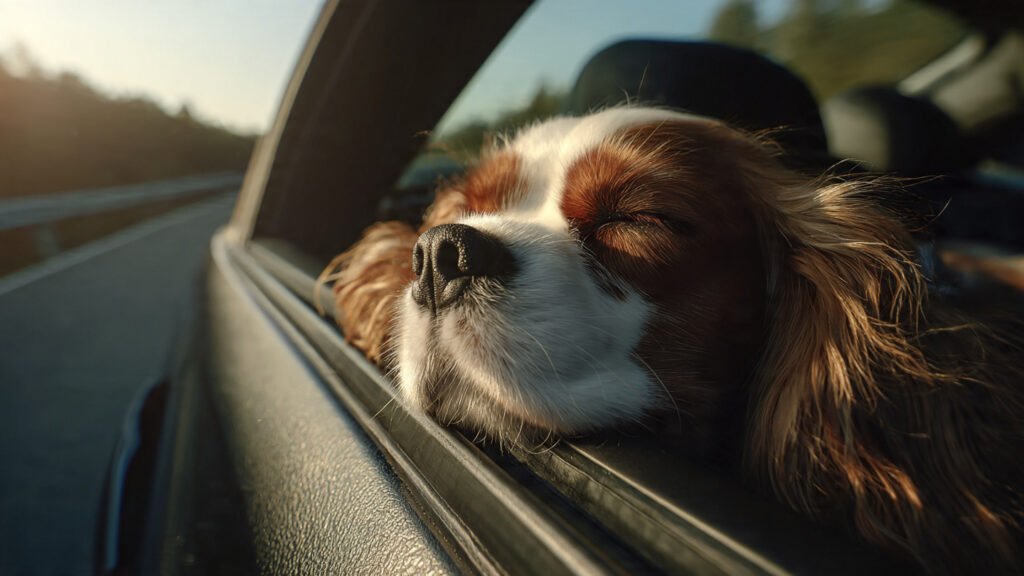
Pet Heat Stress Issues
Animals cannot withstand extreme heat as humans do. Their primary way of regulating body temperature is through panting and the sweat glands found on the bottom of their paws. When left in a parked or moving car for even a short time, the interior of a car can quickly reach life threatening temperatures, which may lead to heat exhaustion and possibly heat stroke. A pet does not have to be left in a hot car for long before suffering serious damage.
Dr Sarah, a veterinarian with one of Dubai’s largest veterinary clinics stated, “Due to the extreme heat in the UAE, there is always a danger for your pet when making a car trip, especially when made during the hottest part of the day, unless the proper steps are taken to safely transport them”.
Hydration, the first line of defence
The importance of proper hydration is paramount to the safety and well-being of your pet during a road trip in a hot climate. Your pet can become dehydrated rapidly in heat; therefore, you should always have plenty of fresh water and a portable bowl readily available to provide for them while traveling. In addition to providing water for your pet, replenishing their water supply often, particularly after stopping, will help keep them both hydrated and comfortable.
Hydration tips
- Serve your pet small amounts of water throughout the journey as opposed to serving them a large amount of water at one time.
- Carry water that has been cooled (as opposed to water that sits in the sun) and do not permit your pet to drink from stagnant or warm water sources.
- When traveling with your pet for an extended period, place the water supply in close proximity to your pet so they may access it as needed.
Tips for keeping your pet cool while traveling by car:
The comfort and safety of your pet in the vehicle greatly depend upon the temperature inside the vehicle and the use of cooling and ventilation to prevent heat stress. Use the car’s air conditioner to maintain an ideal temperature of 15-25 degrees Celsius inside the vehicle. Although you need to leave some of the windows open for airflow to prevent your pet from becoming too hot, you must ensure that your pet cannot get out of the vehicle through the windows or fall out of the window.
Cooling devices include
- A portable mat or pad that can be used in the pet’s carrier or directly on the seat to assist in regulating your pet’s body temperature.
- A wet towel or bandana that has been lightly damped with cool water for your pet to lie on or wear.
- A portable fan or air circulator that can be powered using a USB port in the vehicle.
- A travel crate with mesh paneling or adequate ventilation to promote airflow.
Every 1-2 hours take a break in the shade or in an air-conditioned area to give your pet the opportunity to stretch, urinate/defecate, and cool down.
Emergency Preparedness on the Road
Emergency situations may arise despite precautions when you are traveling with your pet. Preparation can literally mean the difference between your pet living and dying:
- Assemble an emergency pet first-aid kit that will include supplies such as band-aids, antibacterial ointment, tweezers and any necessary prescriptions for your pet.
- Identify the nearest veterinarian to your planned route. If you plan to visit a location like Dubai, consider locating an animal hospital near your destination. The Modern vet clinic dubai is well-known for providing emergency services and expert consultation.
- Becoming aware of potential signs of heat stroke in your pet could be life saving. These include rapid breathing and/or panting, excessive salivation, stumbling, vomiting, loss of balance/coordination or fainting.
- In case you suspect heat stroke, get your pet to a cooler area quickly and give them small sips of water. Use cool, not cold, wet towels to wet their coat and seek immediate medical attention from a veterinarian.
Pet Safety During a Road Trip
- Schedule your trip at either dawn or dusk instead of during the peak heat hours (10 am – 5 pm).
- NEVER leave your pet unattended in a vehicle, even if it has partially open windows.
- Familiar comforts such as favorite toys or blankets can help ease your pet’s travel-related anxiety.
- Always make sure your pet is wearing the most current ID tags with the most up to date contact information.
- If traveling with multiple pets, give each enough room to roam freely so they don’t become overcrowded.
Following the guidelines above, pet owners can have enjoyable, stress-free road trips with their pets in the hot UAE climate.
Conclusion
UAE Road Trips are only safe when there is sufficient hydration, cooling systems that function properly for the vehicle, proper ventilation in the vehicle and a plan of emergency action as temperatures in the UAE rise. Stress-free road trips can be achieved with regular stops to allow your pet to relieve itself and to rest, using all pet restraints securely, and having your pet’s veterinarian check them before embarking on your trip.