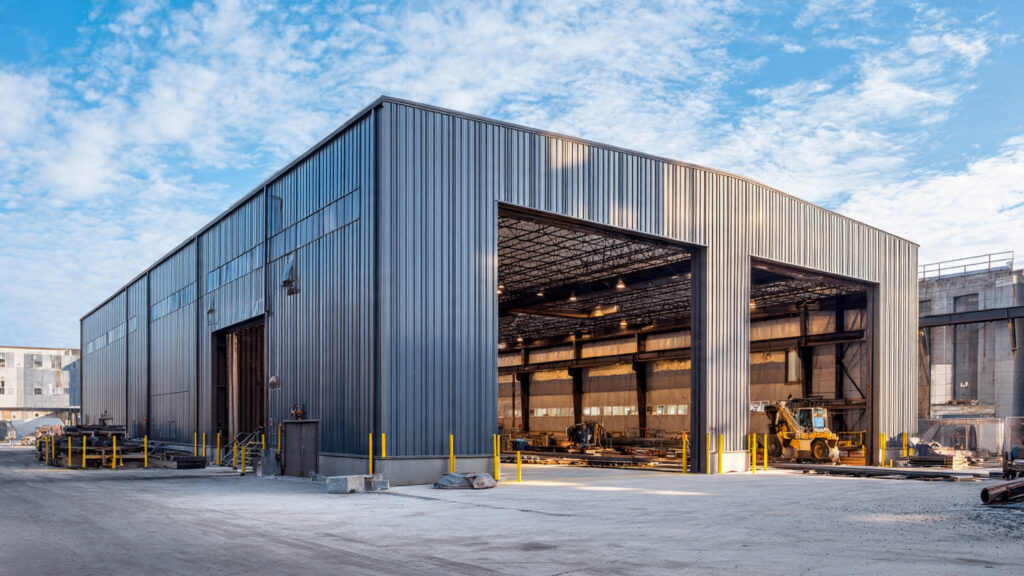
Across the country, a growing number of developers and property owners are recognizing the untapped potential of older metal buildings. Once considered purely utilitarian structures—warehouses, factories, or agricultural barns—they are now becoming prime candidates for adaptive reuse projects. With sound bones, large spans, and flexible interiors, these buildings are being reimagined as retail hubs, creative studios, breweries, event centers, and even modern housing developments.
Converting these aging structures not only saves money but also aligns with the growing demand for sustainable building practices. Instead of demolishing and rebuilding, adaptive reuse breathes new life into existing spaces while preserving their industrial character. Let’s explore the opportunities, challenges, and essential upgrades that come with transforming older metal buildings into vibrant, profitable assets.
Why Adaptive Reuse Is on the Rise
The shift toward adaptive reuse is driven by multiple factors — economic, environmental, and cultural.
- Sustainability: Reusing existing structures dramatically reduces waste and the carbon footprint associated with demolition and new construction. Metal buildings, in particular, already feature recyclable materials and long-lasting frameworks.
- Cost efficiency: While retrofitting requires investment, it’s often far cheaper than ground-up development. Foundations, framing, and roof systems can often be reused or reinforced rather than fully replaced.
- Speed of turnaround: Because the core structural system is intact, renovations can proceed faster, allowing developers to bring new spaces to market quickly.
- Aesthetic appeal: Many consumers and tenants are drawn to the industrial charm of exposed steel, tall ceilings, and open layouts. Adaptive reuse projects tap into that design trend while adding modern comforts.
For developers in both urban and rural settings, this approach blends profitability and purpose—offering distinctive properties that stand out in a crowded market.
Assessing the Potential of an Older Metal Building
Before starting a conversion, a thorough structural and environmental assessment is essential. A steel building can last decades, but years of exposure to moisture, neglect, or outdated codes may require attention.
Key considerations include:
- Structural integrity: Engage an engineer to evaluate the primary frame, roof trusses, and foundation. Surface rust or minor corrosion is often repairable, but more serious damage or out-of-plumb framing demands reinforcement.
- Building envelope: Check for leaks, failing fasteners, or damaged panels. The integrity of the shell determines energy efficiency and long-term usability.
- Interior adaptability: Open-span metal buildings make it easy to redesign layouts; however, electrical, plumbing, and HVAC systems may need complete modernization.
- Code compliance: Converting a warehouse into a public space introduces new occupancy classifications and fire, accessibility, and mechanical requirements.
In most cases, older steel structures provide excellent “bones”—sturdy, flexible, and ready for transformation.
Popular Conversion Opportunities
Developers are using old metal buildings as blank canvases for a wide range of projects. A few adaptive reuse trends include:
- Commercial Hubs: Transforming former manufacturing sheds into modern office spaces, coworking studios, or retail markets.
- Hospitality and Events: Wedding venues, breweries, and restaurants thrive in open, industrial-inspired spaces where character and atmosphere are part of the experience.
- Mixed-Use Developments: Integrating commercial and residential areas within retrofitted metal structures allows for cost-effective, community-driven spaces.
- Agritourism and Food Production: Reimagining barns and distribution warehouses as farm-to-table operations, hydroponic farms, or local goods markets.
- Storage and Logistics: Repurposing aging facilities into climate-controlled storage or decentralized fulfillment centers.
The adaptability of metal buildings makes nearly any vision possible, provided developers pair creativity with sound structural planning.
Key Upgrades to Modernize the Building
Adaptive reuse isn’t just about aesthetics—it’s about performance. Upgrading systems for comfort, efficiency, and code compliance is what transforms a dated shell into a modern showcase.
Some essential improvements include:
- Insulation and thermal control: Many older buildings were designed for storage, not occupancy. Upgrading to energy-efficient systems, such as retrofit metal building insulation, drastically improves comfort, reduces energy costs, and helps meet sustainability goals.
- HVAC and ventilation: New ductless mini-splits, radiant heating, and smart climate systems allow for comfortable interior zones without bulky retrofits.
- Lighting: Replacing fluorescent fixtures with LED panels or skylights creates an inviting and efficient environment.
- Flooring: Epoxy or polished concrete floors retain an industrial style while offering durability and easy maintenance.
- Facade updates: Adding modern storefronts, large windows, or canopies creates curb appeal without compromising the original character.
These upgrades not only bring the building up to modern standards but also enhance its resale and leasing potential.
Weaving Sustainability Into Every Step
For developers committed to green building principles, adaptive reuse is among the most environmentally responsible investments available. Retrofitting saves tons of materials from landfills while minimizing demand for new steel and concrete production—both energy-intensive industries.
You can also integrate renewable technologies:
- Solar energy systems on expansive roofs.
- Rainwater collection for landscaping or operational reuse.
- High-efficiency windows and doors to reduce heating and cooling loss.
- Smart system monitoring to track and manage energy usage in real time.
These sustainable features can help projects qualify for LEED or local green-building certifications while appealing to eco-conscious tenants and investors.
Design That Honors the Past
One of the most rewarding aspects of adapting older metal buildings is blending heritage with innovation. Developers and architects often preserve original structural details—such as riveted columns, exposed I-beams, and steel web trusses—as focal points within the design.
Industrial authenticity adds value. By celebrating a building’s history through architecture, signage, and story, you create spaces that feel rooted in craftsmanship while supporting modern lifestyles. The juxtaposition of rough materials and refined finishes captures the essence of adaptive reuse: honoring the old while embracing the new.
A Win-Win for Developers and Communities
Converting older metal buildings provides an economic boost to local areas while revitalizing underutilized spaces. Developers benefit from reduced construction timelines and costs, while communities gain unique venues, jobs, and services that enhance quality of life.
Adaptive reuse isn’t just a trend—it’s a long-term strategy for sustainable growth. As more cities and rural regions focus on preservation and resource efficiency, developers who pioneer these projects will lead the next wave of innovative, environmentally responsible real estate.
So, before you dismiss that old warehouse or corrugated shop on the edge of town, look again. Beneath the steel skin and faded paint lies immense potential—a blank canvas where your next great project can take shape, connecting history to the future.