Have you ever felt curious about why some buildings feel fresh and comfortable all day, while others feel heavy or stuffy even with machines running?
Many people notice the difference but do not always know the reason behind it. One big reason is integrated design in ventilation systems, where planning, layout, airflow, and building use all work together from the start.
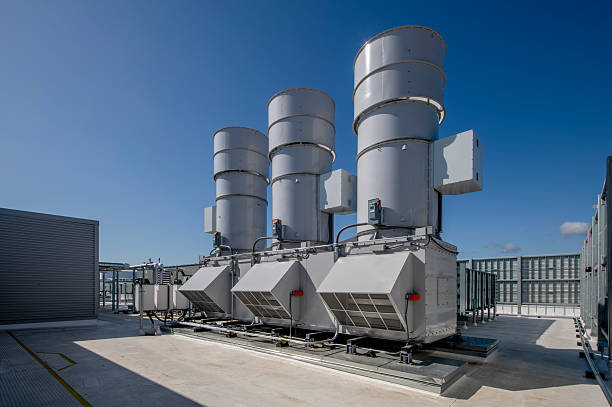
Understanding integrated design in ventilation systems
Integrated design means thinking about ventilation as part of the full building plan instead of treating it as a separate add-on. This approach looks at space use, air paths, climate, and daily human movement at the same time.
When everything connects well, ventilation systems work smoothly and deliver steady comfort. This also helps buildings feel natural and easy to live or work in.
How planning together makes airflow better
When ventilation is planned along with the building layout, air moves freely through rooms and corridors. Designers study how people move, where heat builds up, and how fresh air can enter easily.
This helps avoid blocked air paths and uneven airflow. As a result, rooms feel balanced, and fresh air reaches all corners without effort.
Matching ventilation with building use
Different spaces need different air flow levels. Kitchens, meeting rooms, and living areas all have their own needs. Integrated design, supported by tools like 3d bim modeling services, studies how each area is used during the day. Ventilation systems then support these patterns naturally, helping indoor air feel fresh and pleasant at all times.
Working with natural air movement
Buildings already interact with outdoor air through windows, doors, and open spaces. Integrated design respects this natural movement. Ventilation systems support these flows instead of fighting them. This harmony keeps air circulation steady and supports indoor comfort.
Better indoor comfort through integrated planning
Comfort is not only about temperature. Fresh air, even flow, and quiet operation all play a role. Integrated design brings these factors together in a balanced way.
Stable temperature across rooms
When ventilation planning connects with insulation, layout, and airflow paths, temperature stays even across rooms. No space feels too warm or too cool. People can relax or focus better in such environments.
Quiet operation and calm spaces
Noise control improves when ventilation parts like a butterfly valve are placed thoughtfully within the system. Integrated design considers sound paths and room use, so air moves smoothly without disturbing the space. This keeps homes and offices calm and peaceful, which supports daily comfort and focus.
Consistent fresh air supply
Fresh air reaches every area when systems work as one unit. Integrated planning avoids air build-up in corners or closed rooms. This creates a clean and refreshing indoor feeling throughout the building.
Energy efficiency benefits through integration
Integrated design supports smart energy use by aligning ventilation with building structure and daily use. This approach helps systems work efficiently without extra effort.
Smart airflow routing
Air travels shorter and clearer paths when systems are planned early. This reduces unnecessary movement and supports smooth operation. Buildings feel comfortable while using energy wisely.
Balanced system sizing
Integrated design allows accurate system sizing based on actual space needs. Systems are neither too small nor oversized. This balance helps maintain steady air quality and supports long-term system health.
Support for natural cooling
Ventilation that works with building orientation and openings supports natural cooling during suitable conditions. This reduces dependency on heavy mechanical use and keeps indoor spaces comfortable.
Improved system reliability and lifespan
Ventilation systems benefit when all parts work together smoothly. Integrated design supports long-term reliability and easy care.
Reduced strain on components
When airflow paths are clear and balanced, system parts operate smoothly, and elements like barn fans support steady air movement across large spaces. This steady operation supports longer service life and dependable performance.
Easy access for care
Integrated planning includes space for maintenance access. This allows simple checks and smooth upkeep. Systems stay in good condition and continue to perform well over time.
Smooth coordination with other systems
Ventilation systems work alongside lighting, insulation, and layout. Integrated design helps these systems support each other. This coordination keeps the building running smoothly as a whole.
Health and well-being through better air quality
Indoor air quality plays a key role in daily well-being. Integrated ventilation planning helps maintain clean and fresh indoor air naturally.
Steady removal of indoor pollutants
Air moves consistently through rooms and removes indoor pollutants efficiently. Integrated design supports this steady flow without sudden changes. Indoor spaces feel light and fresh.
Support for humidity balance
Proper airflow helps maintain balanced indoor humidity. This creates a comfortable atmosphere and supports overall well-being.
Fresh air for active spaces
Areas with higher activity levels receive appropriate air flow. Integrated design studies how people use spaces and supports healthy air exchange accordingly.
Flexibility for future needs
Buildings change over time as usage patterns shift. Integrated ventilation design supports easy adjustments and long-term adaptability.
Support for space changes
When walls move or rooms change use, integrated systems can adjust smoothly. This flexibility keeps ventilation effective without major changes.
Ready for future upgrades
Integrated planning allows easy addition of new control options or airflow improvements. Buildings stay updated and useful over time.
Long-term building value
Buildings with well-planned ventilation feel modern and comfortable for years. This adds lasting value and supports positive impressions.
Everyday comfort in homes and workplaces
Integrated ventilation design supports daily life in simple and natural ways. People may not notice the system, but they feel the comfort it provides.
Better focus and relaxation
Fresh air and stable temperature help people stay focused at work and relaxed at home. Integrated systems quietly support these moments.
Pleasant shared spaces
Meeting rooms, living rooms, and common areas feel inviting when air flows smoothly. This supports social interaction and daily activities.
Support for all age groups
Comfortable air quality supports children, adults, and seniors alike. Integrated planning keeps spaces welcoming for everyone.
Why integrated design matters more today
As buildings become more thoughtful and people spend more time indoors, ventilation planning plays a bigger role. Integrated design helps buildings support modern life naturally.
Smarter use of space
Integrated ventilation works with architecture to use space wisely. This keeps rooms open, breathable, and comfortable.
Alignment with building goals
Every building has goals like comfort, efficiency, and long-term value. Integrated ventilation planning supports these goals from day one.
Positive experience for occupants
People enjoy spaces where the air feels fresh and balanced. Integrated design helps create these positive daily experiences.
Final thoughts
Integrated design improves ventilation system performance by connecting planning, layout, and daily use into one smooth approach. It supports steady airflow, comfortable temperatures, and fresh indoor air in a natural way. Homes and workplaces feel calm, balanced, and pleasant. This thoughtful planning supports long-term comfort and creates spaces where people enjoy spending time every day.