Structural design is often associated with dramatic architectural features or visible finishes, but professionals know that the true success of any space begins beneath the surface. From the stability of the subfloor to the materials chosen for load-bearing elements, every decision made at ground level affects longevity, safety and performance. A well-designed structure does not happen by accident; it is the result of careful planning, precise engineering and a deep understanding of how materials interact over time.
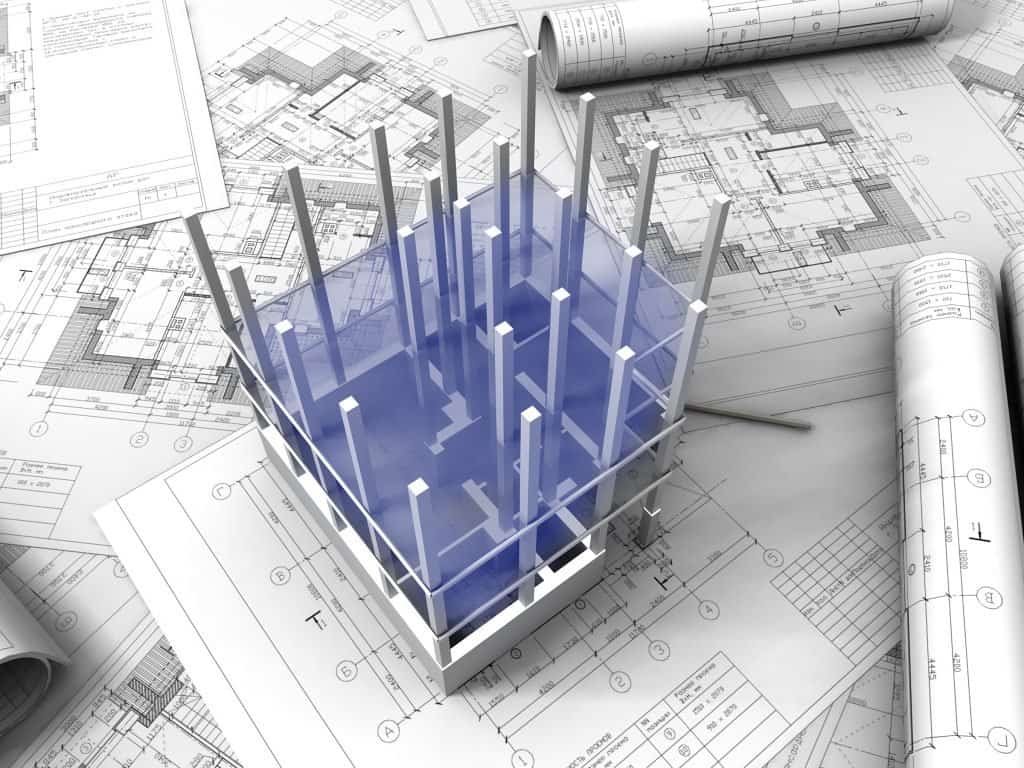
Foundations Define Everything Above
The foundation is the single most critical component of any structure. It distributes weight evenly, prevents movement and protects against environmental stress. Professionals prioritise soil assessment before construction begins, as the characteristics of the ground determine the type of foundation required. Clay-heavy soils, for example, expand and contract with moisture, while sandy soils drain quickly but may shift under pressure.
A strong foundation ensures the entire building remains stable. Without it, cracks, uneven surfaces and structural fatigue can develop. By investing time in proper groundwork, professionals prevent costly repairs and ensure that everything built above remains secure and aligned.
Material Integrity and Long-Term Performance
Structural design is not only about strength in the present but also resilience in the future. Professionals select materials based on their durability, load-bearing capacity and resistance to wear. Concrete, natural stone and reinforced timber are frequently chosen because they provide dependable support while adapting well to environmental changes.
Surface materials also play a role in protecting structural layers. Finishes such as zellige tiles by Quorn Stone are valued not only for their aesthetic appeal but for their durability and ability to perform reliably over stable, properly constructed substrates. When the structural base is sound, the finish retains its integrity and appearance for far longer.
Managing Moisture and Environmental Factors
Moisture is one of the greatest threats to structural stability. Over time, water infiltration can weaken materials, cause swelling and contribute to mould or rot. Professionals address this risk early by incorporating damp-proof membranes, proper drainage systems and ventilation strategies.
Subfloor preparation is particularly important in this regard. Ensuring that moisture cannot accumulate beneath flooring prevents long-term damage. This proactive approach protects both the structural components and the visible finishes, maintaining performance and appearance for years.
Environmental considerations extend beyond moisture. Temperature fluctuations, humidity and air movement all influence how materials behave. Professionals select materials and construction methods that accommodate these natural changes, reducing stress on the structure as conditions shift.
Precision and Structural Balance
Accuracy during installation is essential. Even small inconsistencies in levelling or alignment can create weaknesses that worsen over time. Professionals use precise measurements, specialised tools and proven techniques to ensure each structural element fits perfectly within the overall design.
Load distribution is another key priority. Weight must be transferred evenly across beams, joists and foundations to prevent strain in any one area. This careful balancing ensures the structure remains stable, even under constant use.
Precision also affects the quality of finishes. A perfectly level base allows flooring, walls and fixtures to sit correctly, improving both performance and visual appeal.
Integrating Strength with Design Vision
Structural professionals do not view strength and aesthetics as separate concerns. Instead, they understand that structural integrity enhances design potential. When the base is stable and reliable, architects and designers have greater freedom to create spaces that feel refined and cohesive.
This integration allows structural elements to support not only physical loads but also the visual identity of a space. Materials can be layered confidently, knowing the foundation will maintain alignment and support over time.
Planning for Adaptability and Longevity
Modern structural design also considers how spaces may evolve. Buildings are rarely static; they are adapted, renovated and repurposed. Professionals anticipate this by designing structures that can accommodate change without compromising stability.
Flexible structural systems, reinforced foundations and durable materials ensure that spaces remain functional even as needs shift. This forward-thinking approach extends the lifespan of the structure and reduces the need for major interventions.
The Invisible Work That Ensures Visible Success
While finishes and décor attract attention, the true success of any building lies in the unseen work beneath. Structural professionals prioritise stability, precision and durability from the very beginning, knowing that every layer depends on the strength of the one below it. By focusing on proper groundwork, material performance and environmental protection, they create spaces that not only look impressive but stand the test of time.