Commercial solar in Illinois is not just a trend that looks good on a press release, because it can change how a business thinks about operating costs, risk, and long-term planning. Electricity is a recurring expense that touches almost every part of a company, from lighting and HVAC to refrigeration, manufacturing, and data systems. Solar takes a portion of that expense and turns it into an owned energy asset, which is a different mindset than paying a utility bill that keeps shifting. That shift matters most for businesses that want stability while still leaving room to grow.
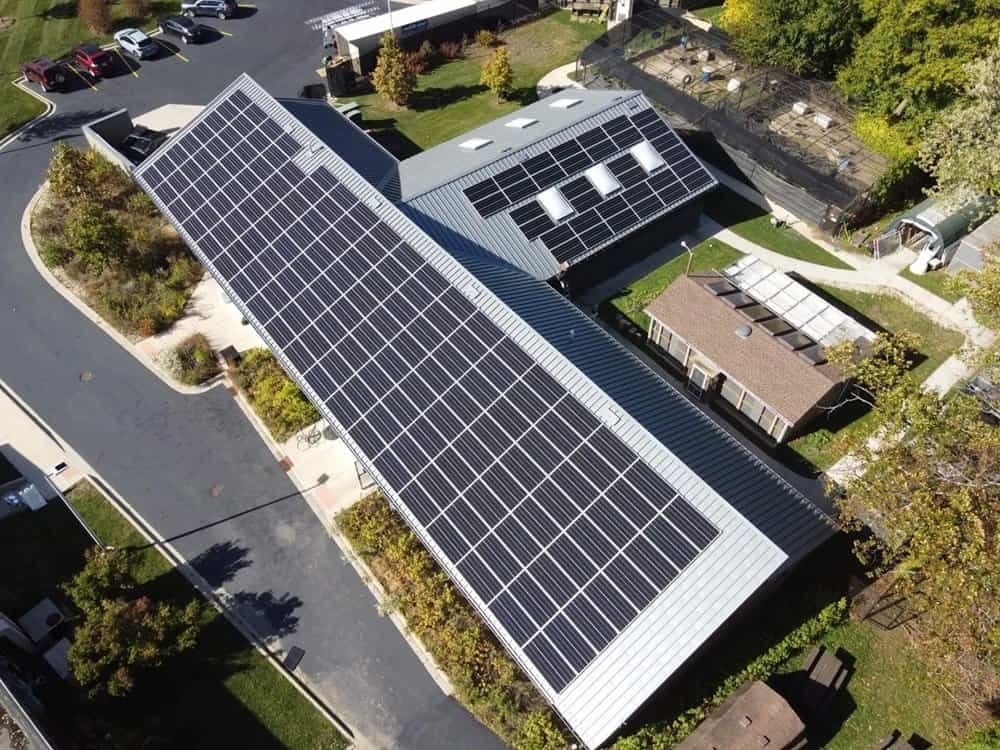
Illinois is also a practical place to go solar because businesses deal with big seasonal swings, high summer cooling loads, and winter heating demands that can stress energy budgets. A well-designed commercial system can produce meaningful power across the year, and colder temperatures can support solid panel performance when the sun is out. The best results come from smart engineering, clean installation, and a plan that matches how the facility actually uses energy. With that foundation in mind, here are the top ten benefits Illinois businesses can expect from commercial solar panels.
1) More Predictable Energy Costs Over the Long Term
A commercial solar system can turn part of your electricity expense into a predictable, planable cost, which helps when you are budgeting across quarters and years. Utility rates can rise for reasons your business cannot control, including fuel costs, infrastructure upgrades, and demand spikes. Solar reduces how much electricity you have to buy, which reduces how exposed you are to those changes. Predictability is valuable because stable overhead makes it easier to price services, forecast margins, and plan hiring without constant cost anxiety.
This benefit feels even more real when your business runs energy-heavy equipment, since large loads amplify every rate change. A solar system is not a magic shield against every utility cost, but it can flatten the curve and make increases less painful. Good system design focuses on offsetting the most expensive, most consistent usage patterns, rather than chasing an unrealistic goal of covering everything. When solar is sized correctly, it becomes a steady tool for cost control instead of a complicated experiment.
2) Strong Return Potential with Multiple Ways to Structure the Project
Commercial solar is flexible, which matters because businesses have different priorities around cash flow, capital spending, and risk. Some companies prefer ownership because they want the long-term savings and asset value on the building. Other companies prefer structured options that reduce upfront spend, especially when capital is needed for equipment, inventory, or expansion. A quality solar partner can walk through the tradeoffs clearly, since the best structure is the one that fits your business model, not the one that looks best in a generic case study.
Return potential also improves when projects are designed to minimize waste and maximize production where it actually matters. Good engineering considers roof condition, shading, electrical capacity, and load patterns so the system performs consistently. A realistic financial model includes maintenance assumptions and production expectations based on the site, not based on best-case marketing numbers. When the economics are built on practical inputs, decision-making becomes calmer and more confident.
3) Stronger Competitive Position Through Lower Operating Overhead
Lower energy overhead can make a business more competitive in ways that are not always obvious at first. If you can produce part of your power on-site, you reduce dependence on outside pricing and the risk that overhead eats into margins. That can give you flexibility to reinvest in the business, improve customer experience, or hold pricing steadier when competitors raise theirs. Solar can also support long-term planning because it shifts a variable expense into something closer to a controlled asset.
This advantage shows up in industries where margins are tight and energy costs are a meaningful slice of total operating expenses. Manufacturing, distribution, retail, cold storage, and healthcare facilities often feel energy shifts quickly because their usage is consistent and difficult to cut. Solar does not replace good energy management, but it complements it by making efficiency upgrades more valuable. When your facility runs cleaner and cheaper, you can compete from a stronger base.
4) Brand Trust and Credibility with Customers and Partners
Sustainability has become part of how many customers judge businesses, even when they do not say it directly. Solar panels are a visible, practical signal that a company invests in responsibility, long-term thinking, and modern operations. That can build trust with customers who prefer to buy from businesses that align with their values. It can also influence partners and vendors who want stable relationships with companies that manage risk thoughtfully.
The branding benefit is strongest when it is backed by substance rather than slogans. A solar installation that is measured, maintained, and integrated into operations tells a better story than vague environmental claims. Many companies also use solar as a recruiting advantage because employees often want to work for organizations that feel future-focused. When your building reflects your values, your brand becomes easier to believe.
5) Progress Toward ESG and Internal Sustainability Goals
Many businesses now track sustainability goals, whether for internal accountability, stakeholder expectations, or industry requirements. Commercial solar gives you a measurable, reportable way to reduce reliance on grid electricity and move toward cleaner operations. That is helpful because vague goals can feel abstract, while installed solar turns the conversation into numbers and performance. Measurement is part of quality management because it helps leadership evaluate progress without guessing.
This is also a long-term benefit because solar is not a one-time action that fades into the background. A well-monitored system can provide ongoing production reporting that supports annual sustainability updates and operational planning. Companies that take ESG seriously often appreciate projects that can be tracked, verified, and improved over time. Solar fits that approach because it creates a clear line between investment and ongoing impact.
6) Better Use of Roof Space and Facility Assets
Many commercial buildings have large roof areas that do not do much beyond keeping weather out. Solar turns that space into productive infrastructure without requiring new land acquisition or major operational disruption. That is particularly useful for businesses in developed areas where space is limited and expansion is expensive. A rooftop solar system can turn passive square footage into an active contributor to operating efficiency.
This benefit works best when the roof is assessed honestly before installation. A quality partner will review roof age, condition, and remaining life because solar should not be installed on a roof that will need replacement soon. Planning ahead can include roof upgrades or coordinated scheduling that reduces future headaches. When the roof and the solar system are treated as one coordinated asset, the building becomes more valuable and more functional.
7) Resilience Benefits When Paired with Storage or Backup Planning
Solar panels alone do not automatically keep power on during outages, but solar can be part of a broader resilience strategy. Many businesses in Illinois care about continuity because downtime can mean lost product, lost revenue, or safety risks. When solar is paired with thoughtful backup planning, it can reduce the impact of grid disruptions and help critical loads stay supported. Resilience planning is not one-size-fits-all, since different facilities have different priorities and risk tolerance.
This benefit is often as much about planning as it is about equipment. A quality approach starts with identifying critical systems, then building a strategy that fits operational realities. Some businesses focus on reducing peak demand stress and improving continuity for essential systems, rather than trying to power an entire facility during an outage. When resilience is designed deliberately, solar becomes more than an energy saver, because it becomes part of a continuity plan.
8) Reduced Exposure to Demand Charges and Peak-Use Pain
Many commercial utility bills include demand-related costs, which can rise when your facility draws a lot of power during short windows of time. Solar can help reduce demand stress during sunny periods, especially when peak usage overlaps with daylight hours. That overlap matters because it can soften the most expensive parts of the bill, not just the total energy usage. The result is often a bill that is not only lower, but also less volatile.
This benefit depends heavily on how your business uses energy. Facilities with heavy daytime loads tend to see clearer demand-related advantages than facilities that run mostly overnight. A quality solar provider will look at interval data and usage patterns to estimate how solar production lines up with your peaks. When the system is designed with bill structure in mind, the financial outcome tends to feel more intentional and less surprising.
9) Equipment and Building Benefits Through Heat Reduction and Shade Effects
Rooftop solar can reduce direct heat exposure on portions of the roof by shading the surface beneath the panels. That can lower roof temperature in those shaded areas and reduce thermal stress on roofing materials over time. In a place like Illinois, where seasonal expansion and contraction can be hard on building materials, reducing repeated heat strain can support roof longevity. The result is not always dramatic, but it can be meaningful when paired with proper roof design and ventilation.
This benefit is strongest when the installation is done with clean spacing, proper mounting, and careful attention to water flow. Poor installation can create drainage issues or roof penetrations that cause problems, which is why workmanship matters. A quality contractor treats flashing and sealing as a priority because the roof is still a roof first. When the roof stays healthy, the solar investment stays safer.
10) Stronger Community Impact and Local Economic Support
Commercial solar projects often create local economic activity, including design work, installation labor, electrical work, maintenance, and inspections. Choosing solar can support skilled trades and keep energy investment circulating in the region. Many Illinois businesses also like that solar aligns with broader goals around modern infrastructure and long-term economic resilience. Community impact can feel abstract, but it becomes real when local jobs and local expertise grow alongside adoption.
This benefit also connects to reputation, since businesses that invest locally often earn stronger community trust. Customers notice when companies put money into upgrades that improve operations rather than cutting corners. Solar can also encourage other businesses to modernize, which can strengthen the overall business environment in the area. When adoption spreads, the community benefits from improved infrastructure and a stronger culture of long-term planning.
How to Get the Most Out of Commercial Solar in Illinois?
The benefits above depend on one core factor: project quality from evaluation through installation and long-term support. A strong project starts with an honest site assessment, including roof condition, shading, electrical capacity, and real usage patterns. Good partners explain the plan clearly, set realistic expectations, and design around your facility’s needs rather than forcing your facility to fit a generic system. Clear documentation, thoughtful workmanship, and reliable monitoring turn solar from a purchase into a long-term asset.
Commercial solar panels in Illinois can deliver cost stability, competitive advantage, and a stronger brand story, but the real win is how these advantages stack over time. Predictable overhead supports growth decisions, operational efficiency supports margins, and visible sustainability supports trust with customers and employees. Solar works best when it is treated as part of the business strategy, not as a one-time upgrade. When the system is designed well and managed responsibly, it becomes a dependable piece of infrastructure that keeps paying you back.