Over the last few years, there’s been a significant increase in the popularity of modular and prefab homes. With inflation on the rise and people looking for ways to cut their spending however they can, these options often seem a much better choice than traditional homes.
They’re faster to construct, tend to cost less, and provide the ability to customize without starting entirely from scratch. But, like any type of housing, they come with their fair share of trade-offs. If you’re considering a modular or prefab home, here’s everything you need to know.
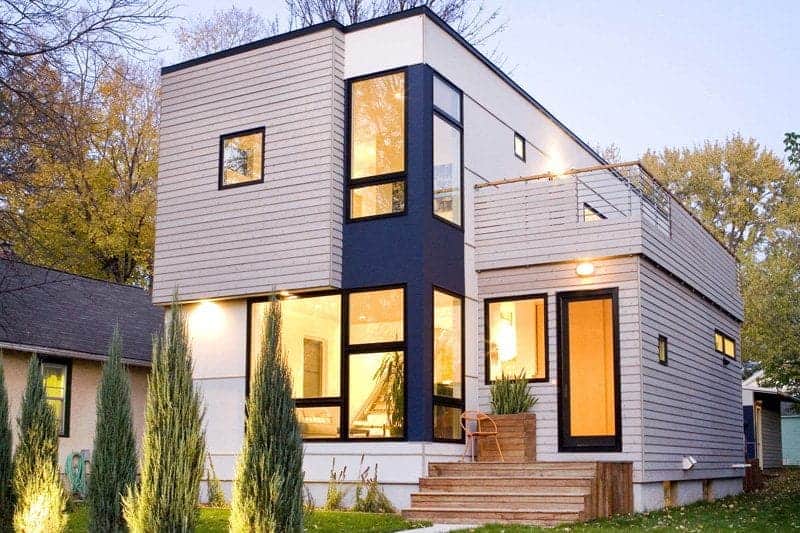
What Makes These Homes Appealing
Many people opt for modular and prefab homes due to the quick construction timeline. Since most of the work is done in a factory, the pieces arrive on your property ready to assemble, and the whole process usually takes far less time than building from the ground up. That can be a huge help if you need to move in promptly or want to avoid the delays that come with weather, permits, or a drawn-out construction schedule.
Cost is another big advantage—since prefabricated construction is more efficient, labor costs are lower, and there’s less wasted material and energy. And because the work happens indoors, away from wind, rain, and uneven ground, the build quality can actually be more consistent than a traditional home.
Then there’s the possibility of customization to think about. Prefab homes may come in modules, but you still often get to pick finishes, layouts, and features, giving you the chance to make the space feel like yours without the full hassle of a completely custom design.
Lastly, there’s a huge sustainability factor, as modular construction usually produces less waste than traditional builds. It’s also much simpler to integrate energy efficient upgrades for the home (like smart thermostats or LED lighting) when everything’s being made in a controlled environment. For anyone who cares about reducing environmental impact, that’s a major benefit.
The Potential Downsides
The biggest trade-offs with modular and prefab homes usually come down to flexibility and long-term value. You’re working within the designs and floor plans the company offers, so if you’ve really had your heart set on specific features or a layout that’s completely your own, that can be limiting. Even after the modules arrive, you still need to prepare the site and pour a foundation, which can add unexpected costs or logistical complications depending on your property.
Moving large sections of a home isn’t as simple as hauling in a moving van, so just getting the modules to your site is its own challenge. Transportation can become expensive and frustrating, particularly if you’re putting it in a spot that’s remote or has tricky access points.
And while prefab construction tends to produce less waste than traditional building, there’s still leftover materials from both site prep and assembly. Planning ahead for cleanup makes life a lot easier when you’ve already got so much going on at once. Renting a dumpster from a service like Temporary Dumpster is often the easiest way to handle material scraps, packaging, and debris, keeping the site tidy and making sure the leftovers aren’t getting in the way of your new home.
Conclusion
Modular and prefab homes can make the dream of a faster, more affordable, and customizable home a reality, but they’re not perfect. If you’re looking for complete creative freedom or want a highly unique architectural statement, they might not be the best choice. Take some time to weigh the pros and cons, and you can make a confident decision as to whether a modular or prefab home will work for you.