Walk down to your basement right now. Chances are you’ll find storage boxes, old furniture, maybe a forgotten treadmill — and hundreds of square feet of completely wasted potential. For millions of homeowners, the basement is the most underutilized asset in the entire house. Finish it correctly, and that dusty space can become a legal rental unit, a profitable Airbnb, or a polished in-law suite that pays for itself within a few years.
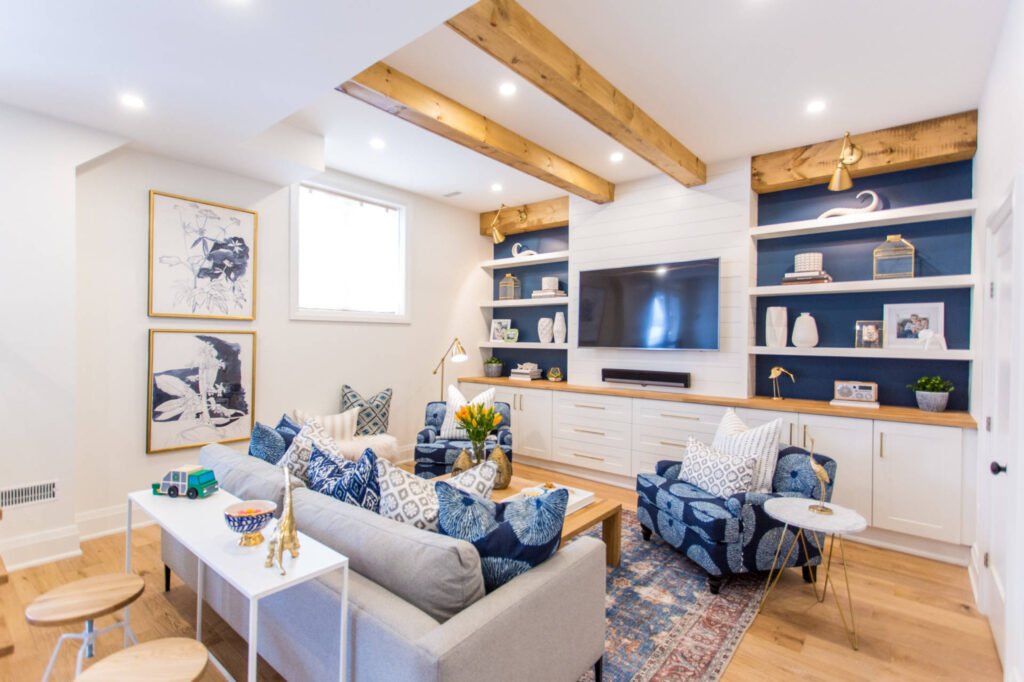
Here’s everything you need to know to go from raw concrete to a revenue-generating room — the smart way.
Is Your Basement a Good Candidate?
Before you invest a dollar, assess whether your basement is realistically finishable. The minimum ceiling height for a livable space is typically 7 feet — ideally 8 or more. Anything below that creates a cramped environment that’s hard to rent and may not meet local code.
Next, check for moisture. Water intrusion is the number one enemy of a finished basement. Look for efflorescence (white mineral deposits) on walls, musty odors, or visible cracks in the foundation. These issues must be resolved before any finishing work begins — not after. Skipping this step is how homeowners end up tearing out brand-new drywall six months later.
Also evaluate your egress options. Most jurisdictions require at least one egress window in any basement bedroom for safety reasons. If you don’t have one, budget for installation — it’s a non-negotiable for a legal rental unit.
Know the Rules Before You Build
Basement finishing almost always requires permits, and converting a basement into a rental unit carries additional legal considerations. ADU (Accessory Dwelling Unit) regulations vary significantly by city and county. Some municipalities have embraced ADUs as a solution to housing shortages; others have strict restrictions on separate dwelling units within a single-family home.
Before breaking ground, research your local zoning laws, check whether your HOA has relevant restrictions, and confirm what permits are required. A finished basement without proper permits can create serious problems when it comes time to sell — or worse, expose you to fines and mandatory tear-outs. Working with experienced general remodeling contractors ensures permits are pulled correctly from day one.
Choosing the Right Type of Revenue-Generating Space
Not every basement makes sense as every type of rental. Consider which option best fits your market, your home’s layout, and your own lifestyle:
- Long-term rental unit: Ideal for steady monthly income. Requires full kitchen, bath, and separate entrance.
- Short-term rental (Airbnb/VRBO): Higher per-night revenue but more management and furnishing investment.
- In-law or multigenerational suite: Adds family flexibility and significant resale value.
- Home gym or studio: Lower rental income but strong resale appeal and personal use value.
In high-demand markets like Chicago, a well-finished basement unit can generate $1,000–$2,500 per month in long-term rental income — enough to cover a mortgage payment or fund the next renovation phase.
What the Finishing Process Actually Involves
Finishing a basement is a multi-trade project. Here’s a realistic breakdown of what’s involved:
- Waterproofing and insulation: The foundation of everything. Don’t cut corners here.
- Framing and drywall: Defines the layout and room structure.
- Electrical and lighting: Below-grade spaces need strategic lighting to feel welcoming.
- Plumbing: Required for any bathroom or kitchenette — often the most complex and costly trade.
- Flooring: Luxury vinyl plank (LVP) is the top choice for basements — waterproof, durable, and attractive.
If your rental unit includes a bathroom, plan carefully. A well-designed basement bath is a major selling point for tenants. If you’re already investing in the space, consider upgrading finishes — the cost difference between standard and mid-range bathroom remodeling services is minimal compared to the rental premium a nicer bathroom commands.
Designing for Tenants, Not Just for Style
A basement rental has to function as someone’s actual home, not just look good in photos. Prioritize a separate entrance for privacy — both yours and your tenant’s. Soundproofing between floors is one of the most overlooked upgrades and one of the most appreciated by tenants. A quiet, private unit commands higher rent and retains tenants longer.
A small kitchenette dramatically increases the unit’s appeal and rental value. Even a compact layout with a sink, mini-fridge, and two-burner cooktop is enough to attract quality tenants. Similarly, investing in thoughtful kitchen remodeling services — even at a smaller scale — can meaningfully elevate the feel of the entire unit.
The Numbers: Cost vs. Revenue Potential
A basic basement finish typically runs $25,000–$50,000. A fully outfitted rental unit with bathroom, kitchenette, and separate entrance can run $50,000–$80,000 or more depending on scope and market. That sounds like a lot — until you run the numbers.
At $1,500 per month in rental income, a $60,000 basement conversion pays for itself in roughly 40 months — just over three years. After that, it’s pure return. And beyond rental income, a finished basement adds meaningful resale value to your home, often returning 70–75% of the project cost at sale even if you never rent it out.
Final Thoughts
Your unfinished basement isn’t wasted space — it’s an opportunity waiting for the right plan. With the right contractor, the right permits, and a design built around tenant needs, a basement conversion is one of the smartest investments a homeowner can make. The path from dusty storage room to income-producing asset is more straightforward than most people expect. The hardest part is simply getting started.