A plumbing emergency doesn’t wait for a convenient time.
It hits at midnight. On a Sunday. Right before the in-laws arrive.
And when it does — every single second counts.
The difference between an easy repair and thousands of dollars of water damage often boils down to one factor: response time. That’s why it’s not just helpful but essential for homeowners to know about plumbing repair services.
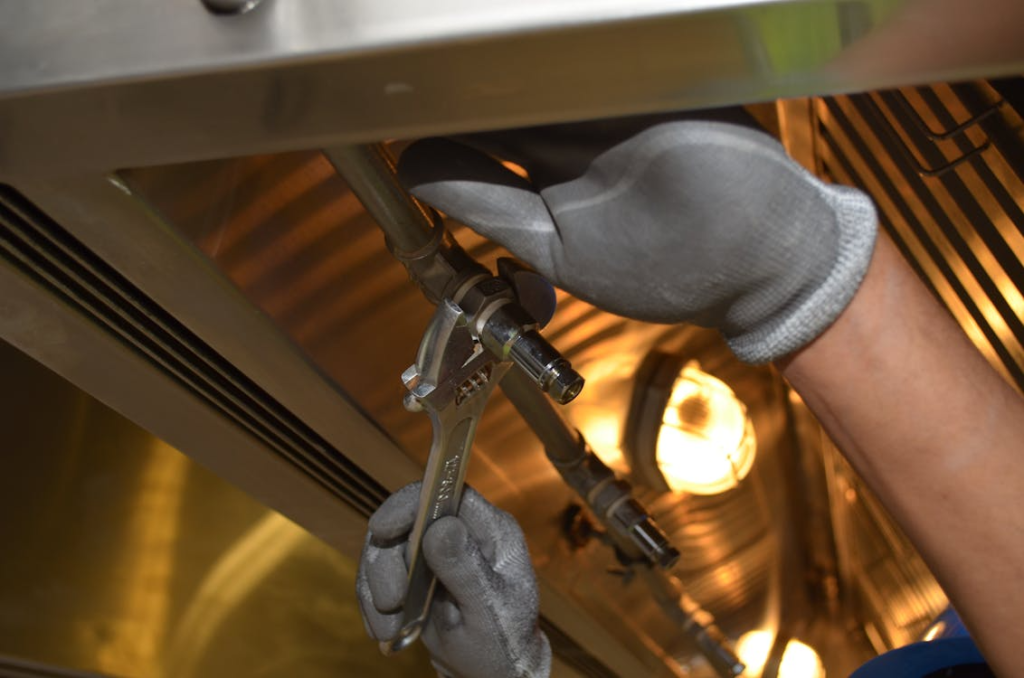
Whether your emergency is a busted pipe ripping through a wall or a hidden leak quietly rotting your floors away, knowing who to call (and what to do) can make all the difference. The best solution? Having expert plumbing repairs from a licensed professional waiting in the wings. Licensed plumbers show up prepared to diagnose quickly and repair it properly — guaranteed.
What You’ll Uncover:
- The Most Common Plumbing Emergencies
- How To Handle Each One Fast
- When You Absolutely Need A Professional
- Prevention Tips That Save Real Money
The Most Common Plumbing Emergencies
Not every plumbing problem is the same.
Some grow slowly and are only mildly irritating. Others can take over a room in less than five minutes and cause damage to floors and walls and even create health risks if untreated.
Here are the emergencies every homeowner should know:
- Burst or cracked pipes
- Severe water leaks behind walls or ceilings
- Backed-up or blocked drains
- Overflowing toilets
- Water heater failures
Here’s the reality…
14,000 American homeowners experience water damage each day — making it the second most filed homeowners insurance claim. Wind and hail are the only cause of damage that’s worse. Ignoring any of the above can put your home’s profile right into that same statistic.
Burst Pipes: The Worst-Case Scenario
A burst pipe is one of the most destructive plumbing emergencies there is.
A ruptured pipe can send hundreds of gallons of water rushing through your home in minutes. Which means soggy carpets, damaged drywall, and ruined flooring — along with a very large plumbing bill.
Burst pipes are most commonly caused by:
- Freezing temperatures that expand water inside the pipe
- Corrosion in older pipes that have exceeded their lifespan
- Excessive water pressure building over time
- Clogs that force dangerous pressure buildup
As soon as a burst pipe is suspected, turn off the main water valve to the home. Open all of the faucets to release water that’s left in the lines. Contact a plumber. Quickly.
Pipe tape and sealants may work to temporarily buy more time. However, for something permanent — call a plumber.
Water Leaks: Small Problem, Enormous Damage
Here’s something most homeowners don’t realise until it’s too late…
A small leak never stays small.
The typical American home wastes almost 10,000 gallons of water annually from unnoticed leaks. Water slowly seeps into walls, floors and ceilings — leading to mold, structural damage and expensive repairs that far exceed the original problem. In fact, water is responsible for 45% of all indoor property damage in the United States. That’s more than fires and break-ins combined.
Letting even a little drip go unchecked is one of the costliest errors a homeowner can make.
Signs of a hidden leak to watch for:
- Unexplained increases in the monthly water bill
- Water stains or discoloration on walls or ceilings
- The sound of running water when nothing is turned on
- Musty odors near walls, under sinks, or in cabinets
- Soft spots or sagging in floors
Any one of these warrants a call to professional plumbing repair services right away.
Clogged Drains: More Serious Than They Look
A slow drain is easy to dismiss.
Clogged sink? Easy to fix. Multiple drains backing up simultaneously? A totally different issue. If more than one drain is clogged at once, there is most likely a problem deep in the sewer line. A plumber needs to be called, immediately.
If only one drain is clogged, try using a plunger or simple drain snake to fix it. Avoid chemical drain cleaners — they corrode pipe walls and can cause more problems in the future.
Stubborn or repeating clogs require mechanical means — such as a hydro-jetter that blasts high-pressure water through the obstruction without harming the pipe.
Pretty effective, right?
Overflowing Toilets: Act Right Now
An overflowing toilet is a health hazard, not just a mess.
Turn off the water valve at the bottom of the toilet. If it continues to run, lift the lid off the tank and press down on the flapper valve.
A toilet that runs constantly can waste up to 200 gallons of water every day — all the while adding hundreds to the water bill with no puddle in sight.
When To Call For Professional Plumbing Repair Services
Some plumbing problems can reasonably wait until morning.
Others absolutely cannot.
Call a licensed professional immediately for any of the following:
- A burst or visibly cracked pipe
- Water actively leaking from a ceiling
- Sewage backup or foul odors coming from drains
- Complete loss of water pressure throughout the home
- Any gas smell combined with a plumbing issue
Do not delay on these. The price of procrastination is always — always — more expensive than resolving quickly.
Prevention Tips That Save Real Money
Prevention is always cheaper than repair.
A few straightforward habits can dramatically reduce the risk of a plumbing emergency:
- Schedule annual plumbing inspections to catch small issues before they escalate
- Locate the home’s main water shut-off valve prior to an emergency
- Insulate exposed pipes before winter to prevent freezing and cracking
- Never flush anything except toilet paper down toilets
- Keep grease, coffee grounds, and food scraps out of kitchen drains
- Address dripping faucets and worn washers early — before they worsen
These habits take very little effort but generate significant savings.
That’s A Wrap
Emergency plumbing problems don’t wait around — and the cost to fix them continues to rise the longer the wait.
To quickly recap:
- Identify the problem early
- Shut off the water supply immediately
- Call a licensed professional for a fast, permanent fix
- Invest in regular maintenance to stop it from happening again
Professional plumbers are there to ensure that the process is quick and hassle-free. Don’t wait until the ceiling is leaking to find a trustworthy plumber — find one now.