Heavy rainstorms can expose weaknesses in a home that may go unnoticed during normal weather conditions. One of the most common problems homeowners experience after major storms is water entering the basement. Even small leaks can lead to costly damage if they are not addressed quickly.
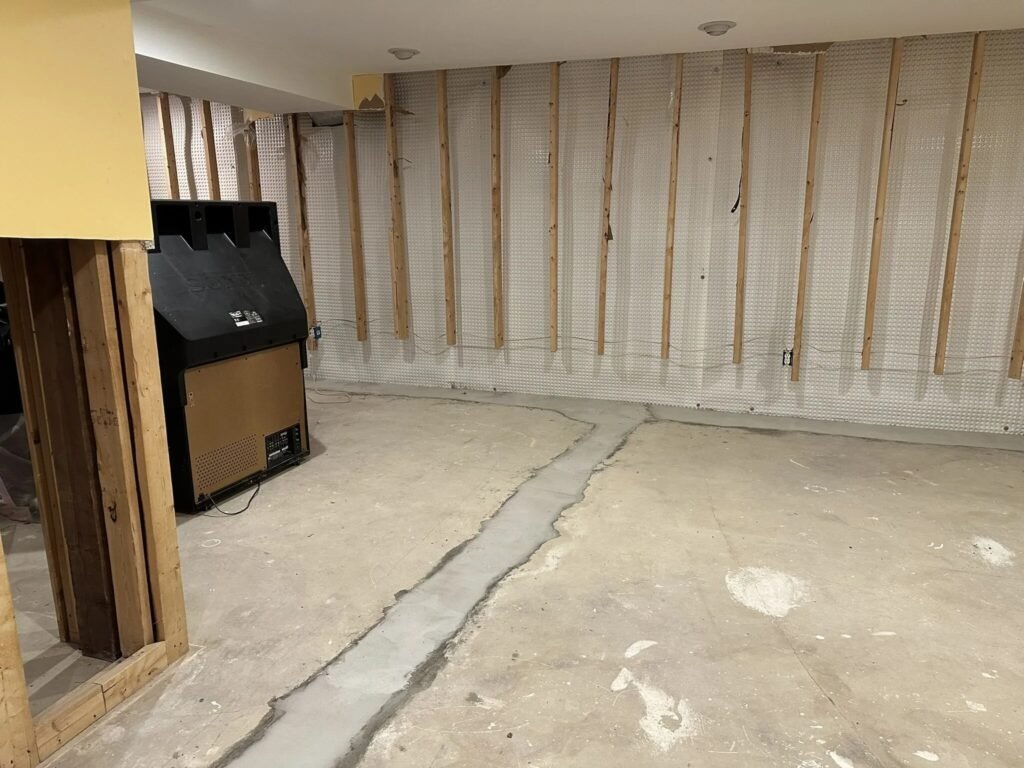
Basement leaks are rarely caused by a single issue. In most cases, multiple factors work together to allow water to enter the home during periods of intense rainfall. Understanding the most common causes can help homeowners take preventative action before serious water damage occurs.
Hydrostatic Pressure Around the Foundation
One of the leading causes of basement leaks is hydrostatic pressure. When heavy rain saturates the soil surrounding a home, groundwater builds up around the foundation walls. As pressure increases, water looks for paths of least resistance to enter the basement.
Even small cracks or weak areas in concrete can allow moisture to seep through when enough pressure is present. Over time, repeated exposure to excess groundwater can worsen existing foundation vulnerabilities.
Homes located in areas with poor drainage or naturally high water tables are often more susceptible to hydrostatic pressure problems.
Foundation Cracks
Foundation cracks are another common entry point for water during storms. Concrete naturally expands, contracts, and settles over time, which can lead to small cracks forming in basement walls or floors.
While some minor cracking may be normal, water can still enter through these openings during periods of heavy rainfall. In some cases, cracks may continue to grow if the surrounding soil shifts or if excess moisture weakens the structure over time.
Homeowners should regularly inspect their basement for visible cracks, damp spots, or signs of water staining.
Poor Exterior Drainage
Improper drainage around the home is one of the biggest contributors to basement leaks. When rainwater is not directed away from the foundation, it collects near the basement walls and increases the risk of water intrusion.
Several drainage issues commonly contribute to this problem, including:
- Clogged gutters
- Short downspouts
- Improper yard grading
- Blocked exterior drains
- Standing water near the home
Ideally, the ground around the home should slope away from the foundation so rainwater naturally drains outward instead of pooling against the basement walls.
Failing Sump Pumps
Many homes rely on sump pump systems to remove excess groundwater during storms. However, sump pumps can fail for several reasons, especially during severe weather when they are needed most.
Power outages, clogged discharge lines, aging equipment, or lack of maintenance can all prevent a sump pump from functioning properly. Without a working sump pump, water may quickly accumulate in the basement during heavy rainfall.
Testing the system regularly and performing routine maintenance can help reduce the risk of failure during major storms.
Window Well Leaks
Basement window wells can also become vulnerable during intense rainstorms. If the window well does not drain properly, water can collect around the basement window and eventually leak inside.
Leaves, debris, and clogged drains are common causes of overflowing window wells. Older basement windows with deteriorating seals may also allow water to enter more easily during storms.
Keeping window wells clean and ensuring proper drainage can help minimize this risk.
Why Early Prevention Matters
Many homeowners do not notice basement water issues until damage becomes severe. Unfortunately, even occasional leaks can create long-term problems if left untreated. Excess moisture can contribute to mold growth, damaged flooring, weakened drywall, and structural deterioration over time.
Addressing water intrusion early is often far more affordable than dealing with major repairs later. Working with experienced professionals like ACM Basement Waterproofing can help homeowners identify the source of basement leaks and develop long-term solutions tailored to their property.
Heavy rainstorms are unavoidable, but serious basement water damage often is not. By understanding the common causes of leaks and taking preventative measures, homeowners can better protect their homes, belongings, and foundations from costly water intrusion.