Cable ties look like a simple purchase until you need a few million of them. At volume, small differences in material, tensile strength and supplier reliability turn into real costs: failed installations, delayed projects and stock that sits in a warehouse because it does not match the spec.
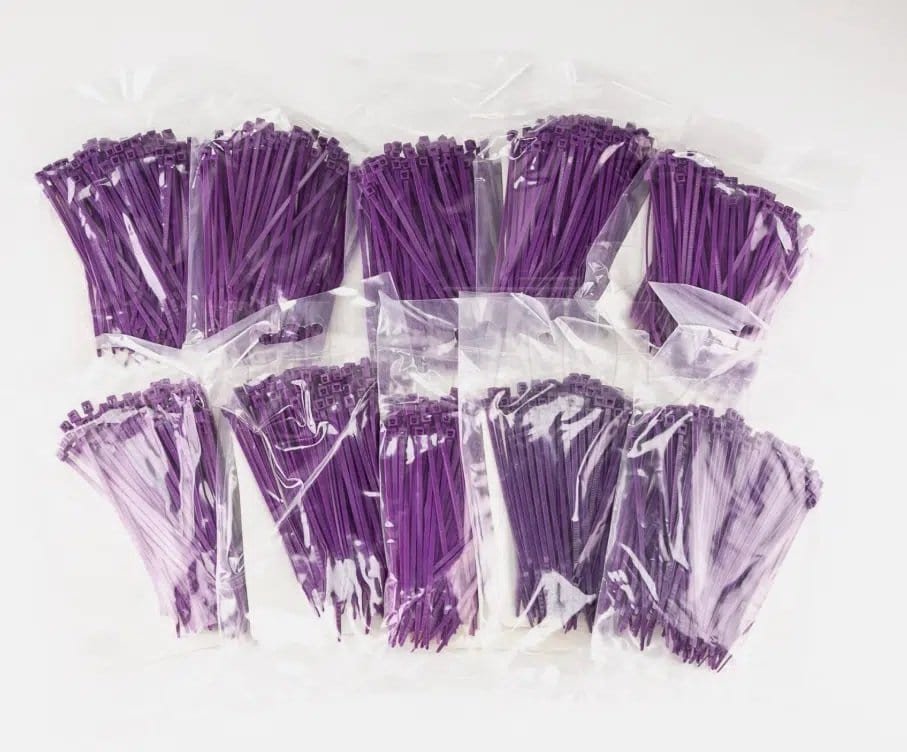
This guide walks through how procurement managers, distributors and contractors can source cable ties in bulk with fewer surprises, from defining the spec to getting the container on the water.
1. Start with the Specification, Not the Price
The most common bulk-buying mistake is asking suppliers for “your best price on cable ties.” Without a clear spec, every quote compares different products. Before contacting anyone, pin down:
- Material: nylon 66 for general use, UV-stabilised nylon for outdoor runs, stainless steel 304 or 316 for heat, corrosion or marine environments, polypropylene for chemical exposure.
- Size and tensile strength: length, width and the minimum loop tensile rating your application needs.
- Temperature range: standard nylon ties typically work from around -40°C to +85°C; anything hotter needs heat-stabilised or metal ties.
- Colour and marking: colour-coding, printed text or logos.
- Packaging: bag count, carton size and labelling, especially if you resell.
A written spec sheet makes quotes directly comparable and protects you if a shipment arrives out of spec. It also gives less technical stakeholders a clear picture of exactly what is being bought.
2. Understand Minimum Order Quantities
Manufacturers run cable ties on injection-moulding lines, and every changeover costs time. That is why factories set minimum order quantities. For nylon ties, a MOQ of around 10,000 pieces per item is common; stainless steel ties often start lower, around 5,000 pieces.
If your need is a few hundred pieces, a local distributor or retailer is the better route. If you are buying tens of thousands or more, going direct to the manufacturer usually makes more sense.
3. Factory-Direct vs. Buying Through Middlemen
Many “suppliers” found online are trading companies that buy from a factory and resell. That is not always bad, since they can consolidate mixed orders, but each layer adds margin and slows down communication about quality issues.
Buying from a cable ties factory gives you three advantages at volume: lower unit cost because no reseller margin is added, direct access to the people who control moulding and material, and faster answers when you need a spec change. To confirm you are talking to a real manufacturer, ask for factory photos or a video call from the production floor, and check how long the company has been making ties rather than just selling them.
4. Check Certifications and Test Samples
For electrical and industrial use, certifications matter. Look for ISO 9001 quality management, UL recognition for electrical applications, and RoHS/REACH compliance for the EU market. Ask for certificates issued in the manufacturer’s own name, not a parent company’s or a material supplier’s.
Then test samples before you commit. A simple incoming check covers:
- Loop tensile strength against the rated value
- Consistency of dimensions across a random sample
- Head and pawl locking, including no slippage under load
- Colour and print quality if the ties are custom
5. Plan Around Lead Times and Capacity
Lead time is where bulk orders most often go wrong. Ask each supplier for the time from confirmed order to shipped container, not just production time. Experienced manufacturers with large capacity can often ship within 15 to 30 days; smaller workshops may quote 45 days or more once they are busy.
Capacity matters for repeat orders too. A supplier that makes a few million pieces a month may handle your first order well but struggle when you scale. Ask directly about monthly output and how they handle peak season.
6. Agree on Shipping and Payment Terms
Get the trade terms in writing. Most bulk cable tie orders from Asia ship FOB (the supplier delivers to the port and you arrange freight) or CIF (the supplier covers freight and insurance to your port). Name the exact term and port in your purchase order, so both sides know where cost and risk pass from seller to buyer.
On payment, a deposit with the balance against shipping documents is standard. Established manufacturers usually accept a range of methods, so choose one that gives you a record and some protection.
7. Consider Custom and Private-Label Options
Once you are buying at volume, custom products often cost little more than standard ones and add real value. Printed ties carry cable IDs, warnings or your brand; custom colours support colour-coding systems; private-label packaging lets distributors sell under their own name.
Suppliers that offer custom cable ties at the same MOQ and lead time as their standard range make this easy to test: you can trial a branded line without committing to a much larger order.
A Quick Bulk-Sourcing Checklist
- Written spec: material, size, tensile, temperature, colour, packaging
- Confirmed manufacturer, not an unverified trading company
- Certificates in the supplier’s own name
- Samples tested before the main order
- Lead time quoted from order to shipped container
- Monthly capacity that covers your future volume
- Incoterms and payment terms agreed in writing
Final Thoughts
Bulk cable tie sourcing rewards preparation. Buyers who define the spec, verify the manufacturer and agree terms up front get consistent quality and predictable delivery. Buyers who chase the lowest quote usually pay for it later. Treat your supplier as a long-term production partner, and the cable ties become the least of your worries.