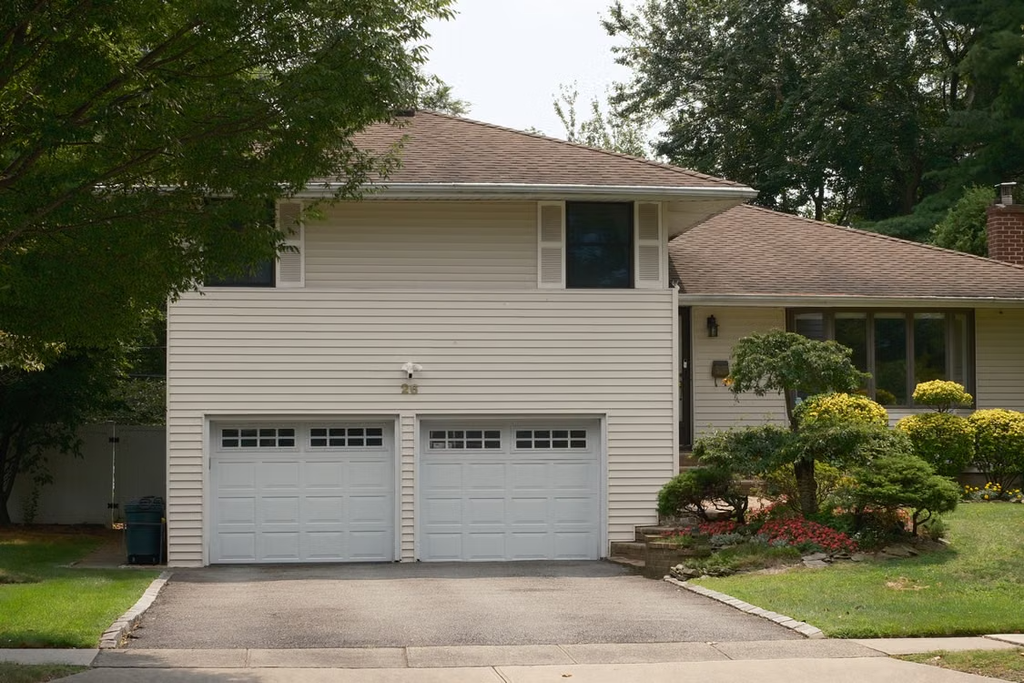
When was the last time you actually looked at your garage door?
Not just pressing the button. Really looked at it.
Most homeowners don’t think about it. Your garage door is the largest moving part of your home. It opens and closes several thousand times per year. And it usually receives no attention until something goes wrong. And by then…
It’s too late.
Here’s the problem:
An unmaintained garage door is an invitation for trouble. Trouble for burglars to get into your home. Trouble for your energy bills to skyrocket. Preventative garage door maintenance takes care of both troubles before they take money from you (or worse, your valuables).
What’s inside this guide:
- Why Your Garage Door Is A Security Risk
- How A Worn Garage Door Drains Your Energy Bills
- The Preventive Garage Door Maintenance Checklist
- When To Call In A Professional
Why Your Garage Door Is A Security Risk
Think about it from a burglar’s point of view.
The front door is visible from the street. Your neighbors can see it. Someone likely has a camera trained on it.
The garage door? That’s a different story.
Police departments have been telling people this for years. In one district of the Madison Wisconsin police department, 69% of burglary reports involved break-ins through the overhead garage door or side garage door. More than two out of every THREE breaks-ins!!!!
Wait… There’s more… Many of these forced entries do not require force. Criminals exploit doors that fail to close, locks that fail to latch or opener overrides.
And that’s where preventative garage door maintenance plays a role. Loose rollers, a misaligned sensor or a weary spring could cause your door not to close all the way. It could also reverse and leave itself wide open while you’re at work. Preventative maintenance catches these problems before they happen, keeping your door closing tightly every time. And should something fail when you need it most (a broken spring at 10pm, a door stuck open the day before you leave on vacation), it helps to know who to call for a trusted emergency garage door service so your home isn’t vulnerable all night.
A well-maintained door is a locked door.
Here are the security weak spots to keep an eye on:
- Misaligned safety sensors: Dirty sensors or ones that aren’t aligned properly can cause doors to reverse and remain open.
- Worn locks and latches: A loose manual lock is easy to force.
- Old openers: Older opener models use hardcoded codes that are easier to duplicate.
- Damaged panels: Dents and cracks can weaken the door and allow it to be pried open more easily.
Police even caution people against leaving openers in plain sight in a vehicle parked in the driveway. That little plastic remote is like handing over the key to your house to a thief.
How A Worn Garage Door Drains Your Energy Bills
Now for the part most homeowners never think about…
Your garage door is a huge hole in the side of your house. If your garage is attached to your house, any hot or cold air that enters wants to move to other areas next to it. Rubber seals on the bottom and sides dry out, crack and shrink over time. Cracks appear. And your climate controlled air flows right in.
So your heating and cooling system must work harder to maintain comfort levels.
More work = bigger energy bills.
Fixes are generally inexpensive. The NRDC says the typical American household can save 15% of heating and cooling costs simply by weatherstripping doors and windows. The garage door is the largest door most people own, so why not start there?
Pretty simple, right?
Here’s what eats away at a garage door’s energy efficiency:
- Cracked or flattened bottom seals
- Worn weatherstripping along the sides and top
- Gaps from a door that isn’t sitting level
- Damaged or missing insulation panels
The good news is that all 4 will be found during routine preventive maintenance of your garage door. Replacing a worn bottom seal can be accomplished in under an hour and for a small fraction of what you’ll pay for another year of increased bills.
The Preventive Garage Door Maintenance Checklist
So what should you actually be doing?
You don’t have to be a nutty scientist. Most of these tests take just minutes. And you only need to do them twice a year. Try spring and fall, just before the temperatures peak.
Look And Listen
Open/close the door and listen. Is it sticking? Is it grinding or squealing? A quiet door that moves smoothly is a healthy door. Noise typically indicates something is worn or dry.
Lubricate The Moving Parts
Lubricate the rollers, hinges and springs with a garage door lubricant (NOT thick grease). This reduces wear and helps things to operate smoothly.
Test The Safety Features
Set something, such as a roll of paper towels under the door, then close the door. Your door should reverse immediately upon making contact with the object. If it doesn’t…your door is unsafe and needs to be repaired.
Check The Seals
Run your eyes along the bottom edge of the door with it closed. Do you see light? If there is, that means air (and bugs, and rainwater) is entering. The seal’s gotta be replaced.
Tighten The Hardware
Garage doors move frequently. Bolts and brackets will loosen over time with all that motion. Tightening with a wrench now and then will ensure everything is secure.
Don’t attempt to tighten or fix springs or cables yourself. They are under extreme tension and can snap back injuring you severely. That is a job for the professional.
When To Call In A Professional
DIY checks are great. But they don’t replace a proper inspection.
A professional will find issues you never would, such as a spring nearing its end or a track slowly becoming misaligned. Most professionals recommend servicing once per year.
Kind of like when you service your car. You can put oil in yourself but you still get it serviced.
Call a pro straight away if you notice:
- The door won’t open or close fully
- A loud bang from the garage (often a broken spring)
- The door is hanging crooked
- Cables that look frayed
Closing The Door On Bad Habits
Routine garage door maintenance is one of the simplest steps you can take to safeguard your home and reduce your energy costs. It doesn’t cost much. It doesn’t take very long. And it prevents minor issues from becoming big, costly repairs.
To quickly recap:
- A badly maintained door is an easy way in for burglars
- Worn seals let heated and cooled air escape
- A few minutes of checks twice a year makes a huge difference
- A yearly professional inspection catches the hidden problems
Your garage door does a lot for you day in and day out … Return some care and it will keep your home safe, secure and comfortable for years to come.