Camlock couplings look simple. Lock the arms, connect two hoses, and you’re done – right? But a surprising number of leaks, blowouts, and equipment failures trace back to installation errors that are entirely avoidable.
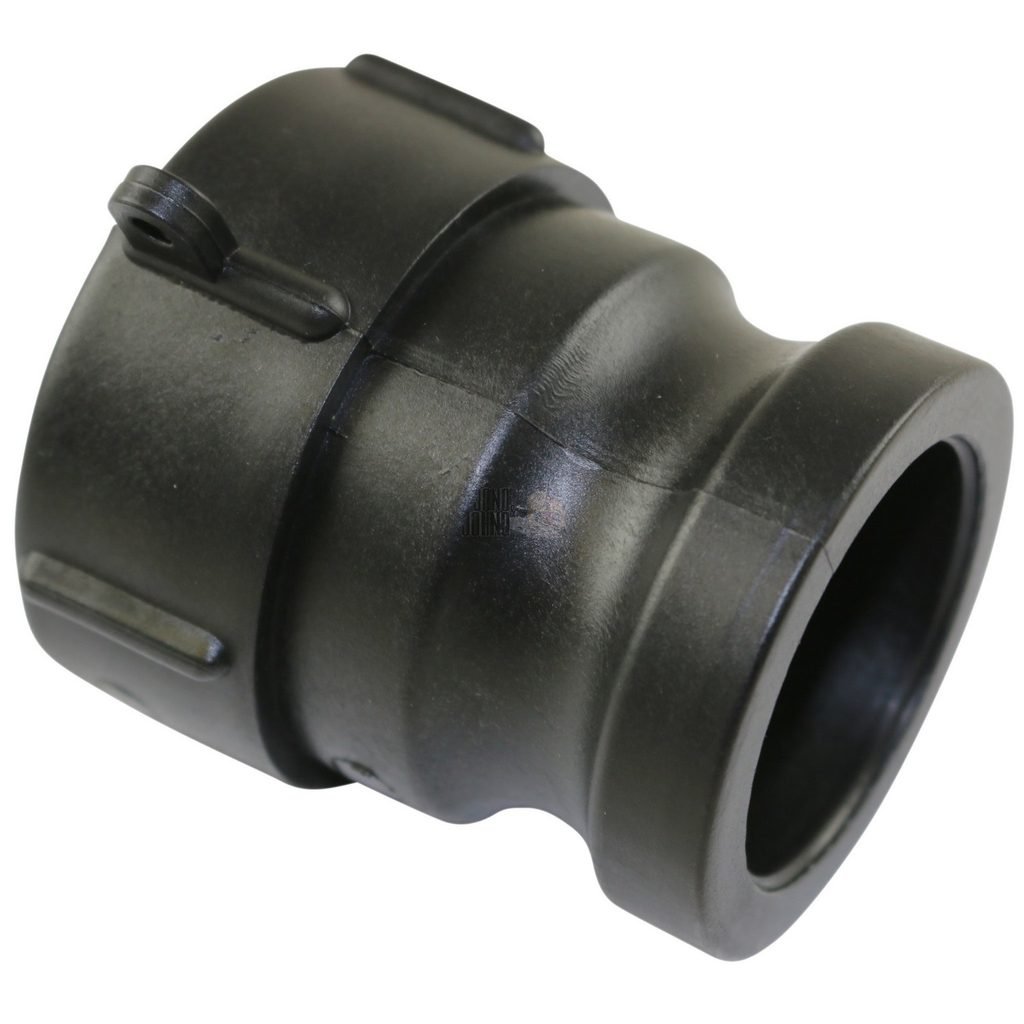
These errors turn up across irrigation, construction, and farm water transfer setups throughout Australia. Here are six of the most common problems – and what to do instead.
Using the Wrong Gasket Material
The gasket plays an important role in keeping a camlock connection secure and preventing leaks. When choosing camlock fittings for water transfer hoses, it’s worth checking that the gasket material is suitable for the liquid being transferred. EPDM is commonly used for water and mild chemicals, Buna-N (NBR) is generally suitable for petroleum products, and silicone is often used in food-grade or high-temperature applications.
Using whatever gasket is available might seem convenient, but it can lead to problems over time. An incompatible gasket may swell, deteriorate, or lose its seal, causing slow leaks that aren’t always easy to trace back to the fitting.
Always check the manufacturer’s compatibility chart before installing a new gasket. For standard water transfer applications, EPDM is often a suitable choice, provided it’s compatible with the operating conditions. Taking a few minutes to check the material can help prevent leaks and unnecessary maintenance.
Mismatching Coupling Sizes
Camlock fittings are sized in nominal bore measurements half inch, three-quarter inch, one inch, and so on. A male and female coupler from different manufacturers will often look close enough to connect, but a slight mismatch in diameter or thread pitch means the cam arms can’t seat properly.
The joint might feel locked. It probably isn’t. Under pressure, a mismatched coupling can separate without warning, which is a serious safety risk on any water transfer or chemical transfer line.
Buy couplers as matched pairs where possible. And if you’re sourcing replacements for an existing setup, measure the actual bore and the cam arm profile before ordering – don’t rely on the hose diameter alone, because nominal bore and hose OD don’t always correspond directly.
Failing to Seat the Gasket Before Locking
A gasket that sits slightly off-centre before you lock the cam arms will stay off-centre. The locking action doesn’t correct misalignment – it locks in whatever position the gasket is already in.
You’ll often get a connection that passes a quick visual check but leaks under load. In dirty field conditions, it’s easy to miss a gasket that’s seated at an angle, especially on larger bore fittings where the recess is deeper.
Get into the habit of pressing the gasket firmly into its recess and running a finger around the full circumference to confirm it’s flat before you bring the two halves together. It takes about five seconds and it’s the kind of check that saves a lot of rework.
Cross-Threading on Hose Barb Fittings
Camlock couplers with threaded hose barb tails are particularly susceptible to cross-threading, especially on site where fittings get changed out quickly. Cross-threading strips the threads on the barb or the hose fitting, which means neither piece can form a proper seal – even with thread tape applied.
The tell-tale sign is resistance that feels like progress but isn’t. Stop if a barb doesn’t seat smoothly by hand. Back it off completely and try again at a slightly different angle, because forcing it is how a two-dollar fitting turns into a hose assembly that needs full replacement.
Thread tape applied over a cross-threaded joint only hides the problem temporarily. The tape compresses unevenly, and the connection will fail under pressure.
Over-Tightening or Forcing the Cam Arms
Cam arms lock by hand. That’s the whole point of the camlock system – fast connection, no tools needed. Reaching for a hammer or wrench to push the arms past their natural lock point won’t give you a better seal. It deforms the coupler body and distorts the cam profile.
A deformed cam arm can’t apply even pressure across the gasket face. What you get is a connection that looks locked but leaves a gap on one side. Repeated over-tightening also cracks the arms over time, particularly on aluminium and plastic body fittings common in agricultural setups.
If a cam arm needs force to close, the problem is elsewhere – wrong size, dirty or damaged seating face, or a gasket that’s too thick. Fix the actual cause.
Ignoring Pressure and Temperature Ratings
Every camlock fitting carries a working pressure rating and a temperature range. These aren’t conservative suggestions – they’re the limits at which the body material, the gasket compound, and the cam arm design can reliably contain the fluid.
Running a polypropylene fitting at the same pressure you’d use for an aluminium or stainless coupling is a mistake that happens regularly on farm and construction sites where fittings get swapped between tasks. Polypropylene has a much lower pressure tolerance and performs poorly at elevated temperatures. Push it past its rating and the body can crack without warning.
Check the rating stamped or moulded onto the fitting before you connect it to a pump or a pressurised line. If there’s no visible rating, don’t guess – replace it with a fitting you can confirm.
Conclusion
The most common camlock hose fitting installation mistakes follow a few consistent patterns: wrong materials, mismatched sizes, skipped checks, and pressure ratings ignored in the rush to get a system running. Every one of them is preventable with a short pre-connection routine – right gasket, matched bore, clean seating face, correct body material for the pressure and temperature involved. Build those checks into your process and you’ll spend far less time chasing leaks.