Most site delays do not start with a dramatic breakdown. A generator trips overnight, a pump loses prime, or a unit runs hot for a week before anyone notices. By the time the crew arrives, the problem has already cost a morning.
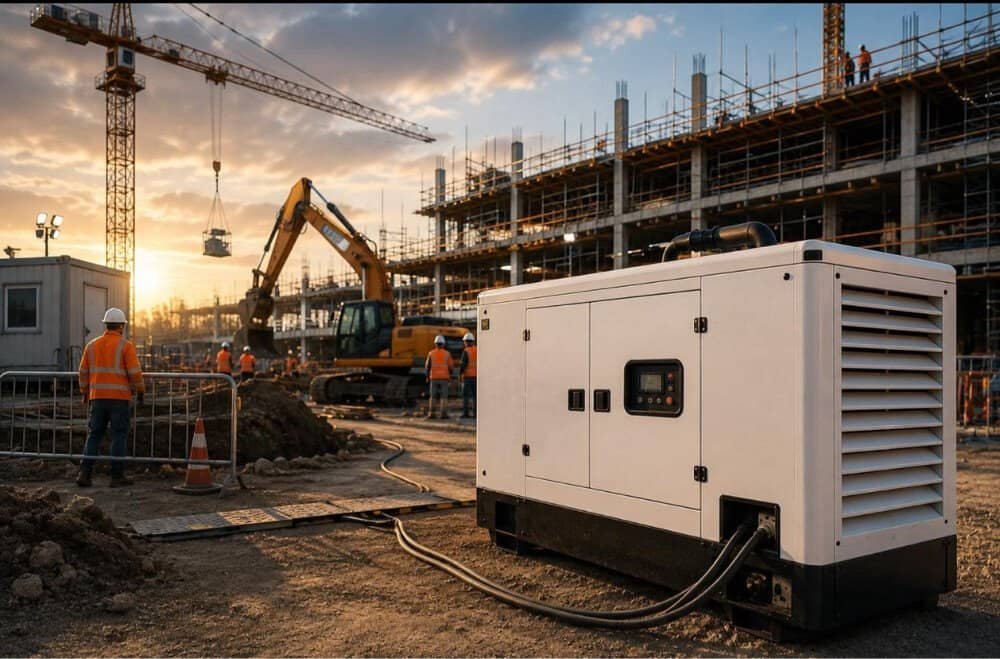
Temporary power and pumping equipment work hard in poor conditions. They sit in mud and dust, run for long hours, and often get less attention than the machines that move earth. A short, regular inspection routine is the cheapest way to keep them reliable.
This article covers why this equipment fails when it does, which speed, vibration and temperature checks catch problems early, and how to turn them into a routine a site team will actually follow.
Why Site Equipment Fails at the Worst Time
Generators and pumps rarely fail without warning. Wear, contamination and heat build slowly, and each leaves a trace long before the unit stops. A fuel filter clogs a little more each week. A bearing gets louder. A coolant level drops by a small amount each day.
The problem is that these signs are easy to miss when nobody owns the inspection. Equipment that runs unattended through the night or sits at the edge of the site gets checked only when something goes wrong. A written routine with a named person fixes that.
Checks That Catch Trouble Early
Speed and Governor Signals
A generator set must hold a steady engine speed to keep its output frequency stable, and a pump delivers flow in proportion to how fast it turns. Engine speed signals feed the governor and the monitoring panel, and learning how variable reluctance sensors work makes it easier to spot a weak signal before the unit shuts down.
Warning signs include a tachometer that jumps or drops to zero, an engine that hunts up and down at steady load, and nuisance shutdowns with no clear cause. When these appear, check the sensor gap, look for metal debris on the sensor tip, and inspect the cable for damage or loose connectors before replacing anything.
Vibration and Noise
New vibration or noise usually means something has changed. Bearings wear, couplings drift out of alignment, and pumps that run dry or draw in air start to rattle. Walk the equipment while it is running and note anything that sounds or feels different from last time. Loose mounting bolts and worn vibration pads are easy to fix and common to find.
Temperature and Fluids
Heat is the clearest sign of stress. Check coolant level, oil level and oil condition, and look for leaks under the unit. Make sure radiators and vents are free of dust and debris, since blocked airflow is one of the most common causes of overheating on dusty sites. Touch-check or infrared-check bearing housings on pumps and compare them with the same point on last week’s walk.
Build a Simple Inspection Routine
A checklist works only if it is short enough to finish. Keep a laminated card at each unit and have the operator sign it off. A useful daily pass covers:
- Fuel, coolant and oil levels, plus any visible leaks
- Gauge readings for speed, pressure and temperature at normal load
- Unusual noise, vibration or exhaust color
- Air intakes, vents and filters free of dust and debris
- Battery terminals, cable connections and enclosure doors secure
A weekly pass can go deeper, with a look at belts, hoses, mounting bolts, fuel water separators and the condition of sensor wiring. Log the readings. A single number means little, but a trend across several weeks shows a problem forming.
When to Call a Technician
Not every issue is a site fix. Bring in a qualified technician when the following show up:
- Repeated shutdowns or fault codes that return after a reset
- Oil pressure or coolant temperature outside the normal range
- Metal particles in the oil or filters
- Electrical faults, burning smells or tripped protection devices
Equipment in hazardous areas, such as near fuel storage or in confined spaces, may have additional safety and certification requirements, so do not substitute parts without checking the rating.
Keep Equipment Ready Before the Next Job
Preventive maintenance does not need to be complicated. A daily walk-around, a weekly deeper check and a habit of logging readings catch most problems while they are still small. Before the next mobilization, review how often each generator and pump is inspected, who signs off on it, and what the team does when a reading looks wrong. A few minutes spent on that routine costs far less than a morning lost to a unit that stopped without warning.