Pavers are a popular choice for driveways, patios, walkways, and pool decks because they combine durability with visual appeal. Available in different materials, colors, and patterns, they allow property owners to create attractive outdoor spaces that complement their homes. However, even high-quality pavers require regular maintenance to preserve their appearance and structural integrity.
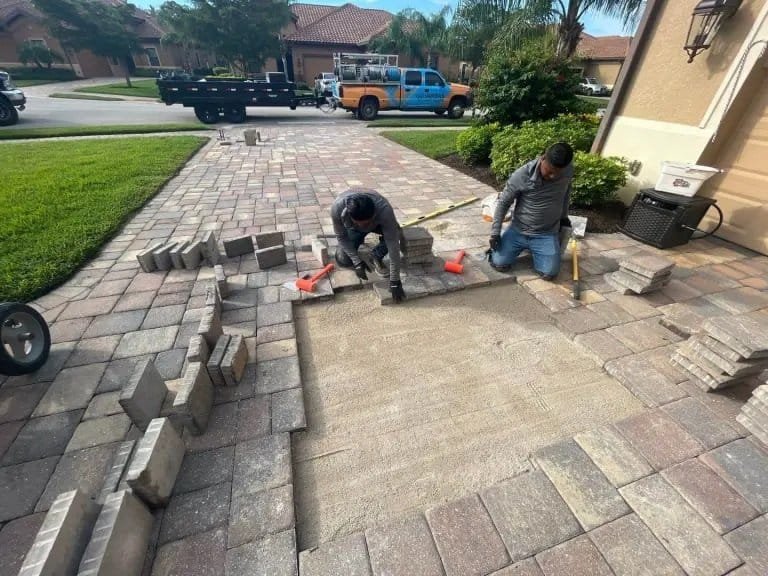
Exposure to sunlight, rain, moisture, dirt, and everyday foot or vehicle traffic can gradually affect paved surfaces. Without proper care, discoloration, loose joint sand, stains, and organic growth may become noticeable. Understanding how to maintain pavers correctly helps homeowners protect their investment while keeping outdoor areas functional and attractive for years.
1. Understand What Causes Paver Deterioration
Although pavers are designed to withstand outdoor conditions, they are not completely resistant to environmental damage. Continuous exposure to ultraviolet rays can gradually fade certain surfaces, while moisture may contribute to staining, algae, and other organic growth.
Heavy traffic also places pressure on paved areas. Driveways, for example, experience repeated vehicle weight that can affect the stability of individual pavers, particularly when the underlying base has not been properly prepared.
Another common issue is the gradual loss of joint sand. Sand fills the spaces between individual pavers, helping maintain their position and limiting the movement of debris into the joints. When these spaces become empty, weeds may develop and the surface can become less stable.
Recognizing these problems early makes maintenance easier and can help prevent minor concerns from developing into expensive restoration projects.
2. Why Regular Cleaning Makes a Difference
Routine cleaning is one of the most important parts of maintaining an attractive paved surface. Dirt, leaves, oil, food spills, and other contaminants can accumulate over time, making outdoor spaces appear neglected.
However, cleaning pavers requires more attention than simply using a pressure washer. Excessive water pressure or incorrect techniques can displace joint sand, damage delicate materials, or create uneven areas.
A suitable cleaning approach depends on the type of pavers and the condition of the surface. Concrete pavers may require different treatment from natural materials such as travertine, limestone, and marble.
For heavily soiled surfaces, professional cleaning can help remove stubborn stains and organic buildup. Working with a professional paver sealing company can also help property owners understand which cleaning methods and protective treatments are appropriate for their specific outdoor surfaces.
3. The Importance of Joint Sand and Surface Stability
Joint sand plays an essential role in maintaining the performance of an interlocking paver system. It fills the spaces between individual units and helps limit unwanted movement.
Over time, rainwater, cleaning activities, and regular use can gradually remove this material. Once the joints become depleted, pavers may shift, creating uneven sections that affect both appearance and usability.
Replenishing the joints with appropriately graded sand helps restore the connection between individual pavers. Proper installation is equally important because the material must settle correctly within the available spaces.
Property owners should periodically inspect paved areas for missing sand, visible gaps, and movement. Addressing these conditions early can reduce the likelihood of more extensive repairs and help preserve the original installation.
4. How Paver Sealing Adds Long-Term Protection
Paver sealing provides an additional layer of protection against several common environmental challenges. Depending on the product selected, sealants can help reduce staining, limit moisture absorption, and protect surfaces against certain forms of weather-related deterioration.
Another advantage is the improvement in appearance. Some sealants enhance the natural color of pavers, creating a richer finish, while others preserve a more natural appearance without adding noticeable gloss.
The right product depends on the material, surface condition, and desired result. Porous natural stone, for example, may require a different protective treatment from conventional concrete pavers.
Proper preparation is essential before applying any sealer. The surface should be thoroughly cleaned, joints should be appropriately filled, and the pavers should be sufficiently dry according to the manufacturer’s instructions. Applying sealant without addressing existing problems can compromise the final result.
5. Build a Consistent Maintenance Routine
Long-term paver care is more effective when maintenance becomes part of regular property management rather than something homeowners consider only when visible damage appears.
Start by inspecting driveways, walkways, patios, and pool decks several times throughout the year. Look for fading, stains, loose joints, shifting pavers, and signs of organic growth.