Generac generators usually cost between $3,700 and $8,000 for many home standby models. If you’re wondering how much Generac generators cost, the total installed price often ranges from $8,000 to $16,000.
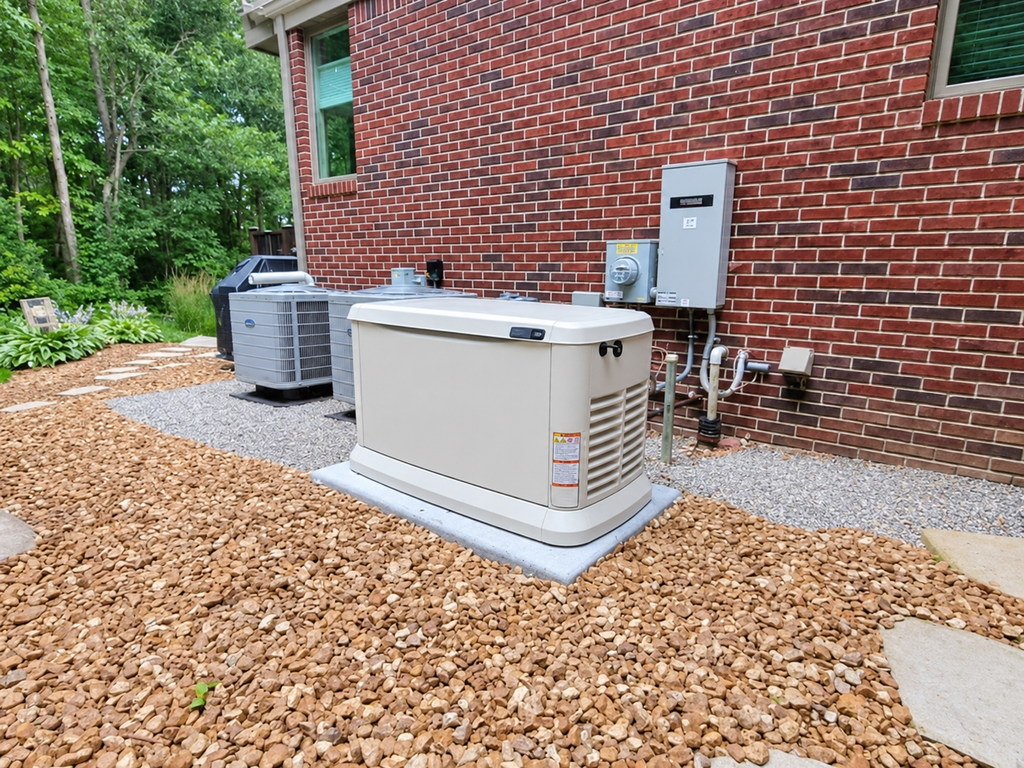
The final price depends on generator size, fuel connections, labor, and your property’s needs. These systems provide backup electricity during power outages and help keep essential appliances running.
Knowing the main costs can help you choose the right generator for your home.
Key Takeaways
- Generac generators typically cost $3,700 to $8,000 for many residential models, while full installations often range from $8,000 to $16,000.
- The cost of a whole-house generator depends on size, fuel type, labor, permits, and any needed electrical upgrades.
- Professional installation includes site preparation, fuel connections, an automatic transfer switch, and safety inspections.
- Regular maintenance helps keep Generac generators reliable, while proper sizing prevents extra spending and supports essential appliances during outages.
How Much Does a Generac Generator Cost?
Generac prices depend on the model, power output, and included equipment. Smaller units can run essential circuits, while larger systems support more appliances. The right choice depends on your home’s power needs and budget.
Generac Generator Prices by Size
Here are estimated starting prices for selected Generac standby models, before installation:
- 10 kW generator: Starting at $3,769.
- 14 kW generator: Starting at $4,889.
- 22 kW generator: Starting at $6,119.
- 24 kW generator: Starting at $6,559.
- 25 kW generator: Starting at $13,669 for a commercial-grade residential model.
These prices may vary by model, dealer, and available features. When comparing Generac generators for sale, check what each package includes. Some systems include transfer equipment, while others require extra purchases.
What Is the Total Installed Price?
A complete residential generator system often costs between $8,000 and $16,000. This price includes the generator, labor, permits, and basic installation materials. Homes that need major electrical or fuel upgrades may cost more.
The final quote should cover the full project, not just the equipment. Ask contractors to explain each expense before work begins. This helps you compare prices and avoid surprise charges.
What Factors Affect Generac Generator Pricing?
Several factors determine the cost of a Generac system after installation. Generator size is a major expense, but fuel connections and site conditions also matter. Understanding these factors can help you plan a realistic budget.
Generator Size and Power Requirements
Finding the best generator for home backup power starts with knowing your home’s energy needs. Refrigerators, heating systems, air conditioners, and sump pumps all use different amounts of power. Larger generators can support more equipment but usually cost more.
Common generator sizes include:
- 10–14 kW: Supports selected essential circuits and smaller household loads.
- 18–22 kW: Can power more appliances when sized for the home’s needs.
- 24–26 kW: Provides broader coverage for homes with higher power demands.
- Above 26 kW: May suit larger properties with greater electrical needs.
These ranges are general guides and do not guarantee full-home coverage. An electrician should calculate your power needs before recommending a model.
The calculation must also include the extra electricity some appliances need when starting.
Fuel Type and Property Conditions
Most Generac standby generators run on propane or natural gas. Homes with an existing natural gas line may need less work to connect the generator. The contractor must still check if the gas supply can handle the added demand.
Homes without gas service may need a propane tank and new fuel line. The fuel supply must provide enough gas for the generator to operate safely. Long trenches, uneven ground, or limited access can also raise installation costs.
Generac Generator Installation Costs Explained
Professional installation involves more than placing a generator outside your home. Contractors must prepare the site, connect the fuel supply, and install the electrical equipment. Local permits and inspections may also affect the final price.
Main Installation Expenses
Your total costs may include:
- Site preparation: Leveling the ground and preparing a stable base.
- Fuel connections: Adding gas piping, fittings, or supply upgrades.
- Electrical connections: Installing wiring, conduits, and transfer equipment.
- Permits: Paying local fees for required approvals and inspections.
- Labor: Hiring qualified contractors to install and test the system.
A home standby generator uses an automatic transfer switch to manage backup electricity. This device disconnects the home from utility power before the generator takes over. It also prevents electricity from flowing back into utility lines.
Some homes need upgrades to the electrical panel or nearby wiring. All electrical work must follow local codes and safety rules. These requirements can raise the price but help keep the system safe.
For professional generator-related electrical work, homeowners can contact Grounded Electric NJ to discuss transfer switches, panel upgrades, and installation requirements.
A written estimate also makes it easier to compare contractors.
How Is a Generac Generator Installed?
The generator installation process usually starts with a review of your home’s power needs. The contractor checks the available space, fuel supply, and local building rules. These details help determine the right equipment and installation plan.
The physical installation may take one or more days, depending on the project. Permits, equipment delivery, and utility work can extend the timeline to several weeks. Planning these steps early may help prevent delays.
Step-by-Step Installation Process
A typical installation includes these steps:
- Calculate your home’s power needs and choose the generator size.
- Select an outdoor location with the required safety clearances.
- Obtain permits and schedule any needed utility work.
- Prepare the foundation, including a concrete pad when required.
- Connect the generator to the approved fuel supply.
- Install the transfer switch and complete all electrical connections.
- Inspect, start, and test the generator system.
The electrical system must disconnect from utility power before the generator starts supplying electricity. Contractors test the transfer switch and check that fuel reaches the unit safely. They also confirm that the system works as expected during testing.
Additional Expenses Homeowners Often Overlook
The advertised generator price rarely covers the full project. Extra expenses may include fuel piping, electrical upgrades, site preparation, or added equipment. These costs can rise when the property needs more work than expected.
One homeowner reported spending about $10,097 on an 18 kW Generac project after planning to spend $6,000. Extra expenses included wiring, fuel connections, and equipment to start the air conditioner.
This example shows why a detailed estimate matters before installation.
Ask contractors to list every included part and service. Check whether the quote covers permits, fuel connections, inspections, and system testing. A clear breakdown helps you understand where your money goes.
How Much Does Generac Generator Maintenance Cost?
Maintenance expenses depend on the generator model, running hours, and local service rates. Routine care includes oil checks, filter changes, inspections, and system testing. Fuel use during long outages can also add to ownership costs.
Generac maintenance schedules vary by model and how often the generator runs. Follow the owner’s manual for service intervals and required tasks. Regular care helps prevent problems and supports long-term reliability.
Some homeowners choose annual service plans for added convenience. Others schedule maintenance based on the manufacturer’s instructions. Both approaches should include regular checks and timely repairs.
Is a Generac Generator Worth the Investment?
A backup generator can help homes that experience frequent power outages. It can keep refrigerators, heating equipment, and selected appliances running when utility service stops.
Automatic operation also provides peace of mind when no one is home.
The value depends on your household needs and local outage patterns. Homes with essential medical equipment or frequent flooding concerns may benefit from steady backup power.
Other households may only need a smaller system for essential circuits.
Compare the purchase price with installation, fuel, and maintenance expenses. Think about which appliances must stay on during an outage. This can help you avoid paying for more power than you need.
How to Get an Accurate Generac Generator Quote
The best way to estimate your project is through an on-site assessment. Ask contractors to review your power needs, fuel source, and available outdoor space.
They should provide a written quote that covers equipment, labor, permits, and any required upgrades.
Generac generator costs range widely because every home has different needs. A complete system typically costs more when major site or utility work is required. Comparing detailed quotes can help you find a fair price.
Before choosing a contractor, review warranty coverage and future service needs. Confirm that the price includes the generator, required inspections, and final testing. A properly sized and installed system can provide reliable backup power for years.