Choosing the right equipment can make a significant difference to how smoothly a construction project runs. Whether you’re preparing a building site, installing infrastructure or managing a large commercial development, the machinery you select will influence productivity, safety and overall project costs.
However, selecting construction equipment isn’t simply about choosing the biggest or most powerful machines available. Equipment needs to suit the work being performed, the conditions on site and the people operating it. Making the wrong choice can lead to unnecessary expenses, delays and avoidable safety risks.
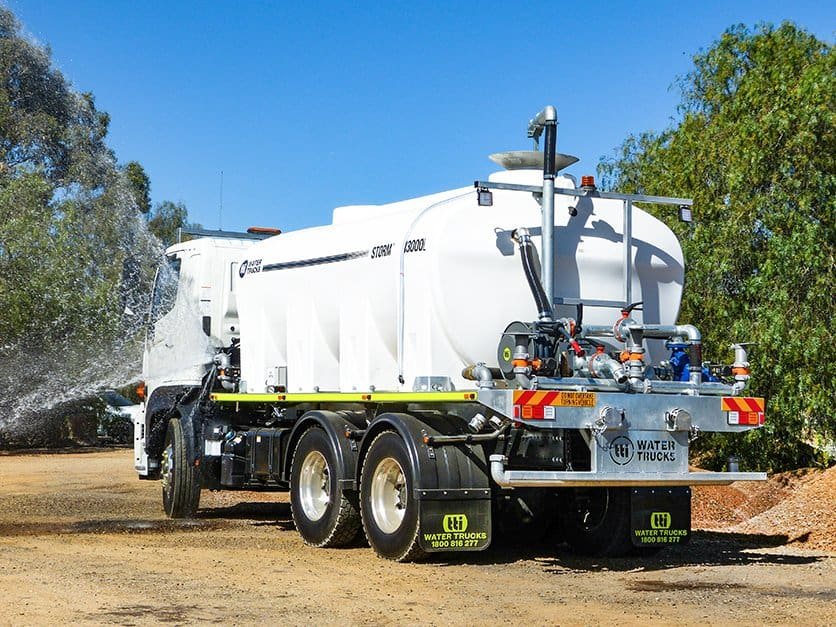
From excavators and lifting machinery to specialised vehicles used for dust suppression and water delivery, every piece of equipment should serve a clear purpose. For projects requiring reliable water distribution, equipment options can be explored at https://ttiwatertrucks.com.au/water-trucks. Before hiring or purchasing machinery, consider the following factors.
1. Understand the Project’s Specific Requirements
Every construction project has different equipment needs.
A residential building project may require compact excavators and small lifting equipment, while a major infrastructure development could involve heavy earthmoving machinery, large cranes and specialised transport vehicles.
Start by breaking the project into individual activities and identifying the equipment required for each stage.
Consider factors such as excavation depth, material quantities, lifting requirements and the distance materials need to be transported.
It’s also worth examining whether certain machines can perform multiple tasks.
For example, a suitable compact loader with compatible attachments may handle several activities that would otherwise require separate machines.
Understanding your requirements before approaching suppliers helps prevent unnecessary equipment hire and ensures essential machinery is available when needed.
2. Consider the Conditions of the Worksite
Equipment that performs well on one construction site may be unsuitable for another.
Ground stability, available space, access routes and weather conditions can all influence machinery selection.
For example, heavy equipment operating on soft or uneven ground may require suitable tyres, tracks or ground protection measures.
Confined urban sites can present different challenges, particularly when there is limited room for manoeuvring or storing materials.
Before selecting equipment, assess the site’s physical conditions.
Identify potential obstacles, overhead restrictions and areas where machinery access may be difficult.
Where appropriate, arrange a professional site assessment to determine whether the ground can safely support the proposed equipment.
Choosing machinery suited to the environment can reduce delays and help maintain safer working conditions.
3. Compare Hiring and Purchasing Costs
Construction machinery can represent a substantial financial investment.
For equipment that will only be needed for a short period, hiring may be more practical than purchasing.
Rental arrangements can provide access to specialised machines without requiring long-term ownership or ongoing storage.
However, businesses that regularly use particular equipment may find purchasing more economical over time.
When comparing options, consider the total cost rather than simply looking at the advertised rental or purchase price.
Relevant expenses may include:
- Equipment delivery and collection.
- Fuel or electricity consumption.
- Insurance and maintenance.
- Operator training or specialist labour.
- Storage and transportation between projects.
- Potential downtime and repair expenses.
Calculating these costs can help determine which arrangement offers better value for the expected workload.
4. Prioritise Safety Features and Operator Requirements
Construction machinery can introduce serious risks when operated incorrectly or used in unsuitable conditions.
Before selecting equipment, review its safety features and determine what training or qualifications operators require.
Depending on the machine, important features may include reversing cameras, warning alarms, emergency stop controls and rollover protection.
Check that equipment complies with applicable safety requirements and is appropriate for its intended application.
Operators should receive suitable training and understand the manufacturer’s operating instructions.
It’s also important to assess how machinery will interact with pedestrians, other vehicles and nearby activities.
Establishing safe operating areas and clear traffic management procedures can help reduce the risk of accidents.
5. Evaluate Equipment Reliability and Maintenance
Unexpected machinery breakdowns can interrupt construction schedules and create additional costs.
A machine that appears inexpensive to hire may become a poor choice if it frequently experiences mechanical problems.
Before accepting equipment, investigate its maintenance history and general condition.
Look for signs of excessive wear, damaged components or poorly maintained hydraulic systems.
If you’re hiring, ask the supplier how breakdowns are handled and whether replacement equipment is available.
For purchased machinery, consider the availability of spare parts, qualified technicians and local servicing facilities.
Reliable equipment helps keep work progressing and reduces the likelihood of unexpected disruptions.
6. Plan Equipment Availability Around the Project Schedule
Construction projects often involve several stages, each requiring different machinery.
Hiring every piece of equipment at the beginning may create unnecessary costs if certain machines remain unused for weeks.
Alternatively, leaving arrangements until the last minute can result in delays when specialised equipment isn’t available.
Develop an equipment schedule that aligns with the project’s planned activities.
Consider when machinery will be delivered, how long it will be required and when it can be removed from the site.
Allow some flexibility for unexpected weather, delivery delays or changes to the construction programme.
Good scheduling helps reduce idle equipment costs while ensuring essential machinery is available when needed.
Choosing Equipment That Supports a Successful Project
Selecting construction equipment involves balancing performance, safety, reliability and cost.
The most expensive machine isn’t necessarily the most suitable, just as the cheapest hire option may not provide the best long-term value.
Start by understanding the work involved, assessing site conditions and determining which equipment can perform each task safely and efficiently.
Then compare suppliers, maintenance arrangements and total operating expenses before making a commitment.
Taking a considered approach to equipment selection can help construction projects run more efficiently, reduce unnecessary delays and support safer working conditions from the first day on site to the final stages of completion.