Transporting construction equipment to overseas project sites requires more than arranging international freight. Contractors must confirm the machinery’s dimensions and weight, select a suitable shipping method, prepare the equipment for handling, and organize delivery from the destination port to the construction site.
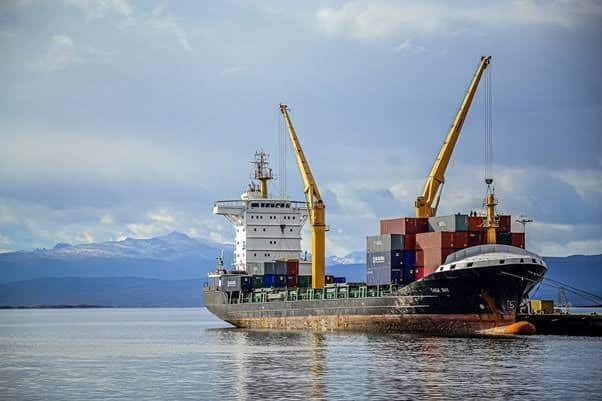
Excavators, bulldozers, wheel loaders, road rollers and cranes have different transport requirements. Their size, operating condition and loading characteristics affect the shipping arrangements. For international construction projects, coordinating these requirements with the site delivery schedule helps reduce equipment downtime and unexpected transportation costs.
What Should Contractors Check Before Shipping Construction Equipment?
Before booking international transportation, contractors should collect accurate technical information for every machine. These details help determine the loading method, shipping equipment and route restrictions.
The essential information includes:
- Overall dimensions: Length, width and height in the transport configuration, including attachments that remain installed.
- Operating and shipping weight: The actual weight of the machine and any separately transported components.
- Operating condition: Whether the equipment can move, steer and brake independently.
- Lifting and securing points: Manufacturer-designated locations for lifting and lashing, together with the center of gravity where available.
- Attachments: Buckets, blades, counterweights, booms and other components that may require removal.
- Delivery location: The destination port, construction site address and available unloading facilities.
Transport dimensions may differ from the machine’s working dimensions. For example, an excavator’s boom can be lowered for shipping, while a large bucket or counterweight may need to be removed to meet transport restrictions.
Contractors should provide technical drawings and recent equipment photographs when requesting quotations. Inaccurate dimensions or missing information can lead to unsuitable equipment bookings and additional handling charges.
Which Shipping Methods Are Suitable for Construction Machinery?
Construction equipment can be transported internationally by RoRo vessels, flat rack containers or breakbulk ships. The appropriate method depends on the machinery’s specifications, available vessel services and handling facilities at both ports.
RoRo Shipping for Mobile Construction Equipment
Roll-on/Roll-off (RoRo) vessels are designed to carry wheeled and other suitable mobile cargo. Machinery that meets the carrier’s operating and safety requirements can be driven or otherwise moved onto the vessel using its loading ramp.
Wheel loaders, road rollers, bulldozers and some excavators may be suitable for RoRo transportation, depending on the vessel and the equipment’s condition.
Before booking, the shipping company must confirm that the vessel’s ramp capacity, deck clearance and loading arrangements can accommodate the machine. Non-operational equipment may require special handling and prior approval.
Flat Rack Shipping for Oversized Machinery
Flat rack containers are suitable for certain machines that exceed the dimensions of standard enclosed containers. Their open sides and top allow equipment to be loaded using cranes or appropriate lifting machinery.
This option may be considered for excavators, compact construction machines and dismantled equipment. However, the cargo must remain within the flat rack’s allowable payload, structural capacity and approved loading limits.
Equipment extending beyond standard container dimensions may also require special stowage arrangements and approval from the shipping line.
Breakbulk Shipping for Heavy or Large Equipment
Breakbulk shipping is an option for construction machinery that cannot be accommodated on suitable container equipment or RoRo vessels.
Large cranes, heavy excavators and unusually shaped equipment may be loaded directly into a ship’s cargo hold or onto an approved deck position, depending on the vessel’s capabilities.
This method requires detailed lifting and securing arrangements. Contractors should confirm the available crane capacity, lifting points, cargo dimensions and port handling restrictions before selecting the service.
For contractors importing construction machinery from China, logistics providers such as Sinotraffic coordinate construction machinery shipping, including equipment preparation, loading arrangements and international transportation. Selecting the transport method before the machinery leaves the supplier can help avoid unnecessary handling and changes to the shipment plan.
How Should Construction Equipment Be Prepared for International Transport?
Machinery should be inspected and prepared before collection from the supplier or equipment yard. Preparation requirements depend on the machine’s design, transport method and carrier instructions.
Inspect and document the equipment. Check the machine for existing damage, fluid leaks, loose components and mechanical problems. Photograph the machinery from multiple angles and record its condition before loading.
Secure movable components. Lower booms and buckets into the approved transport position, lock articulated sections where required, and secure components that could move during transportation. Attachments removed for shipping should be identified, packed and documented separately.
Check fluids, fuel and batteries. Follow the carrier’s requirements for fuel levels, hydraulic systems and batteries. Equipment powered by lithium batteries or other regulated energy systems may be subject to additional transport conditions.
Plan lifting and cargo securing. Confirm designated lifting points, lifting equipment capacity, weight distribution and the required securing arrangement. Chains, lashings, timber supports and other securing materials must be selected according to the equipment’s weight and transport configuration.
For containerized machinery, the IMO/ILO/UNECE Code of Practice for Packing of Cargo Transport Units (CTU Code) provides guidance on cargo weight distribution and securing. The loading plan must also comply with applicable carrier and transport requirements.
These checks help reduce damage during loading, sea transportation and unloading at the destination port.
What Documents Are Required for Overseas Construction Equipment Delivery?
International machinery shipments require commercial, transport and customs documentation. The exact requirements depend on the countries involved, the equipment’s condition and whether it is being imported permanently or temporarily for a construction project.
Common documents include:
- Commercial Invoice: Identifies the equipment, seller, buyer and declared value.
- Packing List: Provides cargo dimensions, weights, quantities and separately packed components.
- Bill of Lading: Records the maritime shipment and transportation details.
- Equipment Identification: Includes model numbers, serial numbers and other identification details.
- Customs Documents: Include the required export and import declarations and applicable permits.
- Technical Documents: May include equipment specifications, inspection certificates or certificates of conformity where required.
Some destinations impose additional restrictions on imported used construction equipment. These may involve machinery age, emissions, safety standards or pre-shipment inspection.
Equipment imported temporarily for an infrastructure project may qualify for a special customs procedure, depending on the destination country’s regulations. Contractors should verify the applicable conditions and any required guarantees before shipping.
Documentation for dismantled machinery should clearly identify the main equipment and its components to avoid discrepancies during customs inspection.
How Can Contractors Arrange Delivery from the Port to the Project Site?
Reaching the destination port does not complete the transportation process. For inland construction projects, machinery must often travel additional distances by road before it can be unloaded and prepared for operation.
Heavy equipment may require low-bed trailers, extendable trailers or other specialized transport vehicles. Oversized loads can also require route surveys, movement permits and escort arrangements, depending on local regulations.
Before confirming inland transportation, the logistics team should assess:
- Road width, bridge clearances and overhead obstacles along the delivery route.
- Vehicle and axle weight restrictions.
- Access roads, turning space and ground conditions at the construction site.
- Availability and capacity of cranes or other unloading equipment.
- Delivery restrictions and permitted operating hours.
The construction site must be ready to receive the equipment. A suitable unloading area, stable ground and access for transport vehicles should be confirmed before dispatch from the port.
When machinery arrives in dismantled sections, contractors should also plan the sequence of deliveries and ensure that the necessary assembly personnel and lifting equipment are available.
Without these arrangements, equipment may remain at the port or on the transport vehicle, generating additional storage and waiting charges.
How Can Construction Projects Control Shipping Costs and Delivery Delays?
International machinery transportation costs depend on equipment dimensions, weight, shipping route, vessel capacity and handling requirements.
For oversized equipment, reducing transport dimensions may lower freight costs. However, dismantling also introduces labor, lifting, packing and reassembly expenses. Contractors should compare the total cost of shipping machinery intact with the complete cost of transporting it in sections.
The overall logistics budget should account for:
- Collection and inland transportation from the equipment supplier.
- Machinery dismantling, packing and securing where necessary.
- Origin port handling and ocean freight.
- Destination port handling, customs clearance and storage.
- Specialized inland transportation and permits.
- Unloading and reassembly at the construction site.
Delivery schedules also need to account for equipment preparation, vessel availability, transshipment, customs inspections and inland transport arrangements.
Contractors should establish a realistic equipment delivery date based on the construction schedule and allow sufficient time for the required transport operations. Coordinating with the supplier, freight provider and receiving site can help identify potential delays before they affect planned construction activities.
Successful overseas construction equipment delivery depends on matching the machinery’s technical requirements with the available transportation infrastructure. By verifying equipment specifications, planning cargo handling and preparing the destination site in advance, contractors can organize international machinery shipments with greater control over costs, safety and delivery schedules.