When an oven stops working, many homeowners assume the repair process is the same across all models. However, built-in ovens present unique challenges compared to freestanding units. If you are searching for oven repair, it helps to understand why built-in models require a different approach.
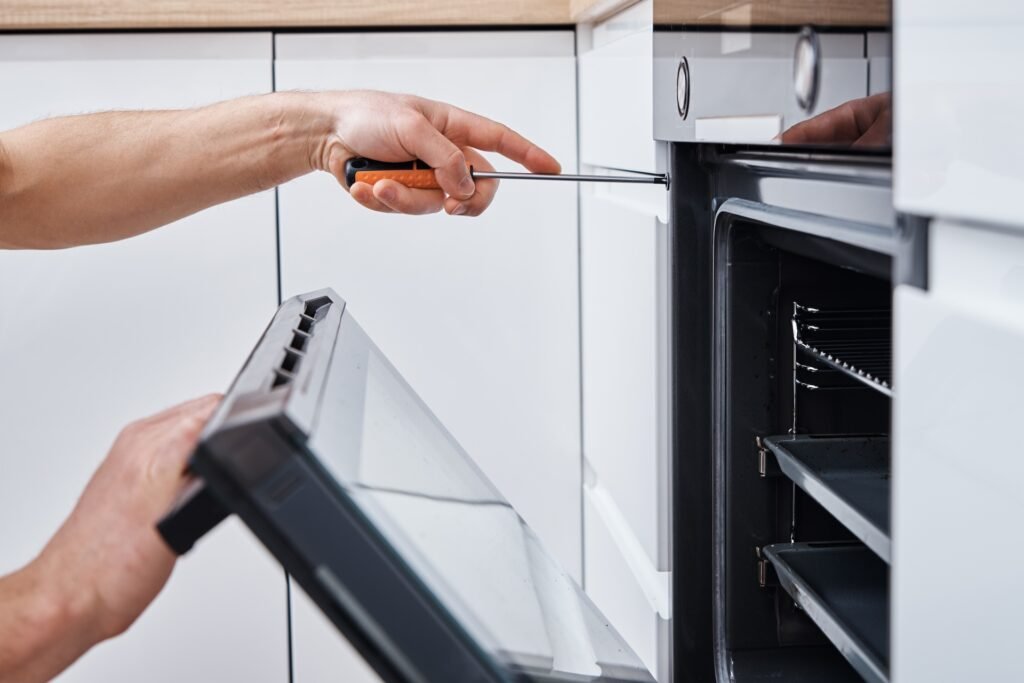
From installation design to access limitations, built-in ovens involve specific considerations that influence diagnosis, labour, and repair complexity.
Installation and Accessibility
The most obvious difference is how the oven is installed.
A built-in oven is integrated directly into cabinetry, often at wall height. Unlike freestanding ovens that can be pulled away from the wall easily, built-in units are secured within a cabinet cavity.
To access internal components, technicians often need to:
- Isolate power at the switchboard
- Remove securing screws
- Carefully slide the unit out of the cabinetry
- Protect surrounding cabinetry and flooring
This process requires care to avoid damaging cabinets or benchtops. It also increases labour time compared to freestanding units.
Electrical Connections
Most built-in ovens are hardwired rather than plugged into a standard power point.
This means disconnection and reconnection must be handled safely, often by a licensed technician. Electrical safety becomes a critical factor during oven repair.
In regions like Australia, strict electrical regulations apply. Working on hardwired appliances requires proper qualifications and adherence to safety standards.
Freestanding ovens, by contrast, may be simpler to isolate and remove.
Weight and Handling
Built-in ovens are typically heavier than many people expect.
Wall-mounted units can weigh 40 to 60 kilograms or more. Removing them safely often requires two technicians, especially in tight kitchen spaces.
Careful handling prevents injury and avoids damage to cabinetry or flooring.
The physical effort involved is another reason built-in oven repair may take longer.
Heat Management and Ventilation
Built-in ovens rely on proper ventilation within cabinetry to function correctly.
If airflow is restricted or installation was not compliant, overheating can occur. This may lead to repeated failures of components such as thermostats, elements, or control boards.
During oven repair, technicians often check whether ventilation gaps meet manufacturer specifications.
Freestanding ovens generally have fewer ventilation constraints because they are not enclosed within cabinets.
Control Systems and Electronics
Modern built-in ovens frequently include advanced features such as digital displays, touch controls, timers, and programmable cooking functions.
While convenient, these electronic systems introduce additional complexity during repair.
Common built-in oven faults include:
- Failed heating elements
- Faulty thermostats
- Malfunctioning control boards
- Door seal issues
- Temperature inaccuracies
Electronic control boards in built-in models can be more expensive than basic mechanical components found in older freestanding units.
Aesthetic Considerations
Because built-in ovens are integrated into kitchen design, cosmetic appearance matters.
Repairs must preserve alignment with surrounding cabinetry. When reinstalling the unit, technicians must ensure it sits level and flush with cabinet edges.
Improper reinstallation can leave gaps, uneven panels, or misaligned trims.
Attention to detail is essential for maintaining the kitchen’s visual finish.
Replacement vs Repair Decisions
In some cases, built-in oven repair costs approach replacement cost, particularly if a major control board or multiple components have failed.
However, replacement is not always straightforward. Built-in ovens must match existing cabinet dimensions. If a model is discontinued, cabinetry modifications may be required to fit a new unit.
This makes repairing the existing oven more attractive in many situations.
Assessing repair cost against replacement complexity is an important step.
Downtime and Planning
Because removal and reinstallation are more involved, built-in oven repairs may require more planning than freestanding models.
In some cases, parts need to be ordered, requiring a return visit. Proper diagnosis during the first visit helps minimise disruption.
Homeowners should allow adequate time for the process rather than expecting a quick fix.
Final Thoughts on Built-In Oven Repair
Built-in oven repair differs from standard oven repair due to installation method, electrical configuration, weight, and cabinetry integration.
Accessing components requires careful removal, and electronic systems often add complexity. While repairs may involve slightly more labour, they are often worthwhile compared to the cost and inconvenience of full replacement.
Understanding these differences helps set realistic expectations and ensures your appliance is handled safely and professionally.