In Calgary, solar is no longer an experimental add on reserved for environmentally motivated homeowners. It is steadily becoming a construction consideration that affects structural detailing, electrical planning, roofing strategy, and long term asset value. For builders and contractors operating in Western Canada, photovoltaic integration is shifting from optional upgrade to expected capability.
This transition is not driven by ideology alone. It is rooted in economics, load growth, energy volatility, and client expectations that are reshaping how residential projects are scoped and executed.
A Climate That Tests Systems
Calgary presents a demanding environment for rooftop systems. Snow load, wind uplift, freeze thaw cycles, and rapid temperature swings place stress on both roofing assemblies and mounting hardware. Solar construction in this region is therefore less about panel placement and more about structural integration.
Engineered racking systems must account for uplift forces that exceed those in many temperate regions. Fastener penetration strategy must respect roofing warranties while maintaining watertight integrity. On pitched asphalt roofs, attachment spacing and truss alignment become structural considerations rather than afterthoughts.
For builders, this means coordination between framers, roofers, and electrical trades at an earlier stage. Truss layouts should anticipate potential array placement. Roof obstructions such as vents and plumbing stacks can compromise usable surface area. Minor adjustments during framing can materially improve system layout efficiency.
The era of “retrofit only” thinking is fading. Solar readiness begins at design.
Service Capacity Is the Gatekeeper
Electrical service capacity remains the most common constraint on residential solar adoption. A significant portion of Calgary’s housing stock was built with 100 amp service. While sufficient in previous decades, that capacity can become restrictive when combined with modern appliance loads, heat pumps, and electric vehicle charging.
Grid tied photovoltaic systems require dedicated breaker space and backfeed allowance within the service panel. Load calculations must account for existing demand and future growth. In many cases, upgrading from 125 amp busbar to 200 amp becomes a prerequisite for meaningful solar integration.
For general contractors, this affects budget forecasting and project sequencing. Panel upgrades involve coordination with the utility, potential meter relocation, grounding improvements, and conductor replacement. These are not cosmetic modifications. They require permit oversight and inspection alignment.
Ignoring panel limitations at the planning stage can derail schedules once electrical rough in begins.
Interconnection and Utility Coordination
Unlike standalone generation, residential solar in Calgary is grid tied. Interconnection approval with the local utility is required before commissioning. This process includes engineering review, system sizing verification, and compliance with anti islanding requirements.
Builders who treat solar as a late stage add on often underestimate the administrative timeline. Utility approvals can influence project completion dates. Design documentation must be accurate and reflective of final construction conditions.
Clear communication between electrical contractors and project managers reduces friction. The construction team must align inverter selection, array sizing, and service capacity with interconnection requirements from the outset.
Roof Design as Energy Infrastructure
Modern residential design often prioritizes architectural expression. Complex rooflines, multiple dormers, and intersecting pitches create visual interest. They also fragment usable solar surface.
From a construction standpoint, clean south facing planes without excessive penetrations deliver superior array efficiency. While aesthetic considerations remain central, minor design adjustments can substantially improve energy production without compromising architectural integrity.
For builders engaged in custom homes, integrating solar planning during schematic development creates value. Orientation, pitch, and shading analysis should inform roof detailing. This approach positions solar not as an accessory, but as part of the building envelope strategy.
Material Coordination and Longevity
Roofing material choice influences solar attachment methodology. Asphalt shingles remain common in Calgary residential builds, but metal roofing and composite systems are gaining traction.
Each material requires specific mounting hardware and sealing techniques. Improper integration can void roofing warranties or create long term leak risks. Coordination between roofing subcontractors and solar installers is essential to preserve system integrity.
Long term durability is particularly important in freeze thaw climates. Thermal movement between mounting rails and roof surfaces must be accommodated without stressing fasteners. Builders who treat solar penetrations with the same rigor as mechanical roof penetrations avoid future liability.
Load Growth and Electrification
The broader electrification movement is amplifying solar’s relevance. As homes transition toward electric heating and vehicle charging, on site generation becomes an economic hedge.
Heat pumps and electric water heaters increase household electrical demand. Electric vehicles can add substantial nightly loads. Solar offsets a portion of that consumption, stabilizing operating costs over time.
From a construction economics perspective, homeowners evaluating long term energy spend are factoring solar into renovation and new build decisions earlier. Builders capable of articulating realistic production expectations and infrastructure requirements gain credibility.
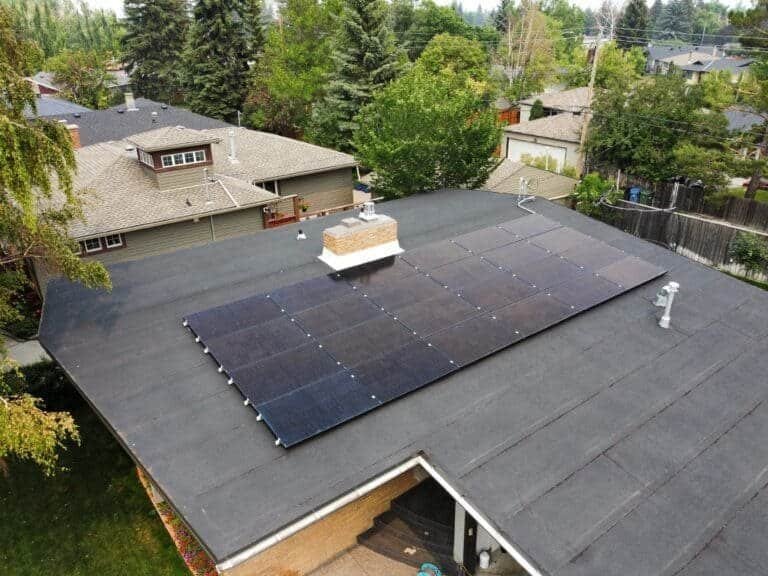
Professionals exploring Calgary residential markets can review current system configurations and performance considerations through projects centered on residential solar panels in the region, which illustrate how panel layout, inverter choice, and service capacity interact under local climate conditions.
Structural Considerations in Snow Regions
Snow accumulation is a defining design factor. Panel tilt, row spacing, and mounting elevation affect shedding patterns. Accumulated snow at eaves or valley intersections can create ice dam risks if not properly considered.
Engineers may need to verify that roof framing can accommodate additional point loads from racking systems. While most modern truss systems have reserve capacity, older homes or custom designs may require assessment.
Construction teams that integrate structural review into early feasibility studies reduce the risk of mid project redesign.
Construction Sequencing and Trade Coordination
Solar integration intersects multiple trades. Electrical rough in, roofing completion, final inspections, and utility commissioning must align.
Sequencing missteps can create inefficiencies. Installing roofing without pre planning conduit routes may require surface mounted raceways that compromise aesthetics. Conversely, running conduit too early without confirmed array layout can result in misalignment.
Clear communication between project managers, electricians, and site supervisors ensures that roof penetrations, conduit runs, and inverter placement are coordinated with framing and finishing schedules.
Data, Monitoring, and Performance Accountability
Modern solar systems include monitoring platforms that track production in real time. For builders, this introduces a performance dimension that extends beyond construction completion.
Clients can observe daily output and seasonal variation. If system performance does not meet modeled expectations, questions arise. Accurate shading analysis, correct orientation assumptions, and realistic production estimates become critical.
Construction professionals entering the solar space must respect that energy production is measurable and transparent. This visibility raises the bar for design accuracy.
The New Baseline Expectation
Solar in Calgary is not speculative. It is practical. Declining equipment costs, rising electricity rates, and growing electrification are converging. For construction professionals, the question is no longer whether solar will influence residential projects, but how deeply it will shape them.
Service capacity, structural readiness, roof design, and interconnection planning now form part of the builder’s responsibility set. Those who integrate solar considerations early in design and budgeting avoid reactive corrections later.
In construction, the visible elements attract attention. Yet increasingly, the competitive edge lies in mastering the infrastructure that clients do not immediately see. Solar is part of that infrastructure shift.
For builders willing to approach it with technical rigor rather than surface level enthusiasm, it represents not just an add on feature, but a structural evolution in residential construction.