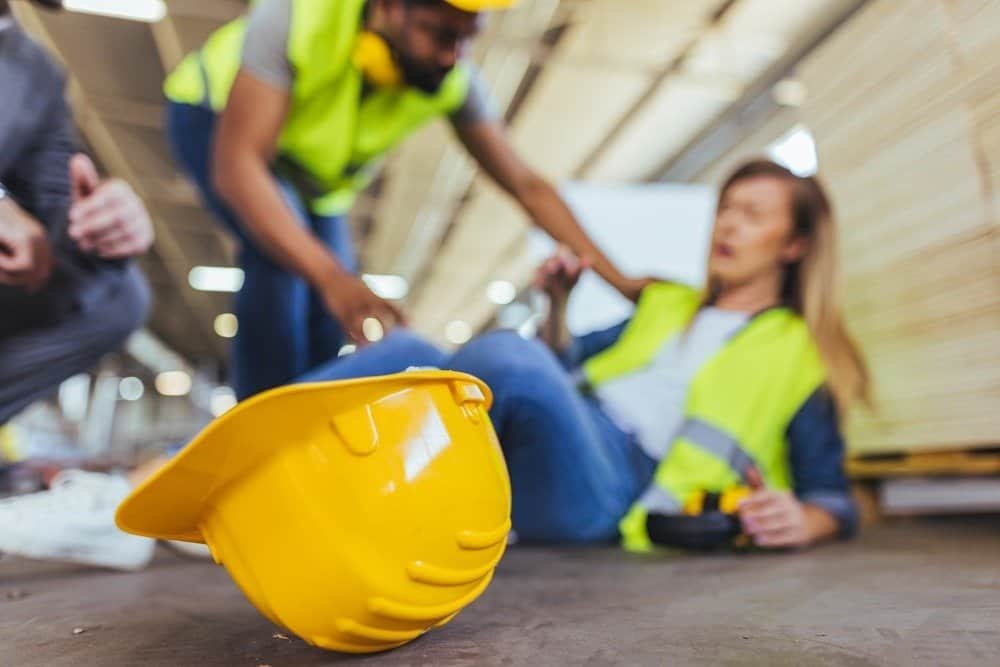
Construction sites can change from one moment to the next, and those changes may affect how an accident unfolds. To understand what happened, a construction accident lawyer in Brooklyn, NY, may review the worksite conditions, instructions, equipment, communications, and other available evidence. This process can help establish a clear account of the events surrounding the injury.
Start With the Worksite
The physical condition of a construction site can say a great deal about what happened before an accident. A lawyer may review photographs, inspection records, equipment records, site plans, and other available documents to see what conditions existed around the work area.
This review can include scaffolding, ladders, walkways, tools, machinery, lighting, warning signs, and barriers. Even small details may matter if they help show how a worker was expected to perform a task.
Brooklyn construction sites can change quickly as different crews complete different stages of a project. A work area that looked one way in the morning may have been different later in the day. Records and photographs can help establish those changes instead of leaving them to memory.
Reconstruct the Timeline
An accident report often focuses on what happened, but a full review can go further. It may look at the events leading up to the injury and place them in a clear order.
The investigation may consider what task the worker had been assigned, who gave the instructions, what equipment was being used, and whether the work changed before the accident. It can also look at whether a supervisor was present and whether workers had raised concerns about the task.
A detailed timeline can bring scattered facts together. A change in instructions may seem unimportant by itself. A missing piece of equipment may seem separate. A worker being moved to another area may appear routine. Put together, however, these details may help explain how the conditions developed.
Check What Was Known Beforehand
A construction site can contain hazards that workers and supervisors notice before an accident occurs. Previous complaints, repair requests, safety reports, text messages, emails, and other communications may help establish what people knew about a condition.
The investigation may ask whether a problem had been reported, whether someone had been told to correct it, or whether the work continued despite an earlier concern. It does not assume that a complaint proves fault. Instead, the records can be reviewed alongside other evidence to establish what actually happened.
This part of the process can be especially important on busy Brooklyn projects involving several contractors and work crews. Different companies may have different roles, making clear records useful for separating facts from assumptions.
Compare Records With Witness Accounts
People who were nearby may remember important details that never appear in an official report. A coworker may have seen equipment being moved. A supervisor may know that instructions changed. Another worker may have noticed a condition shortly before the injury.
Witness accounts can be compared with photographs, safety records, incident reports, and other documents. The goal is not simply to collect statements. It is to see whether the different sources support the same sequence of events or reveal areas that need closer review.
A careful investigation may look at several questions:
- Who was present before the accident?
- What was each person doing?
- What instructions had been given?
- What equipment or materials were involved?
- Did anyone report a problem before the injury?
- What changed shortly before the accident?
Looking at these details together can produce a more complete record than any single statement.
Connect the Facts to the Injuries
The investigation does not stop with the worksite. Medical records can help document the injuries that followed the accident and the treatment that was needed.
Medical information may be reviewed alongside the known events to establish a factual connection between the accident and the reported injuries. Records can also document missed work, treatment, follow up care, and other effects that are part of the claim.
Keeping these records organized can make the overall picture easier to follow. The worksite evidence explains the conditions, while medical documentation records the physical results.
Final Thoughts
A construction accident is often the result of several conditions coming together rather than one isolated detail. A changed assignment, an equipment issue, a reported hazard, or unclear instructions may each form part of the larger sequence.
For someone dealing with a construction injury in Brooklyn, NY, reviewing those events can provide a clearer factual record of what took place. A construction accident lawyer in Brooklyn, NY, may use available records, witness accounts, worksite evidence, and medical documentation to examine that sequence carefully.
The strongest account of an accident does not depend on guesswork. It comes from putting the available facts in order and allowing the evidence to show what happened before the injury occurred.