There are thousands of crops grown in every country on the planet, but only a few of them can truly be considered staple foods. Staple crops are those that are affordable, high-yielding, and adaptable to many conditions. Perhaps most importantly, they are capable of providing a complete profile of micro- and macronutrients.
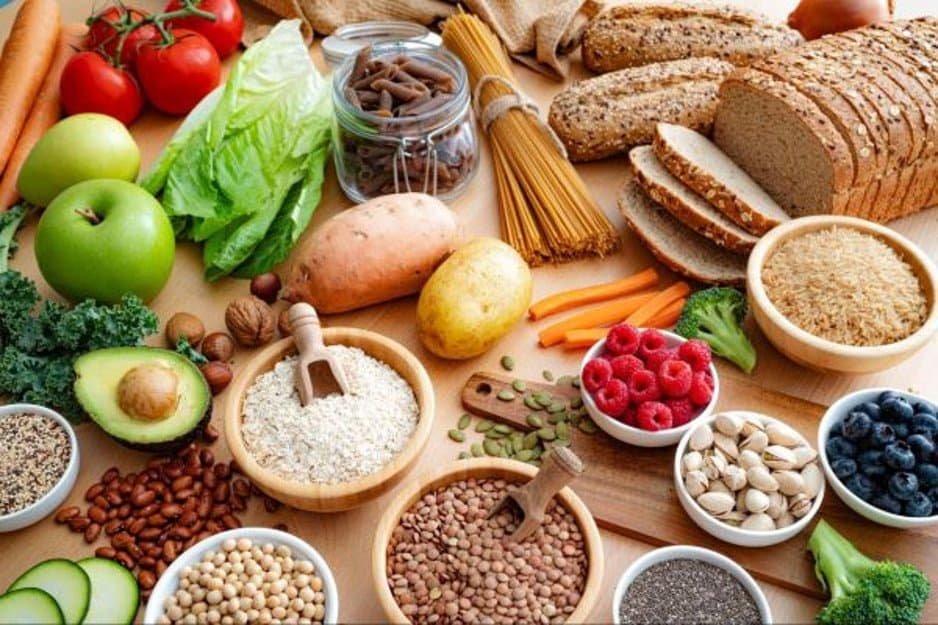
Below, we’ll discuss the most important staple foods and why they’re crucial to food access across the world:
What Is a Staple Food?
Researchers use the term “staple food” to refer to any food source that serves as a primary source of energy and nutrients for a given population. Depending on the region, inhabitants may rely on several staple foods. However, the majority of populations in the world depend on just one that is critical for food access to these particular people groups. In either case, the foods used for this purpose must usually meet several criteria; chief among these is being an inexpensive, calorie-dense source of energy.
While it is possible for a population to use meat as its staple food source, in most cases, the niche is filled by a crop of some type. The most successful staple crops, which are discussed below, can provide a group with more than simple calories. They are also replete with macronutrients and micronutrients, including protein, fiber, fat, and an array of critical vitamins and minerals.
Rice
Over half the world depends on one type of rice or another as its staple food source, particularly in temperate regions in Asia and Africa, where this ubiquitous cereal grain forms the basis of countless widely consumed dishes. Technically a type of grass seed, rice is packed with carbohydrates and fiber and is an excellent source of B vitamins, such as niacin and riboflavin.
Of the staple food sources listed in this blog post, rice is one of the most demanding when it comes to water consumption. That’s because it’s a semi-aquatic plant, requiring marshy environments with clay-like soil and plenty of nutrient-dense silt. This means that the environments best suited to rice are not usually capable of supporting other crops. Even so, rice remains one of the most widely grown foods worldwide, thanks partly to its extremely high yield (up to 8,400 pounds per acre).
Wheat
Capable of thriving in conditions that are far colder than those favored by rice and other staples, wheat serves as a pillar of agricultural production in many countries, particularly in China, the United States, and North Africa. Capable of being ground into flour, wheat is the primary ingredient in breads, pastas, breakfast cereals, and other widely consumed food products. It is another excellent source of healthy carbohydrates and contains a wide array of vitamins and minerals, including vitamin E and selenium.
A major reason for wheat’s success as a staple food is its hardiness. Unlike some of its closest competitors, wheat can survive during the cold winter months without any major loss of production. It does this by entering a period of dormancy when the weather cools and resuming its growth once the temperatures rise. Wheat can also handle dry, arid climates better than many crops, particularly if it’s a variety that is suited to dry conditions, such as the specially bred SD Vivian.
Corn
The single most popular crop in the world, corn (called maize in most regions outside of North America) forms the basis of the diets of billions of people, both as a direct source of food and as animal feed for the livestock many communities depend on. It is also one of the most versatile crops, being used for everything from fuel production to making paper. Worldwide, this critical food source yields over a billion tons annually, with the United States being the biggest producer. Corn is an excellent source of protein and fiber, as well as health-protecting antioxidants.
Corn is another crop with relatively high demands when it comes to water, although not nearly as much as most varieties of rice. It also has fairly high requirements when it comes to sunshine. It needs around six to eight hours of direct sunlight per day to truly thrive.
Legumes
Legumes are a broad family of plants that produce their fruit in pods, which open sideways to reveal their seeds. These seeds are frequently edible and include a huge variety of widely consumed foods, including black beans, red beans, kidney beans, peas, peanuts, lentils, chickpeas, and the most popular of all: soybeans.
Soybeans are a favorite thanks to their incredible nutrient density and ease of storage, boasting a long shelf life and ease of transport. They are eaten as staple foods all over the world, but are particularly important in Asian countries such as China and Japan, where adults consume as much as 11 grams of soy protein per day.
Legumes such as beans are another relatively inexpensive crop with a high yield (around 4,000 pounds per acre), hence their commonness worldwide. They are an excellent source of protein and fiber and an array of phytonutrients, making them an great meat substitute for populations that keep vegan or vegetarian diets. Most beans prefer warm conditions and full sun to grow successfully.
Potatoes
Widely grown in over 100 countries, potatoes are a staple food for billions of people worldwide, largely due to their incredible adaptability. Capable of thriving in conditions in which most other crops would struggle, potatoes are equally at home in low altitudes or high ones, as well as in wet or dry and cold or warm climates.
In the United States, potatoes are a vital part of the economy, being grown on small farms across the country, particularly in northwestern states such as Washington, where the mineral-rich soil allows farmers to produce over 60,000 pounds of potatoes per acre, and farmers have united to form the Washington State Potato Commission, which emphasizes sustainable farming practices.
Potatoes form the basis of thousands of popular recipes, and can be baked, boiled, fried, and even made into desserts. They contain protein, fat, carbohydrates, and vitamins, meaning that they can provide nearly a complete nutritional array on their own. The staple crops mentioned above have become essential food sources worldwide due to their versatility, adaptability, and affordability. Now they are more important than ever, as a growing population in a globalized socie