If you’re a property developer eyeing loft conversions to add value to residential projects, here’s something worth knowing upfront: cutting corners on technical drawings isn’t just risky—it’s expensive.
I’ve seen too many developers get halfway through a loft conversion only to discover their drawings don’t comply with Building Regulations. The result? Work stops. Costs spiral. Timelines collapse. And that tidy profit margin you calculated? Gone.
The truth is, loft conversion drawings are one of the smartest ways to add value to residential properties—but only when the groundwork is solid from day one.
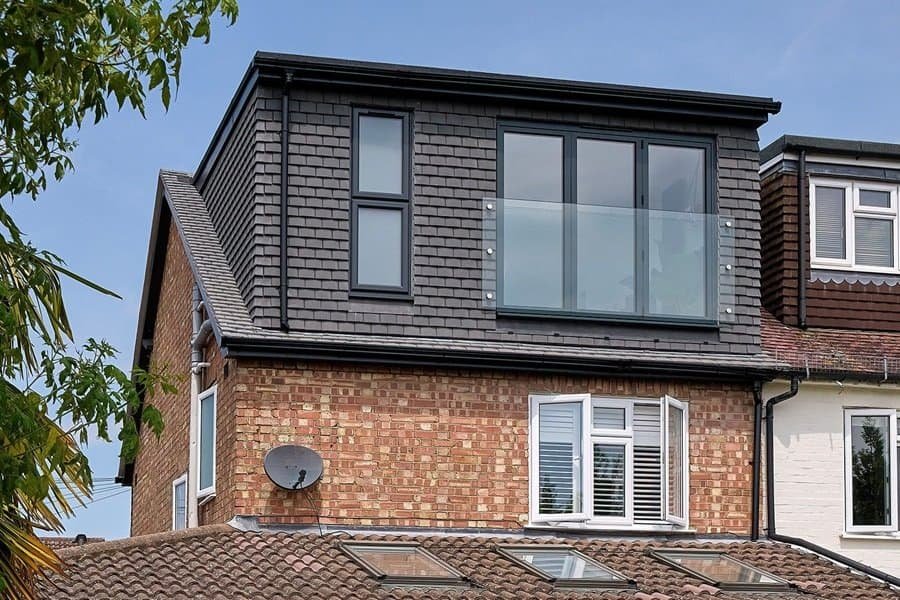
The Numbers Don’t Lie
Loft conversions consistently deliver strong ROI for property developers. A well-executed conversion can add 15-20% to a property’s value, often for less than half the cost of a traditional extension. In London and the South East, we’re talking about value increases of £40,000-£80,000 for mid-range properties.
But here’s the catch: those returns depend entirely on getting approval first time and avoiding costly rework during construction.
What Makes Loft Conversion Drawings Different?
Unlike straightforward extensions, loft conversions involve complex structural calculations, fire safety requirements, and headroom regulations that vary by property type and local authority. Your drawings need to address several critical areas.
Structural load paths matter more than most developers realise. Where’s the weight going? Can the existing foundations handle it? What steel beams are required, and how will they integrate with the existing structure? Get this wrong and you’re looking at retrospective structural work that wasn’t in your budget.
Fire safety compliance isn’t optional. Escape routes, fire-resistant construction, and compartmentation are deal-breakers if your drawings don’t specify them correctly. Building control won’t sign off without these elements clearly detailed.
Building Regulations cover multiple parts that all apply to loft conversions. Part A (structure), Part B (fire safety), Part K (stairs), Part L (thermal performance), and Part M (access) must all be addressed. Miss one part and you’re resubmitting, which adds weeks to your timeline.
Headroom and ceiling heights catch out many developers. A common mistake is assuming you’ve got enough space when you don’t. Proper survey work catches this before you’ve invested in anything.
Why DIY Drawings Cost More Than Professional Ones
Templates and online tools make it tempting to handle drawings yourself or use cheaper, less experienced providers. But property development isn’t the place to experiment.
When drawings aren’t prepared by someone who understands both Building Regulations and practical construction, you end up with rejected applications that delay your project by months, retrospective alterations during construction that weren’t budgeted for, and relationship problems with building control that slow down future projects.
The false economy becomes obvious when you add up the true costs. A set of professional loft conversion drawings might cost £800-£1,500. Fixing problems from inadequate drawings? That’s easily £5,000-£15,000 once you factor in builder downtime, material waste, and resubmission fees.
What Developers Should Look For
Not all drawing services are equal. When you’re vetting providers for your next project, ask specific questions.
Do they understand local authority variations? Building Regulations are national, but interpretation varies between councils. Someone with experience in your target borough will know the specific requirements and preferences of that building control team.
Can they provide structural calculations? Many loft conversions need structural engineer input. If your drawing provider can handle both architectural drawings and structural calculations, you save time and avoid coordination issues between separate consultants.
What’s their approval rate? A good provider should have a first-time approval rate above 90%. If they’re cagey about this metric, that’s a red flag.
Do they work with builders regularly? Drawings that look good on paper but confuse builders on site are useless. The best drawing services understand construction sequences and detail their drawings accordingly.
The Business Case for Quality Drawings
Here’s how the maths works on a typical London terraced house conversion.
Project value increase: £60,000
Total project cost: £35,000
Professional drawings: £1,200
Drawings as percentage of budget: 3.4%
Now consider what happens when you try to save £600 by using a cheaper service.
Resubmission delays: 6-8 weeks
Builder standing time: £1,500
Material price increases during delay: £800
Retrospective structural work: £3,500
Total additional cost: £5,800
That’s a 10x return on the money you tried to save. And we haven’t factored in the opportunity cost of not having the property ready for sale or rental during those extra weeks.
What the Best Developers Do
Successful property developers treat technical drawings as an investment, not an expense. They build relationships with qualified professionals who understand their business model and can turn drawings around quickly when needed.
They also recognise that good drawings do more than satisfy building control. They provide clear instructions for builders, reduce on-site queries and mistakes, and create a paper trail that protects everyone if disputes arise.
For developers working on multiple projects, having a reliable drawing provider becomes a competitive advantage. You can move faster, price more accurately, and avoid the delays that kill profit margins.
Final Thoughts
Loft conversions remain one of the best value-add strategies in residential development. The market understands their worth, buyers appreciate the extra space, and the returns justify the investment.
But these projects demand technical precision from the start. Professional drawings aren’t just paperwork—they’re the foundation of a profitable project. Cut corners here and you’re building risk into every subsequent stage. For property developers serious about consistent returns, partnering with qualified professionals for your technical drawings isn’t optional. It’s how you protect your investment and deliver projects that actually make money.