When it comes to outdoor living spaces, few upgrades make as dramatic an impact as glass outdoor railing. Whether you’re decking out a backyard patio, upgrading a poolside area, or finishing off a rooftop terrace, glass railings deliver a clean, modern look that instantly elevates any exterior space.
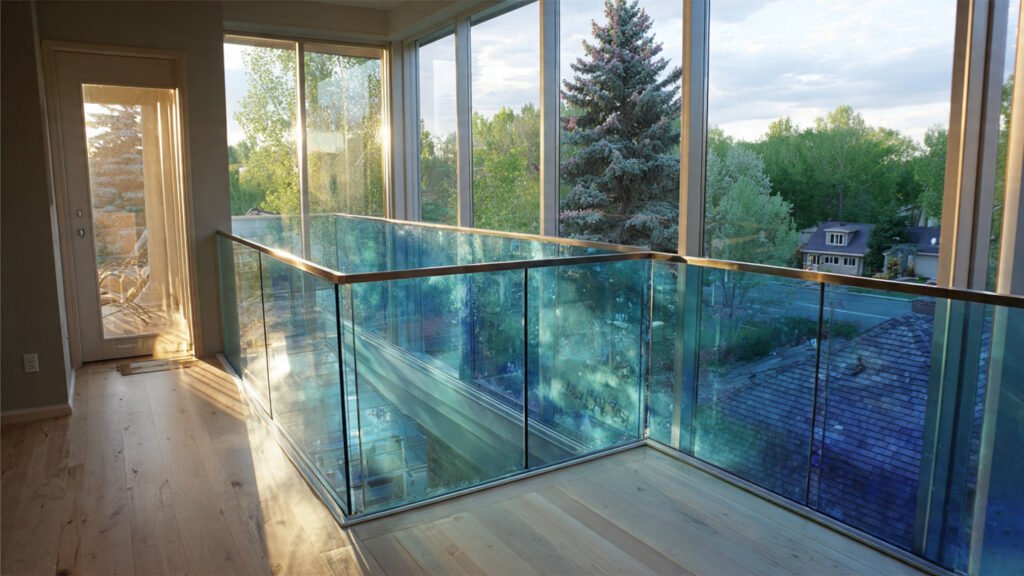
But glass outdoor railing is a significant investment — and not all systems are created equal. From hardware quality and glass type to installation method and long-term maintenance, there’s a lot to consider before you buy. This guide covers everything you need to know to make the right decision.
Why Glass Outdoor Railing Is the Right Choice
The most obvious advantage of glass outdoor railing is the unobstructed view. Unlike wood, aluminum, or cable railings, glass panels create zero visual interruption between you and your surroundings. Whether you’re overlooking a landscaped backyard, a body of water, or a mountain range, glass keeps the scenery front and center.
Beyond aesthetics, glass outdoor railing is genuinely practical. It acts as a windbreak without blocking airflow entirely — a major advantage on exposed decks or elevated outdoor spaces. It doesn’t rot, warp, or require seasonal staining the way wood does. And with the right hardware, it can outlast almost any other railing material on the market.
Tempered glass, the standard for all quality outdoor railing systems, is also far stronger than most people expect. It’s engineered to handle significant lateral force and impact. In the rare event of breakage, it shatters into small, blunt fragments rather than dangerous shards — making it a genuinely safe choice for families with children and pets.
The Most Important Factor: Hardware Quality
If there’s one thing most homeowners overlook when shopping for glass outdoor railing, it’s the hardware. The glass itself tends to get all the attention — but the fittings, posts, and channels holding everything together are what actually determine how long your railing lasts.
Outdoor environments are harsh on hardware. Sun, rain, humidity, and temperature swings put constant stress on any metal component that isn’t properly rated for exterior use. Low-grade hardware corrodes quickly, loosens over time, and can compromise the structural integrity of the entire system — sometimes within just a few years.
For outdoor applications, always look for **316-grade stainless steel** hardware. This marine-grade alloy is specifically engineered to resist corrosion from moisture, UV exposure, and temperature fluctuations. It’s the same material used in marine applications worldwide, and it’s the only grade that holds up reliably in demanding outdoor environments.
Avoid systems that use 304-grade steel fittings or chrome-plated zinc components. These may look identical at first glance but will begin to show rust and degradation far sooner than 316-grade alternatives — especially in coastal areas, humid climates, or regions with cold winters.
The coating on your hardware matters too. Powder-coated finishes add an additional layer of protection against UV damage and moisture, and they’re available in a range of colors to complement your outdoor aesthetic.
Choosing the Right Installation System
There are three main installation systems for glass outdoor railing, each with its own advantages:
**Base shoe channel systems** run a continuous metal channel along the base of your deck or patio edge, into which the glass panels slot directly. This creates a seamless, frameless look with no visible posts — the cleanest aesthetic option available. The sealed channel also provides excellent weather protection, making it one of the most popular choices for outdoor applications.
**Post-and-panel systems** use vertical posts at regular intervals, with glass panels secured between them using clamps or brackets. They’re versatile and relatively straightforward to install, making them a good option for DIY-minded homeowners or decks with irregular layouts.
**Standoff mount systems** attach the glass directly to a wall or structural surface using individual hardware points. They work well for balconies and terraces where a wall or beam can serve as the primary support structure.
Building Code Compliance
Before purchasing any glass outdoor railing system in the United States, verify that it meets local building codes. Most jurisdictions follow the International Residential Code (IRC) as a baseline, which requires a minimum railing height of 36 inches for decks less than 30 inches off the ground and 42 inches for elevated decks. Rails must also withstand a minimum horizontal load of 200 pounds.
Always ask for load-testing documentation when purchasing a glass railing system. Reputable manufacturers will have this readily available.
The Bottom Line
Glass outdoor railing is one of the best investments you can make in your outdoor living space. It enhances your view, improves your property’s curb appeal, and — when built with quality hardware — delivers decades of reliable, low-maintenance performance. For homeowners looking for premium glass outdoor railing systems engineered for all-season durability, Glass Railing Store offers a comprehensive range of frameless and post-supported solutions to fit any outdoor space and budget.