Construction sites are one of the most dangerous work environments in the United States.
Statistically speaking, they might be the most dangerous.
Construction workers face around 300 annual fatal falls and 20,000 nonfatal fall injuries every year. You read that correctly. Thousands of American workers and their families fight with the repercussions of these injuries each year.
Here’s the kicker…
When fractures or falls occur due to negligence on the job site, the legal road to compensation for pain and suffering can look very different from a traditional worker’s comp case. Understanding that distinction is crucial to ensuring workers get every dollar they deserve.
Speak with a personal injury lawyer in New Haven, CT ASAP if you’ve suffered a serious construction injury. It’s one of the best ways to protect your right to full pain and suffering compensation before it’s too late and evidence goes missing.
Here’s what this covers:
- The Most Dangerous Construction Site Injuries
- Why Falls Are Such a Serious Problem
- What Pain and Suffering Compensation Actually Covers
- How to Strengthen a Legal Claim After a Construction Injury
- Warning Signs Your Claim is Being Undervalued
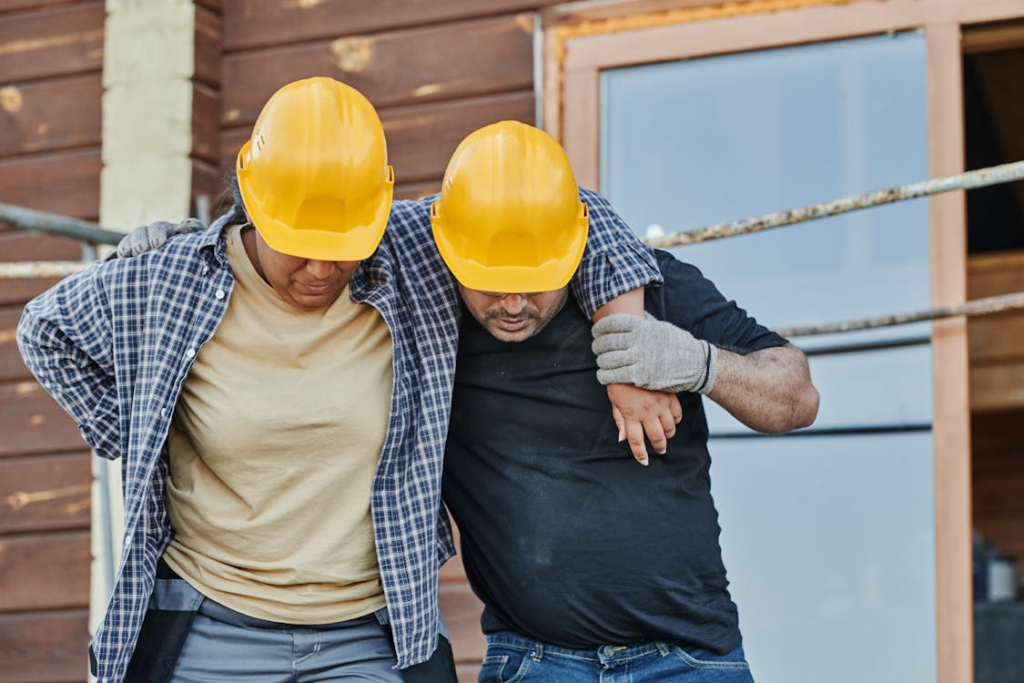
The Most Dangerous Construction Site Injuries
Some construction injuries are minor and short-lived. Others end up with workers filing for lifetime disability.
Typically the most serious injuries fall into one of the following categories:
- Falls from heights — Includes scaffolding accidents, falling off ladders, slipping on roofs
- Fractures — Broken arms, legs, wrists, ribs, spine, etc. caused by impact with equipment/surface falls
- Struck-by incidents — Including falling equipment, swinging loads, or moving vehicles on site
- Electrocutions — Contact with exposed wires, malfunctioning equipment, or power lines
- Caught-in/between injuries — Involves excavations, machinery, trenching, collapses
Falls are far and away the most common serious injury. In fact, construction workers accounted for 48.9% of all fatal workplace falls last year. Ouch.
Why Falls Are Such a Dangerous Problem on Construction Sites
It’s not just the numbers that make falls particularly dangerous.
Falls do not just “happen.” When they occur on construction sites, it’s often due to a failure of the company to enforce safety protocols. The same principle applies on smaller domestic jobs, where permanent access such as properly rated Loft Ladders removes the need to balance on unsuitable equipment in the first place.. Here’s what can happen when falling from height on a job site:
- Traumatic brain injuries (TBI)
- Spinal cord damage and paralysis
- Multiple fractures which require surgery/rehab
- Permanent disability impacting the ability to earn a living
- Wrongful death in the most tragic cases
But wait… there’s more.
Negligence from an employer costs lives. And workers have rights when those accidents happen.
Did you know that fall protection violations make up four out of OSHA’s top five violations? Employers are supposed to be protecting their workers up high with proper training, equipment, and procedures. When they don’t, workers don’t just deserve workers’ compensation — a third-party claim can be filed to receive compensation for pain and suffering.
Your Legal Right To Compensation For Pain and Suffering
Few people know this, but there is a difference between workers’ comp and pain and suffering compensation.
Workers’ comp covers medical bills associated with the injury and pays out a portion of lost wages. Pain and suffering does not.
Pain and suffering compensation is awarded to victims to help account for:
- Physical pain faced during recovery
- Painful long term health problems like nerve damage or lengthy surgeries
- Emotional distress like anxiety, PTSD, or depression
- Loss of enjoyment in hobbies or activities previously loved
- Loss of consortium or proven impact on relationship with spouse/family
This type of loss is hard to put a dollar amount on. But you know what they say — you can’t put a price on happiness.
Injured workers should never accept the first settlement offer from an insurance company. This compensation is real, and victims are entitled to every penny of it.
Strengthening Your Fall Injury Claim With Evidence
Imagine slipping and falling at work. Nothing came of it. No big deal. Work continued that day and everyone went back to business as usual.
Now imagine falling and shattering an arm in multiple places. Surgery and several weeks of recovery are needed. The injury prevents getting back to work.
Do you think an employer would have reacted the same way to both incidents? Probably not.
Building a strong legal case after a construction injury means doing everything possible to prove that injuries happened the way they did.
Here are some easy ways to do that.
Seek Medical Treatment Immediately
Many workers try to “tough it out” after falling on the job. This is the worst thing to do.
Medical records establish how serious an injury is and what kind of recovery lies ahead. Make sure to follow doctor’s instructions and attend every follow-up appointment.
Report the Injury in Writing
Verbal confirmation is not enough. A documented trail that proves the injury was reported to the employer as soon as possible protects the claim down the line.
Document the Scene & Talk to Witnesses
Take photos of where the fall or equipment injury occurred. Request contact information from anyone who may have witnessed the incident. Write a personal statement while it’s fresh.
Identify Every Party That May Be Held Liable
More than just a direct employer may be accountable for an injury. General contractors, subcontractors, equipment suppliers, and owners can sometimes be found at fault. Brisbane lawyers can help identify all companies that may be responsible.
Do NOT Provide a Recorded Statement to Insurance Companies
Representatives who call to discuss an injury are not working in the injured party’s interest. Their job is to mitigate how much gets paid out in settlements.
Treat any conversations with caution, and do not provide a recorded statement until speaking with legal counsel. Everything said can be used to devalue the claim.
Keep a Pain & Suffering Journal
Taking notes every day on how the injury affects daily life, what can no longer be done, and every injury-related expense incurred can massively help a case down the road. This is especially true when proving damages for pain and suffering.
Signs a Claim May Be Undervalued
Here’s something worth knowing upfront…
If you’re reading this, you’re likely dealing with an insurance company that has already offered a settlement. That is NOT a good sign.
Typically when insurance companies make settlement offers quickly, it’s because they know the case is weak. They know the injured party is entitled to much more than offered. That’s why they move fast with paperwork, hoping a quick signature will lock in a low settlement.
Take note if the insurance company:
- Pushes to settle before a full recovery is made
- Makes an offer which does not include future medical expenses
- Makes no mention of pain and suffering
- Claims workers’ comp is the only option
If any of those apply, consult an attorney before doing anything else.
Summary
Construction injuries kill and maim far too many Americans every year.
But there is good news. Laws are in place to help workers who are hurt on the job get back on their feet. Injury victims are legally entitled to compensation for pain and suffering. It is there for a reason.
Quality of life matters. Take notes, seek legal help, and fight for the total cost of what the injury has done.