A patio can be one of the most enjoyable parts of a home, but only when it feels comfortable to use. Strong afternoon sun, wind, rain, glare and a lack of privacy can quickly turn an outdoor area into somewhere you avoid rather than enjoy.
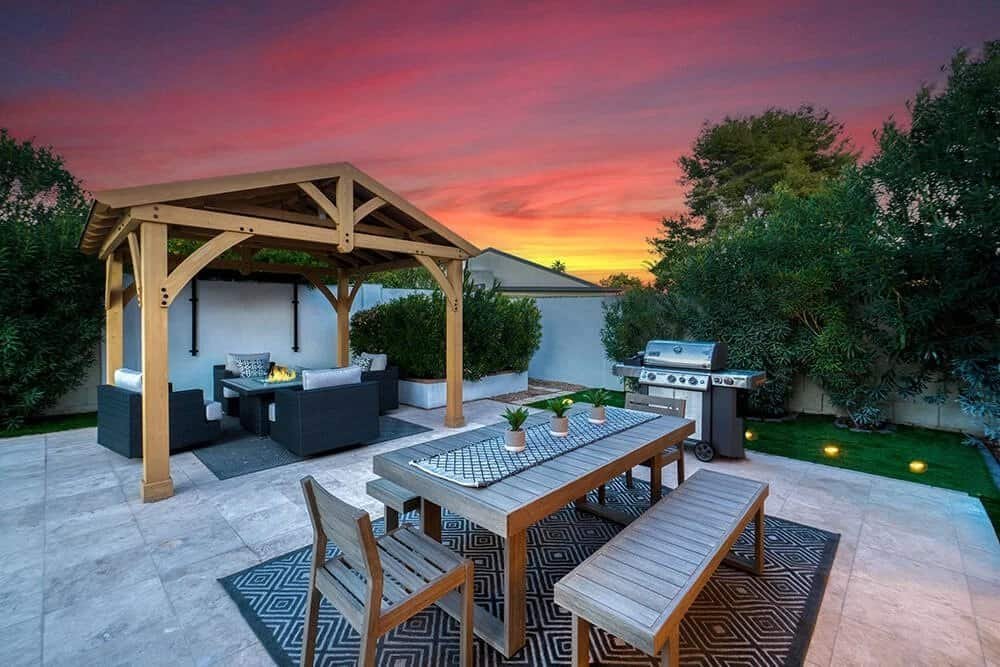
The right combination of shade, screening, furniture and lighting can make a patio more inviting across different seasons. This guide explains how to create an outdoor area that feels practical for quiet mornings, family meals and relaxed entertaining.
Start With Sun, Wind and Privacy
Before adding furniture or shade products, spend time observing the patio at different points during the day. Notice where direct sun falls, how wind moves through the area and whether nearby homes overlook the space. These details will help you choose solutions that suit the site.
A patio facing harsh afternoon sun may need more shade than one protected by the house or nearby trees. An exposed area may also need screening to reduce wind and provide a greater sense of privacy without completely closing off the yard.
External aluminium plantation shutters can provide adjustable screening around a patio. Their louvres can be positioned to help manage sunlight, airflow and views, giving you more control over how open or sheltered the space feels.
Consider these questions before choosing a solution:
- When does the patio receive the strongest direct sun?
- Which direction does the prevailing wind come from?
- Is the area visible from neighbouring properties?
- Do you need shade over seating, dining or cooking areas?
- Will the solution affect access to doors or pathways?
- How much natural light do you want to keep?
Add Flexible Shade for Changing Conditions
Fixed cover can work well for areas that need consistent protection, but adjustable shade can offer more flexibility. A patio may need full shade during hot weather while still benefiting from open views and natural light at other times.
Awning sydney options can help shade a patio without adding permanent posts in the middle of the outdoor area. Folding-arm designs can extend when you need cover and retract when you want more sunlight or an open view.
Check the available wall space and the direction the awning will face before selecting a model. An awning should be positioned to provide useful shade without blocking access, interfering with outdoor lighting or limiting the use of the patio furniture.
Use External Aluminium Plantation Shutters for Greater Control
External aluminium plantation shutters can help make a patio more comfortable by adding adjustable side protection. They can reduce glare, provide privacy and help manage wind without making the outdoor space feel fully enclosed.
The louvres can be angled to suit the conditions. Open settings may allow more light and airflow, while more closed settings can offer additional shade and screening. This flexibility can be useful for patios that are exposed to changing weather across the day.
Choose shutters that suit the scale and style of the home. Consider whether you want fixed panels, hinged panels, sliding panels or another configuration. The layout should allow for access, cleaning and movement around the outdoor area.
Choose Furniture That Supports Everyday Use
Comfortable furniture encourages people to stay longer on the patio. Start with the main use of the space. A dining area may need a sturdy table and enough room for chairs, while a lounge area may need softer seating, side tables and a place to rest drinks.
Avoid crowding the patio with oversized furniture. Leave clear paths between doors, seating and barbecue areas so people can move easily. Choose outdoor materials that suit the level of sun, rain and dust the area receives.
Cushions can add comfort, but they need practical storage when not in use. A storage bench or weather-suitable box can help keep cushions, throws and outdoor accessories clean and ready for the next gathering.
Improve Comfort With Lighting and Warmth
Lighting can make the patio more useful after sunset. Use lighting near steps, paths, dining areas and doorways to improve visibility. Softer lighting near seating can create a relaxed atmosphere without harsh glare.
Outdoor heating may help extend the use of a patio during cooler weather, but it needs to be chosen and positioned safely. Keep heaters clear of fabrics, furniture and other combustible materials. Follow the manufacturer’s instructions and choose a setup suited to the size and ventilation of the outdoor area.
Useful patio features may include:
- Lighting around steps and pathways
- A ceiling fan for airflow in covered areas
- Side tables for drinks and snacks
- Outdoor rugs suitable for the location
- Storage for cushions and accessories
- A safe, well-positioned outdoor heater
Plan for Rain, Drainage and Easy Cleaning
A patio needs to cope with wet weather as well as sunshine. Check that water drains away from doors, walls and seating areas. Pooling water can make surfaces slippery, damage furniture and create muddy patches around the edge of the patio.
Choose patio surfaces that are practical for the location and easy to maintain. Regular sweeping can prevent leaves and dirt from building up around furniture, drainage points and shutter tracks. Wipe down outdoor screens and fittings as needed to keep them operating smoothly.
If your patio sits beneath trees, allow for regular leaf removal and check that gutters, drains and tracks remain clear. This simple routine can help the area stay tidy and ready to use.
Create a Patio That Fits Your Routine
The most comfortable patio is one that works with your lifestyle. It should offer the shade, privacy, seating and weather protection you need without making the outdoor area feel dark or closed in.
Plan around the conditions at your home, then choose adjustable features that give you more control through the year. A well-designed patio can become a reliable space for relaxing, dining and spending time with family and friends.
FAQs
What are external aluminium plantation shutters used for?
External aluminium plantation shutters are used to provide adjustable shade, privacy and airflow around outdoor areas such as patios, balconies and verandahs. Their louvres can be angled to change the amount of sunlight, breeze and visibility passing through. They can help make an exposed patio feel more sheltered while still allowing the area to remain connected to the garden or outdoor view.
Can external aluminium plantation shutters reduce patio glare?
External aluminium plantation shutters can help reduce glare by blocking or filtering direct sunlight before it reaches the patio. Adjusting the louvre angle gives you more control over the amount of light entering the area. This can be useful on patios that receive strong morning or afternoon sun. The level of glare reduction will depend on the shutter position, orientation and surrounding buildings or trees.
Are external aluminium plantation shutters suitable for windy patios?
External aluminium plantation shutters may suit windy patios when they are designed, installed and operated for the conditions at the property. They can provide side screening that helps reduce the effect of breezes in seating and dining areas. The best configuration depends on the patio layout, wind direction and attachment points. Discuss the site conditions before choosing fixed, hinged or sliding shutter panels.
How do I maintain external aluminium plantation shutters?
Maintain external aluminium plantation shutters by removing dust, leaves and debris from the louvres, frames and tracks. Clean the surfaces with a soft cloth and suitable mild cleaner, then check that the louvres and panels move smoothly. Inspect visible fittings for loose parts or damage after storms. Regular cleaning helps preserve the appearance of the shutters and supports reliable operation around the patio.
Can external aluminium plantation shutters add privacy?
External aluminium plantation shutters can add privacy by limiting views into a patio from neighbouring homes, streets or adjoining outdoor areas. The adjustable louvres allow you to change the level of screening while still keeping some light and airflow. They can be especially useful beside seating areas, outdoor dining zones and spas. The amount of privacy will depend on the panel layout and louvre position.