Building schedules rarely slip because of one big problem. More often, small delays add up. A flashing that does not fit at a roof edge, a trim piece cut short, or an enclosure that needs reworking on a ladder can hold up the trades that follow.
Prefabrication is one of the more practical ways to reduce those delays. When metal components are made in a controlled shop environment before they reach the site, crews spend less time cutting, bending, and adjusting parts in the open. Work that depends on dry weather and good light moves indoors, where it can be planned and checked.
This article looks at where prefabricated metal components save the most time and what contractors should specify before an order goes to the shop.
Why Site-Made Metalwork Slows Projects Down
Forming metal on site seems flexible, but it carries hidden costs. Crews need space, power, and tools for cutting and bending. Measurements taken in the field are often rushed, and one wrong cut means a trip back to the supplier for more material.
Weather adds another layer of delay. Rain, wind, and cold limit what can be done safely on a roof or an exterior wall. A crew that waits for a dry day to shape flashing has already lost time, and the schedule for roofing, cladding, and finishing trades moves with it.
Quality also varies. Parts made by hand in the field rarely match one another, so gaps and uneven edges show up at joints. Fixing them takes extra sealant, extra labor, and sometimes a second visit.
Where Prefabricated Components Save the Most Time
Flashings and Trims
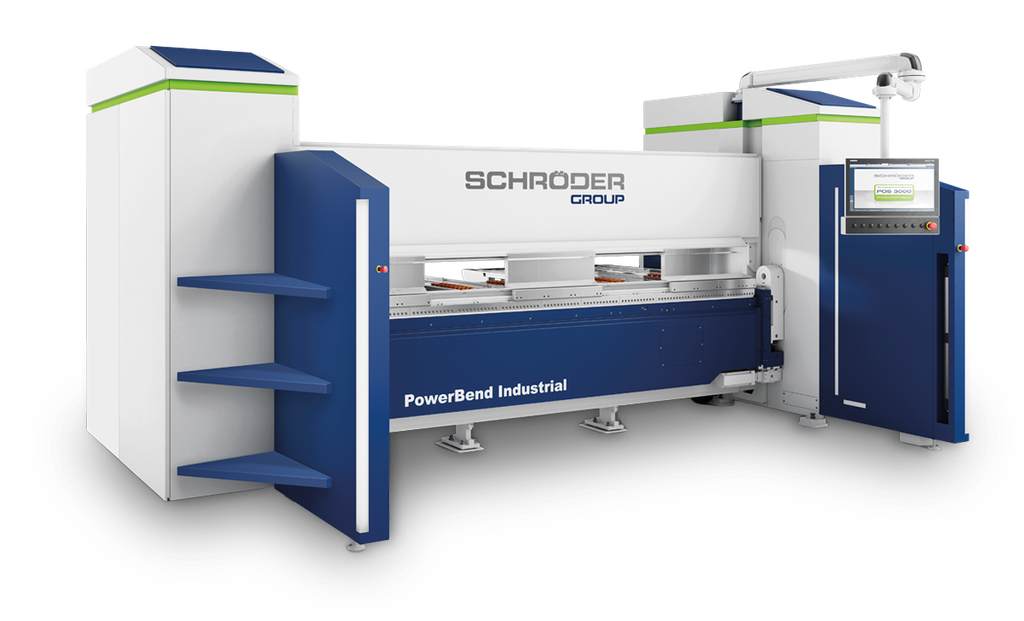
Flashings, drip edges, copings, and trim pieces are repeated across a building. Because the same profile is needed dozens or hundreds of times, they suit shop production well. Shops that produce trims, flashings, and enclosures in volume usually rely on sheet metal folders to hold bend angles consistent across hundreds of identical parts. Consistent angles mean pieces sit flush against each other on site, which cuts down on trimming and sealing.
Enclosures and Housings
Electrical enclosures, equipment covers, and meter housings are often needed on a fixed date, when a mechanical or electrical trade arrives. Having them made and delivered ahead of time keeps those trades working instead of waiting for a custom part.
Cladding and Roof Details
Corner pieces, closures, and edge profiles for metal cladding and roofing are also good candidates. Pre-formed details let crews install panels in sequence and close the building envelope sooner, which protects interior work from the weather.
The main time savings come from three places:
- Fewer field measurements and cuts
- Less rework when parts fit the first time
- Shorter exposure to bad weather during installation
What Contractors Should Specify Up Front
Prefabrication works best when the shop has clear information before production starts. Vague orders lead to the same fit problems that site-made parts have. A good specification covers the following:
- Material type, gauge, and finish or coating
- Dimensions for each profile, including bend angles and return lengths
- Tolerances that the installed part must meet
- Quantities by area or building elevation
- Delivery dates tied to the construction schedule
It also helps to confirm field dimensions before the order is released. A quick check of the actual substrate, rather than the drawings alone, prevents mismatches caused by small construction variances. Where a building has many unique conditions, asking the shop to produce a sample piece for approval can save a larger correction later.
Coordinating Delivery With the Schedule
Prefabricated parts only save time if they arrive when crews need them. Early delivery creates storage problems and risks damage on a busy site, while late delivery stops work. Agree on lead times with the shop at the start, and label and bundle components by location so installers can find each piece quickly.
Project teams should also plan for changes. Design revisions late in the process affect parts already in production, so freezing key dimensions early helps both sides avoid waste.
Plan Metalwork Early to Protect the Schedule
Prefabricated metal components do not remove every risk on a building site, but they do take a repetitive, weather-sensitive task out of the critical path. Contractors who decide on profiles, tolerances, and delivery dates early give the shop what it needs to produce parts that fit, and give site crews fewer reasons to stop and adjust. For the next project, review the flashings, trims, and enclosures in the drawings and ask which of them can be made off site. Even moving a portion of that work to the shop can shorten the schedule and reduce the rework that tends to appear late in a build.