An antistatic PTFE-coated glass fabric is an engineered composite material that combines the mechanical strength of woven E-glass fibers with the thermal endurance and non-stick surface of polytetrafluoroethylene (PTFE). Formulated with carbon black conductive additives, it safely dissipates electrostatic charges to prevent electrical sparks. This unique combination makes it a critical technical textile for high-temperature insulation and safety compliance in explosive industrial environments (ATEX zones).
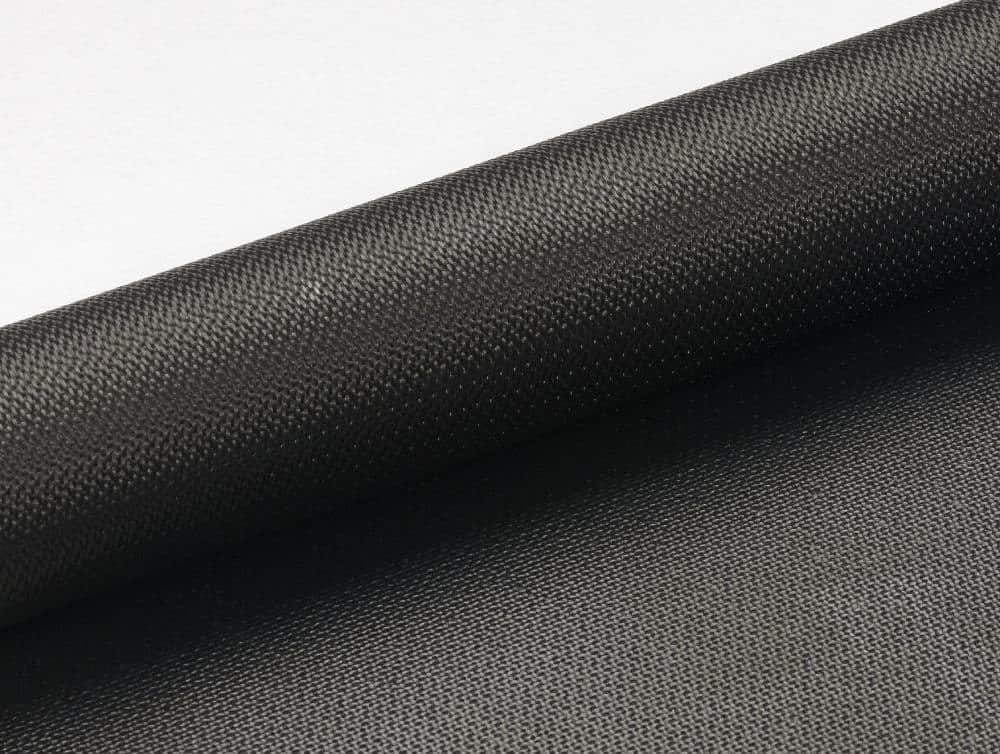
What is an APRONOR antistatic PTFE-coated glass fabric?
Standard fluoropolymers are excellent electrical insulators, but this property leads to static electricity build-up caused by friction. In contrast, antistatic glass fabrics integrate a controlled conductive carbon layer into the PTFE coating matrix. This structure creates a surface resistivity below 10^6 Omega/sq, allowing charges to flow safely to ground. Industrial facility operatorspassitex_antistatic can source custom-cut rolls and bespoke sheets directly via glass fabrics coated with antistatic PTFE.
rostatic dissipation and ATEX zone compliance
In ATEX-classified zones governed by safety directives like EU Directive 2014/34/EU, triboelectric charging represents a severe fire hazard. Moving machinery, fluid lines, and conveyor belts accumulate static charges that can discharge as sparks. The conductive carbon particles embedded in antistatic PTFE fabrics channel these charges away continuously, neutralizing ignition risks in dust- or vapor-laden atmospheres.
Dimensional stability and chemical durability
The woven glass fiber core provides high tensile strength with negligible elongation under load, preserving mechanical alignment. Concurrently, the hydrophobic PTFE outer coating protects the inner structural glass core against chemical degradation, weathering, and moisture penetration.
Key industrial applications and deployment
Fabrication of removable insulation jackets
This technical textile serves as the outer protective skin for custom-made removable insulation blankets applied to valves, pumps, turbines, and heat exchangers. It prevents chemical absorption while protecting personnel and equipment in petrochemical processing facilities.
High-temperature conveyor belts and expansion joints
Due to its anti-stick surface, low wear, and high thermal capacity, the material is widely used for industrial conveyor belts in food processing, packaging sealing systems, and flexible fabric expansion joints in heavy manufacturing power ducts.
Why use antistatic PTFE fabric in ATEX zones?
Standard PTFE stores static electricity, creating dangerous spark hazards. Antistatic PTFE incorporates conductive carbon black to discharge electrostatic energy continuously to ground, preventing explosions in ATEX environments containing flammable gases, vapors, or combustible dust.
What is the maximum operating temperature for antistatic PTFE glass fabric?
The composite withstands continuous operating temperatures ranging from -150 °C up to +260 °C (-238 °F to +500 °F) without degrading its electrical dissipation, mechanical flexibility, or non-stick properties.
Is antistatic PTFE glass fabric resistant to harsh chemicals?
Yes, the fluoropolymer coating provides nearly universal chemical inertness. It resists organic solvents, strong acids, and corrosive alkalis, making it ideal for aggressive chemical processing and offshore environments.
Which industries commonly deploy antistatic PTFE glass fabrics?
Key sectors include petrochemical processing, pharmaceutical manufacturing, oil and gas refining, food processing, industrial conveyor systems, and the manufacturing of thermal insulation blankets.