Creating a comfortable home environment is about more than just temperature. It’s about how fresh air flows through your space and how lighting affects your mood and daily activities. Smart airflow and strategic lighting can drastically transform your living space from ordinary to truly restful and functional. This article looks at practical ways to maximize comfort at home by optimizing air circulation and lighting.
Why Smart Airflow Matters
Good airflow does more than keep a room cool. It helps regulate humidity, reduces stale air and odors, and even improves focus and energy levels. Poor air circulation can make rooms feel stuffy and uncomfortable, especially in spaces with limited windows or airflow pathways. Smart airflow means using technology and intentional design to ensure every room feels just right.
Start with Ceiling Fans
Ceiling fans are one of the most efficient ways to improve airflow. They use minimal energy compared with air conditioning systems and can be adjusted seasonally to either cool a room or support heat distribution. For summer months, fans should rotate counter‑clockwise to generate a cooling breeze. In winter, switch rotation to clockwise at low speed to redistribute warm air that gathers near the ceiling.
If you are looking to upgrade your living spaces with both style and comfort in mind, browse City Lights collection of indoor fans with lights. These fans offer dual functionality: enhancing airflow while providing stylish and effective illumination. It’s a great way to declutter your ceiling of separate fixtures and keep your home looking cohesive.
Use Smart Fan Controls
Modern smart fans often pair with smartphone apps or voice assistants, letting you adjust speed, schedule on/off times, and monitor performance without getting up. These controls are not just convenient; they help you use airflow more efficiently. For example, setting your fan to turn on a bit before you arrive home can help create a welcoming environment without wasting energy.
Think About Placement
For maximum effect, think about where air needs to move. In long or narrow rooms, place fans or vents where air can push across the entire space rather than just in one corner. In multi‑story homes, use airflow devices to help balance temperatures between floors.
Layer Your Lighting
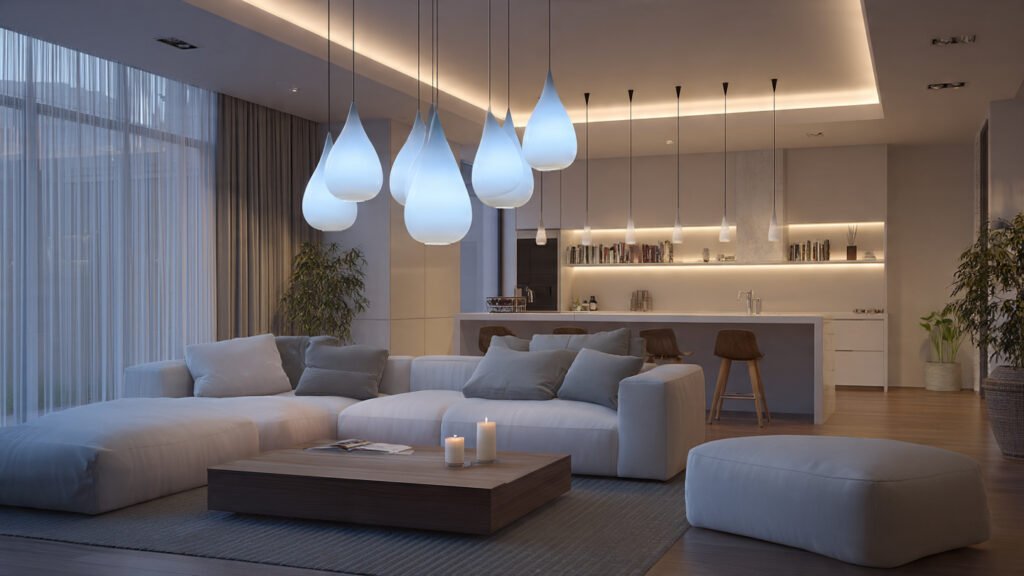
Lighting influences comfort just as much as airflow. The right lights can reduce eyestrain, support your sleep cycle, and accentuate your home’s best features. A layered lighting strategy includes ambient, task, and accent lighting:
• Ambient lighting is your base level of light for general use.
• Task lighting is focused on areas where specific activities happen, like reading or cooking.
• Accent lighting highlights architectural features or decorative elements.
Incorporating fans that include light fixtures, like those in the City Lights collection, allows you to blend ambient lighting with air movement seamlessly. Whether you’re hosting friends in the living room or enjoying a quiet evening at home, combining these elements keeps your space functional and inviting.
Go Smart with Light Controls
Just like smart fans, smart lighting systems offer schedules, dimmers, and color settings. You can adjust lights to match your circadian rhythms, shifting from bright, cool light during the day to warmer, softer light in the evening. Connecting your lights to home automation systems or voice assistants lets you fine‑tune illumination without flipping switches.
Maintain Your Systems Regularly
Finally, to keep airflow and lighting systems working their best, regular upkeep is key. Clean fan blades every few months to prevent dust build‑up and check light fixtures for burnt‑out bulbs or flickering. For smart devices, keep firmware updated to ensure reliable performance and access to the latest features.