Moving into a new home is an exciting milestone, but it’s also the moment when good planning can save you time and money and help you avoid frustration later. Many homeowners focus on unpacking and decorating after they move in, only to realize that some design decisions would have been much easier to make earlier. Smart interior planning before moving day allows you to create a functional, comfortable, and visually cohesive home from the start.
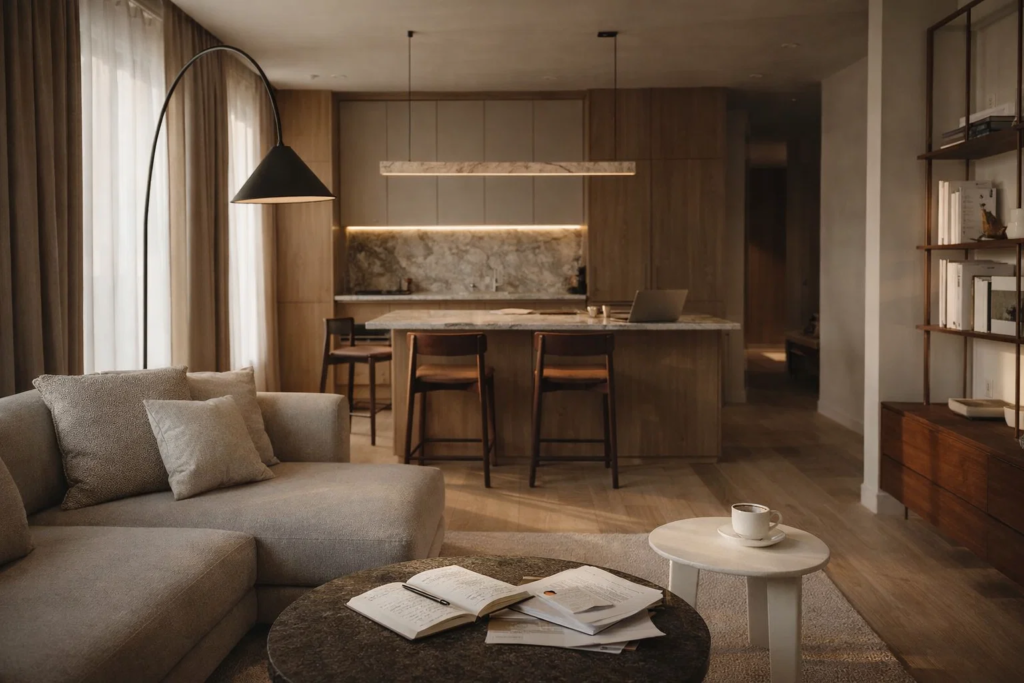
Understand How You’ll Use Each Space
Before choosing furniture or finishes, take time to consider how each room will be used. A living room that looks beautiful but doesn’t support everyday activities will quickly feel impractical. Ask yourself questions such as: How many people will regularly use the space? Will it serve multiple purposes, such as a family hangout, workspace, or guest area? Understanding these needs upfront helps ensure each room functions efficiently.
For instance, if the kitchen functions as a breakfast space or homework center, it’s important to ensure it accommodates the seating requirements and comfortable traffic flow. When it comes to bedroom layouts, the placement of storage units and nightstands, as well as the amount of natural light received during the day, should be considered.
Plan Furniture Layouts in Advance
One of the most common mistakes homeowners make is buying furniture before understanding the proportions of the room. Measuring the spaces and planning the furniture layout will help homeowners avoid costly mistakes. This way, the house will feel spacious and comfortable right away. Take careful note of door swings, window placement, built-in features, and walkways — all of these factors influence how furniture can be arranged without obstructing movement or natural light.
It’s also worth considering the scale of the furniture in relation to the room. Oversized pieces can overwhelm smaller spaces, while too-small items may make a room feel empty or unbalanced.
Prioritize Lighting Needs Early
Lighting plays a major role in how a home feels, yet it’s often treated as an afterthought. Before moving in, evaluate whether the current electrical layout and lighting setup meet your lifestyle needs. Consider where additional outlets, switches, or lighting fixtures may be needed for convenience and comfort, especially in high-traffic areas such as kitchens, living rooms, and home offices.
Consider the various types of lighting required. Ambient lighting is used for general household activities, task lighting for specific activities like cooking or reading, and accent lighting to highlight particular features such as architecture, art, or greenery. Careful thought about this beforehand will ensure that every room is not only functional, comfortable, and practical but also aesthetically pleasing.
Finally, consider how the lighting you choose also works with the natural light throughout the day and how you can use artificial light effectively. For instance, a warm light at night can create a warm, inviting space in your living areas, but a strong light in the kitchen or office helps prevent eye strain.
Address Storage Options
Storage is the fundamental feature of a well-functioning home, but it is often forgotten until moving day. You need to determine whether the existing storage areas — closets, cabinets, and built-in storage — will do the job before you bring in the boxes and the furniture. The storage space you have at home is important. For example, high shelves may be hard to reach, and deep closets can become cluttered without proper shelving or bins.
Think about the types of items you need to store in each room. In bedrooms, you may need space for seasonal clothing, shoes, or accessories. Kitchens and pantries require room for appliances, utensils, and food storage. Living areas might need concealed storage for electronics, toys, or books.
Multi-functional furniture is a practical way to maximize storage without sacrificing style. For homeowners seeking storage pieces that combine design with utility, Globus China offers a range of furniture with built-in storage compartments.
Choose Finishes With Long-Term Use in Mind
While choosing colors, patterns, and textures is important, durability and ease of maintenance should be a top priority. Flooring, countertops, cabinetry, and wall finishes all experience daily wear, and selecting materials that can withstand this use will save you time, effort, and money in the long run.
Consider your lifestyle and your home needs. For instance, a home with children and pets may need scratch-resistant floors, stain-resistant furniture, and durable countertops such as quartz or granite. However, a smaller home with a more relaxed traffic pattern can accommodate more elegant, stylish finishes, even though they are higher-maintenance.
Maintenance is another big factor to keep in mind. Few materials, such as solid wood or natural stone, require periodic sealing, polishing, or refinishing, whereas materials like laminate, engineered wood, or ceramic tiles offer simpler cleaning routines. Balance the style with practical maintenance so that a home will still look beautiful and work properly in the future.
Think About Flow and Cohesion
A well-planned interior feels cohesive rather than disjointed, and flow is one of the key elements that makes a home comfortable and visually appealing. Before moving in, take a step back and consider how each room connects to the next, both physically and visually. This includes not only the layout of doors, hallways, and open-plan spaces, but also how colors, materials, and design styles transition from one area to another.
Good flow ensures that movement through your home feels natural. Avoid blocking sightlines with large furniture pieces or clustering items in a way that interrupts traffic patterns.
Colors, textures, and finishes should complement one another throughout the home. This doesn’t mean every room needs to look identical, but there should be a thread of continuity that ties the interior together. For example, repeating accent colors in different rooms, using similar wood tones for flooring and furniture, or choosing complementary wall finishes can make the entire home feel intentional and harmonious.
Plan for Future Needs
Smart interior planning isn’t just about the present — it’s also about anticipating how your needs may evolve. For example, a spare bedroom might initially serve as a guest room, but in a few years, it could become a home office, nursery, or hobby space. Designing this room with adaptable furniture, modular storage solutions, and flexible layouts makes it easy to repurpose without major renovations. Similarly, a dining area could double as a workspace or study zone if the furniture arrangement and lighting are planned with multifunctionality in mind.
Even small design choices can have a long-term impact. Neutral finishes, classic materials, and timeless furniture styles are more likely to remain relevant as trends change. Planning for future needs also means leaving space for upgrades, such as additional lighting, technology integration, or smart home features, without disrupting the existing layout.
Don’t Rush Decorative Decisions
Accessories, artwork, textiles, and accent pieces are what give a home personality and warmth, but these choices are best made after you’ve spent some time living in the space. Rushing decorative decisions can lead to purchases that don’t fit the room’s scale, lighting, or overall aesthetic.
Take time to observe how natural and artificial light interacts with each room at different times of day. Colors and textures can look very different in morning sunlight and evening lighting, and small differences can affect how decorative items harmonize with your interiors. Living in space for a short period allows you to make choices based on real experience rather than assumptions.
Consider layering your decorative choices gradually. Start with essential elements, like rugs, curtains, and key artwork, and then add smaller accents over time. This approach allows you to adjust based on how the room feels once furniture is in place, how you actually use the room, and how your personal style evolves.
Final Thoughts
Moving into a new home is the perfect opportunity to set the foundation for a well-functioning interior. By planning layouts, lighting, storage, and finishes before moving in, homeowners can avoid common pitfalls and create spaces that feel both comfortable and intentional.
Smart interior planning doesn’t require a massive budget — it requires foresight. Taking the time to plan before moving in ensures your home supports your lifestyle from day one, making the transition smoother and the long-term living experience more enjoyable.