Sustainable building practices have moved far beyond just installing solar panels and high-efficiency windows. A truly sustainable structure considers every single component, no matter how small, for its longevity and environmental impact. This includes building hardware, often overlooked, like door handles, hinges, lighting fixtures, and cabinet pulls.
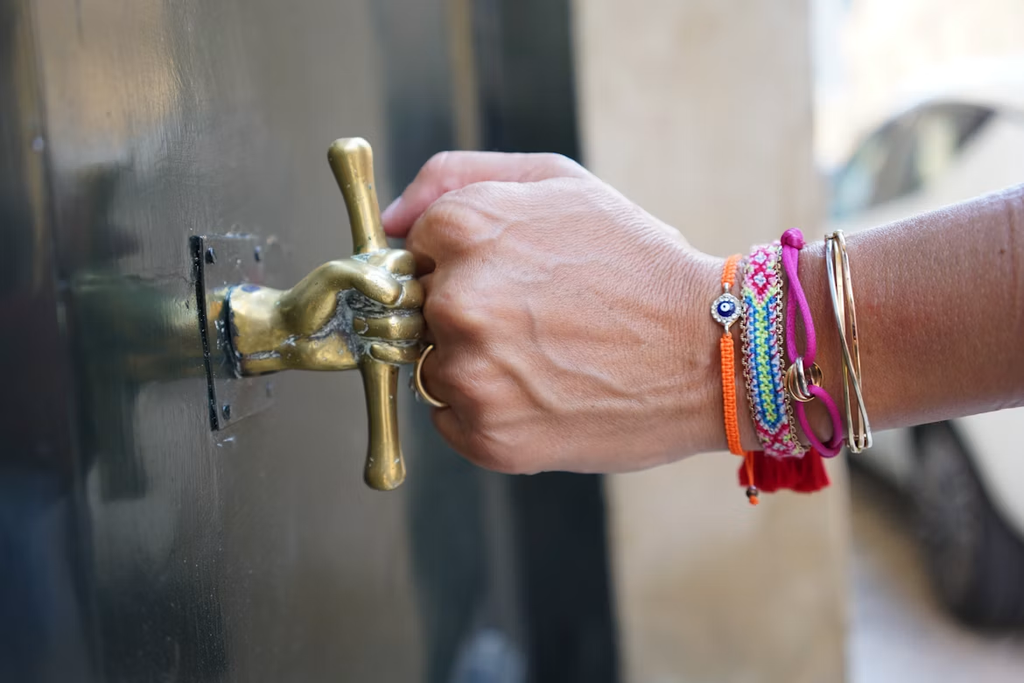
These small details play a critical part in a building’s overall lifecycle, affecting everything from how often it needs maintenance to how much waste it creates during demolition.
Beyond Energy Efficiency
For decades, green building discussions focused mainly on operational energy, or the power used for heating, cooling, and lighting.
While that’s still a crucial part of the picture, a more complete view of sustainability now includes embodied carbon and lifecycle assessment. This means looking at a product’s environmental impact from when its raw materials are dug up, through manufacturing, transport, use, and finally, disposal.
With this in mind, hardware choices become much more important. A cheap light fixture that needs replacing every five years adds far more to landfills and uses more resources than a durable, well-made alternative designed to last for decades.
Choosing classic, resilient fixtures, like some of the top luxury timeless brass wall lights, means they won’t be thrown out because they broke or went out of style. This approach cuts down on long-term waste and the environmental cost of making and shipping replacement products.
Material Selection for Longevity
A material’s makeup directly affects how long hardware lasts and, by extension, how sustainable it is. Many cheap hardware options use plated zinc alloys or plastics, which can easily corrode, break, or wear down. Over time, finishes can peel and mechanisms can fail, leading to frequent replacements. This cycle of replacing things creates a lot of waste and ongoing costs.
On the other hand, choosing hardware made from solid, tough materials is an investment in something that will last.
- Solid Brass: Known for its excellent resistance to corrosion and strength, brass develops a natural look over time but doesn’t fall apart. It can be easily recycled at the end of its long life.
- Stainless Steel: This material is very strong and resists rust and stains, making it perfect for both inside and outside.
- Bronze: Like brass, bronze is a durable alloy that stands up to weather and heavy use, often lasting as long as the building itself.
The direct connection between material selection and longevity is a basic rule of sustainable design, ensuring that components don’t become the weak point in a building’s performance.
Hardware’s Contribution to Building Life
Functional hardware is essential for a building’s daily use and long-term health. A broken window latch can compromise security and home ventilation design. A broken door hinge can make it hard to get around and create safety risks. Low-quality cabinet pulls can snap off, making storage difficult to use. Each of these small failures makes the building less usable and adds to the maintenance workload.
High-quality hardware, however, makes the entire structure work better and last longer. Doors that open smoothly, secure windows, and reliable cabinets create a good experience for users and reduce the need for constant repairs. By investing in hardware built to handle repeated use, project owners can extend the life of building elements and minimize disruptions.
Reducing Waste Through Quality Choices
The construction and demolition industry creates a lot of landfill waste. A big part of this waste comes from renovation and repair work, where broken or old components are ripped out and discarded. Choosing quality hardware from the start is a powerful way to reduce waste.
This “buy it once, buy it right” mindset challenges the throwaway culture that has become common in parts of the building sector. While premium hardware might cost more initially, that cost is often balanced by not needing future replacements. Think about the total cost of ownership, which includes:
- The price of multiple replacement products over time.
- The labor costs for removal and installation.
- The environmental cost of making and getting rid of broken items.
When you look at it this way, investing in durable, well-made hardware isn’t just a sustainable choice; it’s also a smart financial one. It shows a commitment to building for the long haul, not just for short-term savings.
Ultimately, the small details in a building project add up to make a big difference. By carefully considering hardware, architects, builders, and owners can create spaces that are not only beautiful and functional but also truly sustainable for the long term.