Construction is one of the most essential industries in the world it builds our roads, bridges, homes, and commercial spaces. Yet despite its importance, construction remains one of the most dangerous professions globally. To minimize these risks, workers rely on proper training, hazard awareness, and essential protective equipment such as a hi vis vest, which enhances visibility and reduces the chance of accidents on active job sites. Understanding the hazards of construction work is the first step toward creating a safer environment for everyone involved.
Why Construction Work Is Considered High-Risk
Construction sites are dynamic environments where conditions change rapidly and hazards can appear unexpectedly. Workers operate heavy equipment, handle power tools, work at heights, and perform tasks in unpredictable outdoor environments.
Common factors that make the job dangerous include:
- Multiple crews working simultaneously
- Constant movement of vehicles and machinery
- Elevated work areas like scaffolding or rooftops
- Weather changes impacting footing and visibility
- Loud noise masking communication and warnings
- Materials stored or transported overhead
The combination of human activity, machinery, and environmental factors makes construction riskier than many other professions.
The Most Common Hazards on Construction Sites
1. Falls From Heights
Falls are the leading cause of fatal injuries in construction. Workers often operate on ladders, scaffolding, rooftops, or incomplete structures where a small misstep can have severe consequences.
2. Struck-By Accidents
These involve workers being hit by vehicles, falling tools, or shifted loads. High-visibility gear such as vests, jackets, and reflective strips significantly reduces these risks.
3. Electrocution Hazards
Live electrical wires, power lines, and faulty equipment can result in severe injuries or fatalities.
4. Caught-In or Caught-Between Hazards
These incidents include being pinned between heavy equipment, crushed under materials, or caught in moving machinery.
5. Hearing Damage
Constant noise levels from tools, heavy vehicles, and machinery can cause permanent hearing loss if proper protection isn’t used.
6. Respiratory Hazards
Dust, chemical fumes, and welding gases can lead to chronic health conditions without proper masks or ventilation.
Why Visibility Is One of the Most Critical Safety Factors
Construction workers often operate in environments where visibility is compromised early morning, nighttime, fog, or dimly lit areas. Even during daylight, busy job sites create visual distractions.
A hi vis vest helps workers stand out, making them clearly visible to equipment operators, truck drivers, and coworkers. This small piece of gear dramatically reduces the likelihood of struck-by accidents, which are among the most common non-fatal injuries in the industry.
High-visibility apparel is essential for:
- Roadside construction
- Night work
- Warehouse loading zones
- Sites with forklifts or large trucks
- Weather conditions with low visibility
In many regions, hi-vis gear is not just recommended it’s required by law.
Equipment That Every Construction Worker Should Use
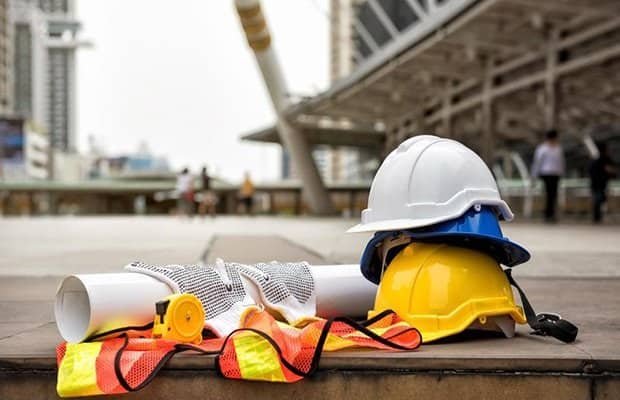
Safety gear plays a major role in preventing injuries and ensuring compliance with OSHA standards.
1. Hard Hats
Protect workers from falling debris, head collisions, and electrical hazards.
2. Hi-Vis Clothing
Reflective vests, jackets, and shirts ensure workers are seen from a distance.
3. Steel-Toe Boots
Protect against heavy impacts, sharp objects, and slip hazards.
4. Safety Glasses and Face Shields
Prevent eye injuries caused by dust, sparks, or flying debris.
5. Gloves
Provide grip and protect against cuts, burns, and chemical exposure.
6. Harnesses for Fall Protection
Essential when working at heights of six feet or more.
How Training Reduces Construction Risks
Even the best safety gear cannot replace proper training. Workers must understand not only how to use equipment but also how to identify hazards before accidents occur.
Effective training includes:
- Fall prevention techniques
- Machinery operation certification
- Electrical safety procedures
- Emergency response practice
- Hazard communication and signage
- Proper PPE usage and inspection
When teams are well-trained, they can make better decisions under pressure and avoid unnecessary dangers.
The Importance of Job Site Communication
Poor communication leads to missteps, misunderstandings, and serious accidents.
Strong communication practices include:
- Daily safety briefings
- Clearly marked work zones
- Radio systems for large sites
- Unified hand signals for crane operations
- Visible signage where hazards exist
Construction work is complex clear communication saves lives.
Building a Safety-First Mindset
Safety is not just equipment it’s culture. Every worker must feel responsible for their own safety and the safety of others.
Safety-first habits include:
- Inspecting PPE daily
- Speaking up when spotting hazards
- Reporting near-miss incidents
- Keeping work areas clean and organized
- Staying alert and avoiding shortcuts
A strong safety culture reduces accidents and improves productivity.
Final Thoughts
Construction will always involve a degree of risk but many accidents are preventable. With the right training, protective equipment, and safety mindset, workers can significantly reduce the dangers they face every day. Something as simple and effective as wearing a hi vis vest can make all the difference. When safety is prioritized, job sites become not just more compliant but more humane, efficient, and professional environments for everyone involved.