Construction sites are demanding environments for equipment.
Forklifts, lifts, loaders, generators and other machines operate around dust, debris, uneven surfaces, changing weather conditions and constantly evolving work areas. Equipment may be moved between tasks, shared by several crews and used for long hours when schedules become tight.
Under those conditions, maintenance can easily become reactive.
A machine is still operating, so it remains in service. A minor leak is postponed until the end of the week. An unusual noise is ignored because the equipment is needed for another delivery. Scheduled maintenance gets pushed back because taking the machine out of service would interrupt work.
Then a small problem becomes a breakdown.
What could have been handled during a planned inspection suddenly affects deliveries, material movement, labor productivity and the project schedule.
Preventive maintenance helps reduce that risk by identifying problems earlier and giving project teams more control over when equipment receives attention.
Construction Equipment Operates Under Difficult Conditions
Equipment on a construction site rarely works in a controlled environment.
Dust can affect filters and cooling systems. Uneven ground places additional stress on tires, wheels and suspension components. Weather exposure can accelerate wear, while heavy loads place greater demands on hydraulic and mechanical systems.
Conditions may also change dramatically as a project progresses.
Early in construction, equipment may travel across unfinished ground. Later, temporary roads, storage areas, structures and work zones can alter how the same machine is used.
A forklift operating indoors on a clean warehouse floor experiences different conditions from equipment moving materials across an active construction site.
Maintenance schedules should reflect those differences rather than assuming every machine requires identical service.
Small Problems Can Turn Into Expensive Failures
Major equipment failures often begin with relatively minor signs.
A hydraulic hose starts to seep.
A tire develops uneven wear.
A bearing begins making noise.
A battery gradually loses capacity.
A filter becomes increasingly restricted.
A steering or braking component begins behaving differently.
When these conditions are identified early, repairs may be relatively straightforward.
When they are ignored, additional damage can occur.
A small hydraulic leak can become a failed hose. Worn components can place stress on surrounding systems. Battery problems can eventually leave equipment unavailable during an important task.
Preventive maintenance creates opportunities to address these problems while they are still manageable.
The objective is not to eliminate every unexpected repair. Mechanical equipment will always experience some unpredictable failures.
The objective is to prevent avoidable problems from becoming larger operational disruptions.
Downtime Can Affect the Entire Project
When construction equipment becomes unavailable, the consequences often extend beyond the machine itself.
A forklift may be scheduled to unload an incoming delivery.
A lift may be required by several trades.
A loader may need to clear an area before another crew can begin work.
Material-handling equipment may be responsible for moving components into position before installation can begin.
If the equipment fails, work elsewhere on the project can slow.
Deliveries may wait.
Workers may be reassigned.
Materials may remain in staging areas.
Another crew may be unable to begin because the equipment or materials it needs are not available.
This is why equipment reliability should be considered part of project scheduling.
A maintenance problem can quickly become a coordination problem.
Planned Maintenance Gives Project Teams More Control
One of the greatest advantages of preventive maintenance is predictability.
If a machine requires scheduled service, supervisors can plan around the downtime.
Another unit can be arranged.
Work can be shifted to a different part of the day.
The service can be completed during a lower-demand period.
Rental equipment can be brought in temporarily if necessary.
Unexpected failure provides none of that flexibility.
The equipment becomes unavailable immediately, regardless of what the project schedule requires.
A structured equipment maintenance program can help organizations coordinate inspections, preventive service and repairs before developing mechanical problems create larger interruptions.
For project managers, the difference between planned downtime and emergency downtime can be significant.
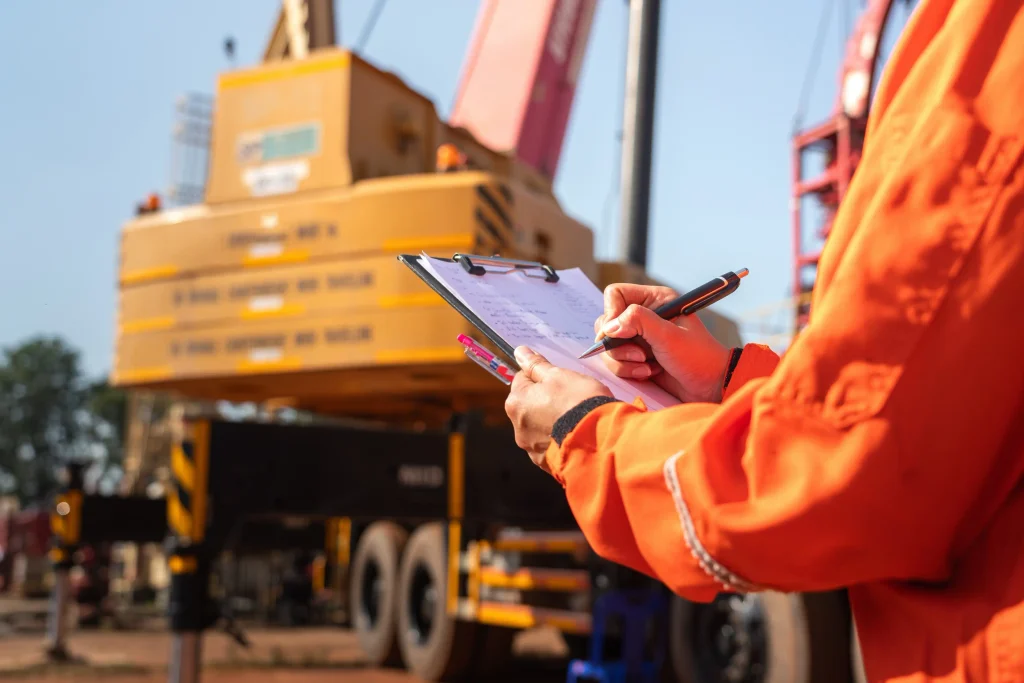
Daily Inspections Are the First Line of Defense
Preventive maintenance does not begin only when a technician arrives.
Equipment operators are often the first people capable of identifying developing problems.
A basic pre-use inspection may reveal:
- visible leaks
- damaged or worn tires
- worn forks or attachments
- loose components
- damaged hoses
- warning lights
- battery problems
- steering issues
- braking problems
- low fluid levels
- obvious structural damage
Operators should also remain alert while the equipment is running.
A new vibration, unusual noise, slower hydraulic response or change in handling may indicate that something requires attention.
These observations should be reported promptly.
Operators work with equipment every day and often recognize subtle changes before a formal inspection identifies them.
Maintenance Records Reveal Patterns
Construction fleets often contain equipment of different ages, manufacturers and usage levels.
Without organized records, it can be difficult to determine which machines are reliable and which are becoming increasingly expensive to maintain.
Tracking inspections, repairs, service history and downtime can reveal useful patterns.
One machine may repeatedly experience hydraulic problems.
Another may require frequent tire replacement.
A particular unit may spend significantly more time out of service than similar equipment.
Individual repairs may not appear alarming on their own.
Viewed together, however, they may show that a machine is becoming less dependable.
Maintenance records therefore help managers evaluate the true operating history of an asset rather than relying on impressions or the cost of the most recent repair.
Equipment Usage Should Influence Service Frequency
Not every machine accumulates wear at the same rate.
A forklift used throughout multiple shifts will experience different maintenance demands from one used only for occasional deliveries.
A lift may sit idle during one phase of a project and then operate continuously during another.
Operating hours provide important context.
Equipment working long hours, carrying demanding loads or operating in difficult environments may require more frequent attention than lightly used machines.
Utilization data can also reveal when equipment is being overworked.
If one machine consistently accumulates substantially more hours than similar units, repeated maintenance problems may be a sign that workload needs to be distributed differently or that additional capacity is required.
Maintenance and fleet planning are often closely connected.
Material-Handling Equipment Is Critical to Jobsite Flow
Construction projects depend on continuous material movement.
Steel, lumber, piping, equipment and prefabricated components must be unloaded, staged and eventually moved into work areas.
Forklifts and other material-handling equipment often support this flow.
When one of these machines becomes unavailable, crews may lose access to materials even though those materials are already on the site.
That makes material-handling reliability especially important.
Equipment performing these functions should receive the same maintenance attention as other mission-critical project assets.
A relatively minor mechanical failure can become a much larger problem when it prevents materials from reaching the people waiting to install them.
Site Conditions Should Influence Maintenance Decisions
Construction environments change constantly.
Equipment may initially operate across open ground and later work around finished structures, temporary roadways or congested staging areas.
Dust levels can increase during demolition or earthwork.
Rain may create mud and moisture.
Temperature extremes can affect batteries, fluids and other components.
These changes can alter the demands placed on equipment.
Supervisors and maintenance teams should communicate when a machine begins operating under substantially different conditions.
A maintenance schedule that was appropriate earlier in the project may need to be adjusted as the application changes.
Maintenance and Safety Are Closely Connected
Mechanical reliability also supports safe equipment operation.
Brakes need to respond consistently.
Steering systems need to function correctly.
Tires need to remain in usable condition.
Forks, chains, attachments and lifting components must be inspected for wear or damage.
Construction sites already involve significant interaction between workers, vehicles, deliveries and equipment.
Mechanical uncertainty adds another risk.
Preventive maintenance helps ensure that equipment behaves as operators expect when they need to maneuver, stop, lift or position a load.
Maintenance should therefore be viewed as part of the broader safety system rather than only as an equipment expense.
Busy Periods Are Not a Reason to Postpone Maintenance
One of the easiest maintenance mistakes is delaying service because equipment is needed.
Ironically, the busiest periods are also when reliable equipment matters most.
Postponing maintenance may preserve capacity for another day or another week, but it can increase the risk of a longer interruption later.
Project managers should account for maintenance when planning equipment capacity.
That may mean keeping backup equipment available, rotating machines through service or arranging temporary rental equipment while a critical unit is being repaired.
The goal is to make maintenance part of the operating plan instead of something performed only when the project becomes quiet.
Rental Equipment Can Protect the Maintenance Schedule
Temporary replacement equipment can help when a project cannot afford to lose capacity during scheduled service.
Rather than postponing maintenance, a rental unit can cover the workload while the permanent machine is inspected or repaired.
This approach can be particularly useful when a forklift or other material-handling asset supports several critical workflows.
Rental equipment can also provide a bridge when an inspection reveals that repairs will take longer than expected.
The permanent asset receives the service it needs while the project continues moving.
Know When Continued Repair No Longer Makes Sense
Preventive maintenance can extend equipment life, but no machine should remain in service indefinitely simply because it can still be repaired.
Eventually, some assets become too unreliable or expensive to justify continued investment.
Managers should look beyond the next repair estimate and consider factors such as:
- equipment age
- operating hours
- maintenance history
- downtime frequency
- parts availability
- safety condition
- utilization
- importance to the project
- replacement cost
An older machine that remains reliable may continue delivering value for years.
Another asset with repeated failures may create too much operational risk even if each individual repair appears affordable.
The decision should reflect how the equipment performs and the role it plays in the operation.
Preventive Maintenance Supports Project Reliability
Construction projects depend on coordination.
Materials must arrive at the right time.
Equipment must be available to move them.
Crews often depend on work performed by other crews before they can begin.
Small disruptions can spread quickly through the schedule.
Preventive maintenance helps reduce one source of that uncertainty.
Regular inspections identify developing problems earlier. Scheduled service helps keep equipment operating within proper conditions. Maintenance records reveal recurring issues. Planned repairs give managers greater control over when machines become unavailable.
No maintenance strategy can prevent every breakdown.
But a disciplined approach can substantially reduce the likelihood that an avoidable mechanical problem will interrupt work at the worst possible time.
On a busy construction site, reliable equipment is not simply convenient.
It is part of keeping the entire project moving.