Rain can ruin hours of hard work and thousands of dollars in materials if it hits your concrete at the wrong time. Getting caught off guard by unexpected weather is one of the most common and costly mistakes in concrete work. How do I protect freshly poured concrete from rain?
Cover fresh concrete with plastic sheeting or tarps as soon as finishing is complete, ensuring the covers don’t touch the surface during the first few hours. For the first 2-4 hours after pouring, even light rain can damage the surface and weaken the concrete’s strength.
The timing of when rain hits makes all the difference between minor surface blemishes and serious structural problems, so understanding the different protection strategies for various stages of curing will help you make the right call when weather threatens your project.
When Is Fresh Concrete Most Vulnerable To Rain?
The first 24 hours after pouring are critical, but concrete is especially vulnerable during different windows for different reasons. In the first 2-4 hours, concrete hasn’t gained any significant strength, and the surface is still soft and workable. Rain during this period can wash away cement paste, create pockmarks, weaken the surface layer, and cause serious scaling issues down the road.
Between 4-8 hours after pouring, the concrete has started to set but still hasn’t developed much strength. Light rain may only cause cosmetic surface issues, but heavy rain can still penetrate and affect concrete quality. After 24 hours, concrete has typically gained enough strength that light rain won’t cause structural damage, though the surface can still be affected if it’s not properly cured.
What Materials Can I Use To Cover Concrete?
Plastic sheeting is the most common and effective rain protection for fresh concrete. Use 6-mil polyethylene plastic sheets that are large enough to cover the entire slab plus at least 2 feet beyond all edges. Secure the edges with lumber, bricks, or sandbags to prevent wind from blowing the covers away, but make sure the plastic doesn’t touch the concrete surface during the first few hours when the finish is still soft.
Waterproof tarps or canvas can also work, especially for smaller projects. These materials are more durable and reusable than plastic sheeting. Sourcing protective materials or partnering with a professional concrete contractor like www.paradiseconcretesolutions.com ensures you have access to contractor-grade polyethylene sheeting with appropriate mil thickness ratings, heavy-duty tarps designed for construction use, and proper anchoring systems that withstand wind without damaging the surface. Purchasing these items or consulting with experts ahead of your pour date—rather than scrambling for last-minute solutions—gives you the quality tools and guidance needed to protect your investment when weather threatens. For vertical surfaces like walls or columns, you can wrap them with plastic and secure with tape or straps.
How Should I Cover Concrete To Avoid Damaging The Finish?
The technique for covering concrete depends on how long ago it was poured. For the first 2-4 hours, when the surface is still soft, you need to create a “tent” structure that keeps the plastic or tarp from touching the concrete. Set up supports using lumber, chairs, buckets, or stakes positioned around the perimeter and at intervals across larger slabs. Drape your covering material over these supports so it sheds water away from the concrete without making contact.
After the concrete has hardened enough that you can walk on it without leaving marks (usually 4-8 hours), you can lay plastic directly on the surface. At this point, contact won’t damage the finish. Make sure the plastic extends well beyond the edges and is weighted down securely.
For emergencies where rain starts unexpectedly during the vulnerable early hours, immediate coverage is more important than perfect technique. Get the concrete covered quickly, even if the plastic touches the surface in some spots.
What If It Starts Raining During The Pour?
If rain begins while you’re actively pouring concrete, you need to make a quick decision based on rainfall intensity. For drizzle or mist, you can usually continue working as long as you’re prepared to cover the concrete immediately after finishing. The water-cement ratio is carefully calculated, so any additional water can weaken the concrete.
For moderate to heavy rain, stop the pour if possible. If you’ve only placed a small amount of concrete, it may be better to remove it entirely rather than risk a weak slab. If you’ve already poured a significant portion, work quickly to finish what you can, then cover it immediately.
Never try to work rainwater into the surface of fresh concrete. This dramatically increases the water-cement ratio at the surface, leading to dusting, scaling, and premature deterioration.
Can Light Rain Damage Concrete After It’s Set?
Once concrete has achieved initial set (typically 4-8 hours depending on temperature and mix design), light rain is less likely to cause structural damage but can still affect the surface appearance. Light rain at this stage might leave small pockmarks or a slightly rougher texture than intended.
The concern with rain after the initial set is mainly about the curing process. Concrete needs moisture to cure properly, but it needs controlled moisture. Rain can be beneficial for curing in some cases, but heavy rain can cool the concrete too quickly or wash away curing compounds if they were applied to the surface.
For the first 24-48 hours, it’s still best practice to protect concrete from rain even after it has set.
How Long Does Concrete Need To Be Protected From Rain?
As a general rule, concrete should be protected from rain for at least 24 hours after pouring. This gives the concrete time to achieve sufficient strength so that rain won’t cause structural problems. However, the ideal protection period varies based on several factors.
Temperature plays a major role in how quickly concrete gains strength. In warm weather (above 70°F), concrete sets faster and may only need protection for 12-24 hours. In cooler weather (below 50°F), the curing process slows down significantly, and you may need to protect the concrete for 48 hours or longer.
The concrete mix design also matters. Some mixes include accelerators that speed up setting time, while others may set more slowly. Your concrete supplier can provide specific recommendations.
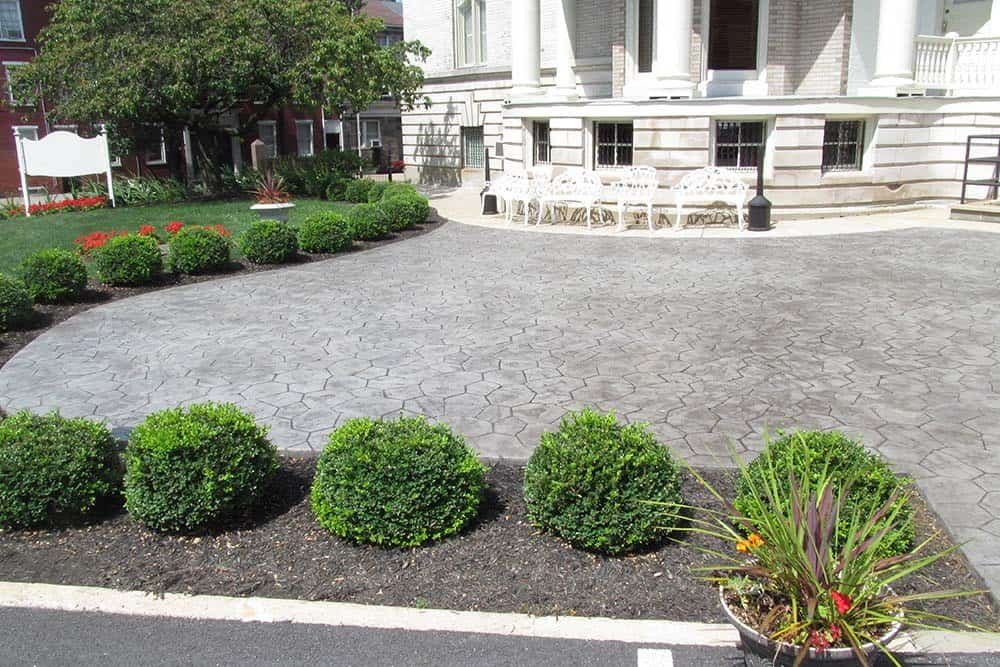
For decorative or stamped concrete, protection should continue until the surface is fully hardened and any sealers or curing compounds have been applied and dried, which might extend protection time to 48-72 hours.
What Are The Signs Of Rain Damage On Fresh Concrete?
Recognizing rain damage early helps you decide whether the concrete needs repair or replacement. The most obvious sign is surface pitting or pockmarks where raindrops hit the soft concrete. These appear as small craters across the surface.
Whitish or grayish discoloration on the surface suggests that cement paste was washed away or diluted by rain. This “washed out” appearance means the surface layer is weaker than it should be and more prone to dusting and scaling.
An uneven or blotchy finish, especially on decorative concrete, indicates that rain interfered with the finishing process. You might see areas where the aggregate is more exposed or where the texture is inconsistent.
Scaling, where thin layers of the surface flake off, may not be immediately visible but typically appears within the first few months after the pour.
Can Rain-Damaged Concrete Be Repaired?
The repair options depend on the severity and type of damage. Minor surface pitting on utility concrete often doesn’t require repair since it doesn’t affect structural integrity.
Surface grinding can remove minor imperfections and create a uniform appearance. Resurfacing with a thin overlay or concrete topping can hide more extensive surface damage.
For severe damage where concrete strength is compromised, replacement may be the only option.
How Can I Check The Weather Before Pouring?
Check the forecast at least 3-5 days before your scheduled pour date. Look not just at the day of the pour, but at the 48 hours following it.
Modern weather apps provide hour-by-hour forecasts. Even a 30-40% chance of rain should make you reconsider your schedule. Radar apps that show real-time precipitation movement can be invaluable on a rainy day.
Consider having a backup date scheduled with your concrete supplier. Most suppliers will work with you to reschedule if conditions aren’t favorable.
What’s The Best Time Of Year To Pour Concrete?
Spring and fall typically offer the most predictable weather conditions for concrete work. Temperatures are moderate, and rainfall patterns tend to be more predictable than summer thunderstorms.
Summer pours work wel,l but high temperatures cause concrete to set very quickly. Winter pours require additional precautions, and the worst time to pour is during your region’s rainy season.
Does Concrete Need To Stay Dry During Curing?
While you need to protect fresh concrete from rain during those critical first 24-48 hours, concrete actually needs moisture to cure properly over the long term. The chemical reaction that makes concrete harden requires water to continue for weeks after the initial pour.
The key difference is controlled moisture versus uncontrolled rain. During the first day or two, rain can damage the surface. But after that initial period, keeping concrete moist is actually beneficial.
The ideal curing process involves protecting concrete from rain for the first 24-48 hours, then keeping it continuously moist for at least 7 days. Proper moisture curing can increase concrete strength by up to 50%.
Assemble Your Rain Protection Kit
Before your next concrete pour, assemble a rain protection kit that includes enough plastic sheeting to cover your entire project area plus extra materials to create support frames, and weights to secure the covers. Check the extended weather forecast at least five days ahead and don’t hesitate to reschedule if there’s more than a 30% chance of rain during the critical first 24 hours. Having your protection strategy and materials ready before the concrete truck arrives is the difference between a successful pour and a costly mistake.